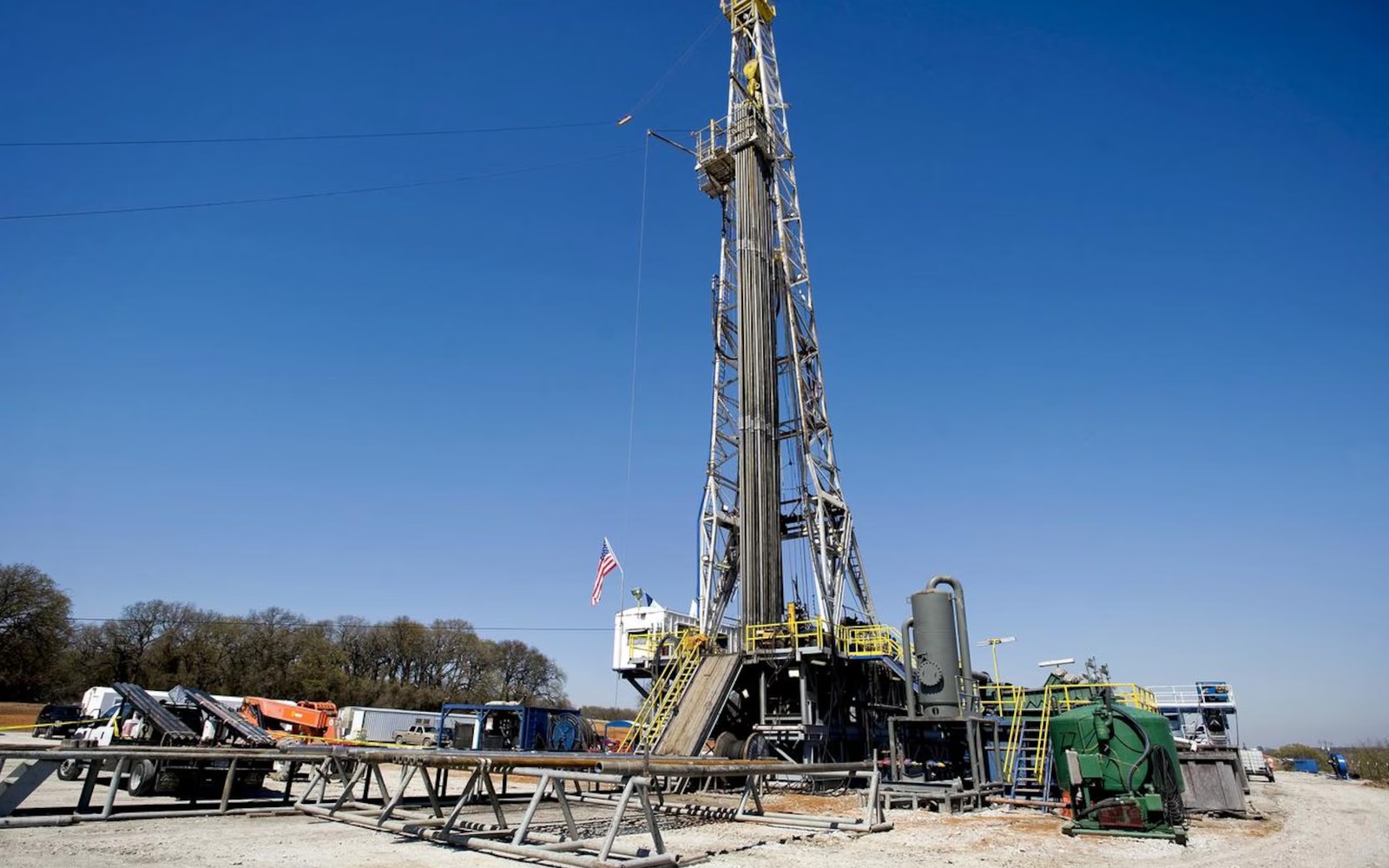
Delaware Basin Mineral Rights
The tract desk walks through how Delaware Basin mineral rights in Reeves, Loving, and Ward counties get underwritten before an offer goes out.
The Barnett is the play that started the shale revolution, and it's also the one where the tract desk has to be most honest with owners about where their wells sit on the decline curve.
The Barnett Shale sits under the Fort Worth Basin, spread across Tarrant, Johnson, Parker, Wise, and a handful of surrounding counties. It's the oldest of the major Texas shale plays, with the bulk of its drilling done well over a decade ago, which means almost every Barnett owner the tract desk talks to has real production history rather than a projection.
That maturity cuts both ways for underwriting. On one hand, the tract desk does not have to guess at decline rates because it has got years of check data to work from directly. On the other hand, most Barnett wells are firmly into their long, low-slope tail production, and very little new drilling has happened in the play in recent years, so the tract desk is not pricing in near-term development upside the way it would in an active oil play.
For a Barnett tract, the single most useful document an owner can hand the tract desk is two to three years of royalty statements. Because these wells are so far along their decline curve, the trend in that check history is a strong predictor of what the next several years look like, more reliable than it would be on a newer well still in its steep early decline.
The tract desk looks at whether the decline has flattened into the long tail typical of mature Barnett production or whether there's still a meaningful slope, since that changes how many years of remaining value it is underwriting.
A meaningful chunk of Barnett production sits under populated parts of Tarrant and surrounding counties, including areas close to the Dallas-Fort Worth metro. That urban footprint sometimes affects future drilling more than rural acreage would, since setback ordinances and surface access can be more complicated in developed areas.
For minerals under undeveloped or lightly developed sections in that urban footprint, the tract desk weigh those local drilling constraints alongside the broader question of whether operators have any current appetite for additional Barnett development at all.
It's common for a Barnett owner to hear about Permian or Eagle Ford pricing from a neighbor or relative and wonder why their own minerals seem to get a more modest offer. The honest answer is that a mature gas play with no active drilling program prices differently than acreage under active multi-well development in a growing oil play, and comparing the two directly isn't a fair read of either one.
What the tract desk can offer is a clear-eyed number based on your actual production trend and current natural gas pricing, which for a lot of long-time Barnett owners is a more useful conversation than chasing a comparison to a different basin.
A number of older Barnett wells were completed and produced under commingling arrangements with shallower conventional zones or across multiple leases, which can complicate the accounting an owner sees on a division order versus what's actually reflected in a check. When the tract desk pulls the well file on a Barnett tract, it checks for that history specifically, since it changes how it reads the reported production numbers against your stated decimal interest.
Getting that commingling picture right matters more on a mature play like this one than it does on a newer well with a clean, single-zone completion, because small accounting discrepancies compound over more than a decade of production history.
Texas owner file
Resolve these owner questions before a Texas mineral purchase is reduced to a single dollars-per-acre number.
Yes, existing production still generates royalty income for years into its decline, and that's what the tract desk underwrites. Without new drilling, the tract desk is pricing the remaining tail of current wells rather than future development upside.
The Barnett is a mature gas play with limited new drilling, while the Permian has active multi-well oil development. Those are fundamentally different risk and growth profiles, so the underwriting produces different numbers.
Two to three years of check detail is ideal since it shows the tract desk the actual decline trend on your specific wells, which is the most reliable input it has for mature Barnett production.
It can, mainly around whether future drilling is realistic given local ordinances and surface access in developed areas. For already-producing minerals, current production matters more than future drilling potential.
Commingling means production from more than one zone or lease was measured and sold together rather than separately. Older Barnett wells sometimes carry this history, and the tract desk checks for it because it affects how reported volumes line up with your specific decimal interest.
Texas tract board
The same county record, lease position, and production history carry into these Texas property checks.
The tract desk walks through how Delaware Basin mineral rights in Reeves, Loving, and Ward counties get underwritten before an offer goes out.
How the tract desk underwrites Eagle Ford Shale mineral rights across the oil, condensate, and dry gas windows in Karnes, DeWitt, La Salle, and McMullen counties.
The tract desk explains how Haynesville Shale mineral rights in Panola, Harrison, and Shelby counties get underwritten against gas price cycles.
Buy Mineral Rights Texas
Send the county, property description, producing status, operator or well name, and the documents already available.
Notifications