Sell Mineral Rights in Loving County, TX
We buy Loving County mineral and royalty interests in the core Permian Delaware Basin, underwritten against dense modern horizontal development.
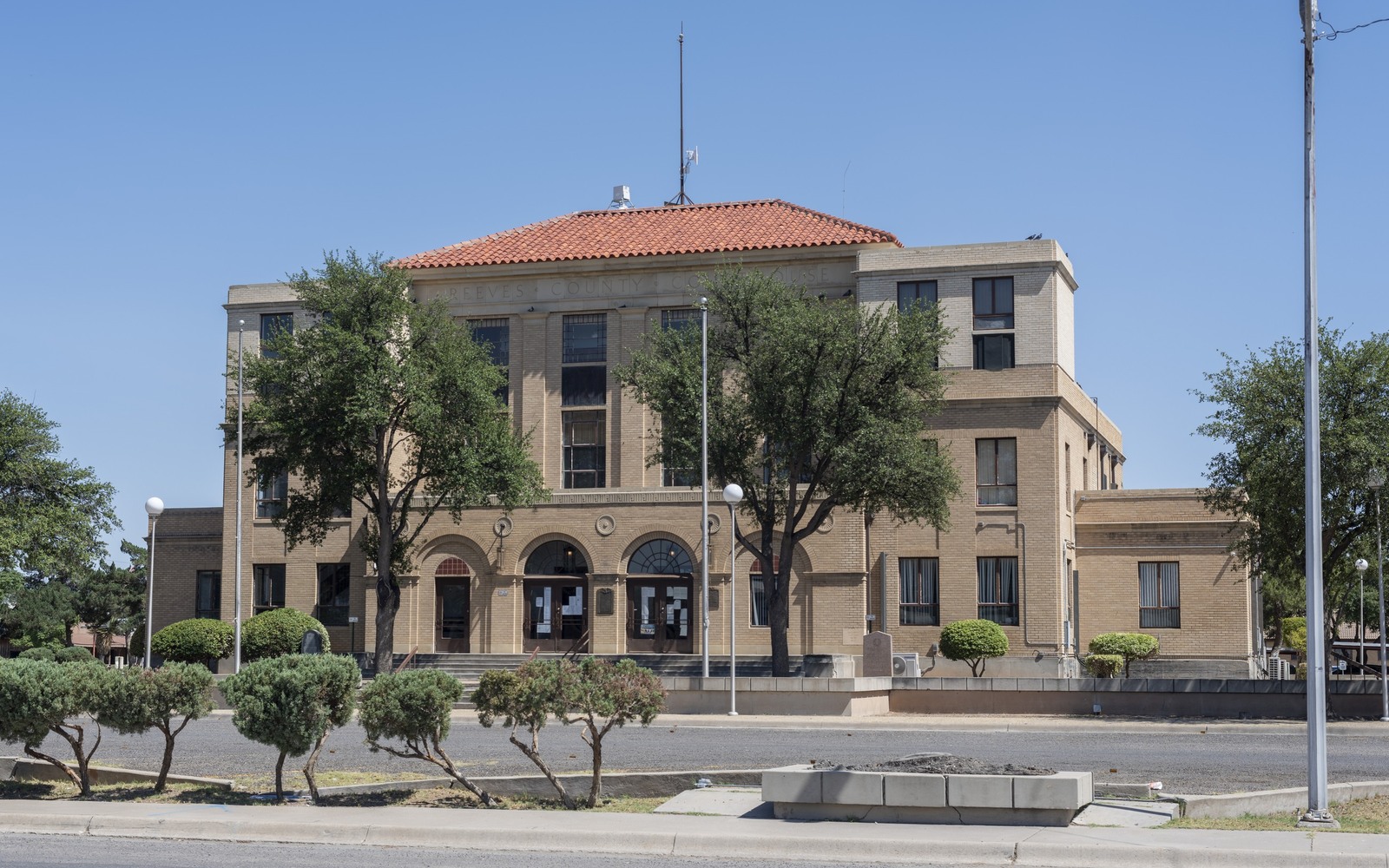
Reeves County, led by Pecos, has become one of the most heavily drilled counties in the entire Permian Basin over the last decade, with dense horizontal development across multiple Wolfcamp and Bone Spring benches.
The tract desk has underwritten a lot of Reeves County interests, and it's a county where the underwriting has to be careful precisely because there's so much happening -- multiple operators, multiple productive zones, and a pace of permitting that shifts noticeably with commodity prices. A generic countywide number doesn't do justice to what's actually happening on any specific tract here.
Whether your interest is under an actively producing well, a recently permitted unit, or ground that hasn't seen a rig yet, the tract desk wants you to understand exactly how it builds the offer before you decide anything.
This county is known for having multiple economically productive zones stacked under a single section -- several Wolfcamp benches plus Bone Spring intervals in many areas. That means the value of a Reeves County interest often isn't fully captured by looking at just the well currently producing on your tract; there can be real remaining value in zones that haven't been touched yet.
The tract desk checks Railroad Commission completion records to see exactly which zones have been developed nearby and which remain open, then weigh the likelihood of future development in those undeveloped zones based on recent permitting trends in your specific area. This is the single biggest driver of why two seemingly similar Reeves County tracts can get meaningfully different offers.
Because this county has been drilled so intensively, the tract desk usually have a deep set of comparable wells to check any specific well against. If your statement history looks unusual compared to nearby analogs, the tract desk dig into why before finalizing a number, rather than pricing off your statements in isolation.
Reeves County activity has moved in real cycles with oil prices -- periods of intense permitting followed by quieter stretches when operators redirect capital elsewhere in their portfolios. The tract desk checks current permit filings on offset sections as part of every underwriting pass, since that tells it far more about near-term prospects than an old lease sitting quietly on the books.
This is also a county where operator identity matters somewhat -- larger, better-capitalized operators tend to sustain more consistent development pace through price cycles than smaller ones. The tract desk factors in who's actually operating near your tract, not only whether a permit exists.
A meaningful amount of Reeves County mineral ownership traces to ranch families who've held their minerals for generations, sometimes with title that's run through several probates without ever getting fully cleaned up on paper. The tract desk runs the chain of title directly at the county clerk's office rather than asking you to front the cost of a landman before we've even discussed a number.
The tract desk also regularly works with owners who hold small fractional interests as part of a larger family group. The tract desk can quote and close on an individual share without requiring every co-owner to participate, though it is happy to coordinate a group sale if that's what the family prefers.
A copy of your deed or most recent division order, plus a few months of royalty statements if you have production. That's enough for the tract desk to start pulling Railroad Commission and county records and build a real, well-supported offer.
Given how much title and unit activity this county sees, the tract desk budget a bit more time for confirmation here than in quieter counties -- typically four to six weeks from a signed offer to closing, though it can move faster if your title is already clean.
Texas owner file
Resolve these owner questions before a Texas mineral purchase is reduced to a single dollars-per-acre number.
Because this county genuinely has multiple economically productive zones under much of its acreage. Pricing only off what's currently producing can meaningfully undersell an interest that has real remaining value in undeveloped benches, so the tract desk checks completion records on every zone before quoting.
Development pace here shifts with oil prices more visibly than in some other Permian counties, given how much capital-intensive multi-zone drilling happens. The tract desk checks current permits near your specific tract rather than relying on a general sense of county activity.
It can. Larger, better-capitalized operators have generally sustained more consistent development through price cycles. The tract desk checks who's actually permitting and completing wells near your acreage as part of underwriting.
The tract desk model the remaining value from your actual decline curve, and it also check whether additional zones under your tract remain undeveloped, since that can add real value beyond what the current well alone suggests.
Usually four to six weeks from a signed offer, a bit longer than quieter counties given how much title and unit activity this county sees, though a clean title chain can move faster.
Texas tract board
The same county record, lease position, and production history carry into these Texas property checks.
We buy Loving County mineral and royalty interests in the core Permian Delaware Basin, underwritten against dense modern horizontal development.
Howard County spans Big Spring and the northern Midland Basin core. The tract desk underwrites mineral interests here against real horizontal and legacy vertical production.
Glasscock County is one of the most densely drilled Wolfcamp counties in Texas. Here's how the tract desk underwrites mineral and royalty interests here, bench by bench.
Buy Mineral Rights Texas
Send the county, property description, producing status, operator or well name, and the documents already available.
Notifications