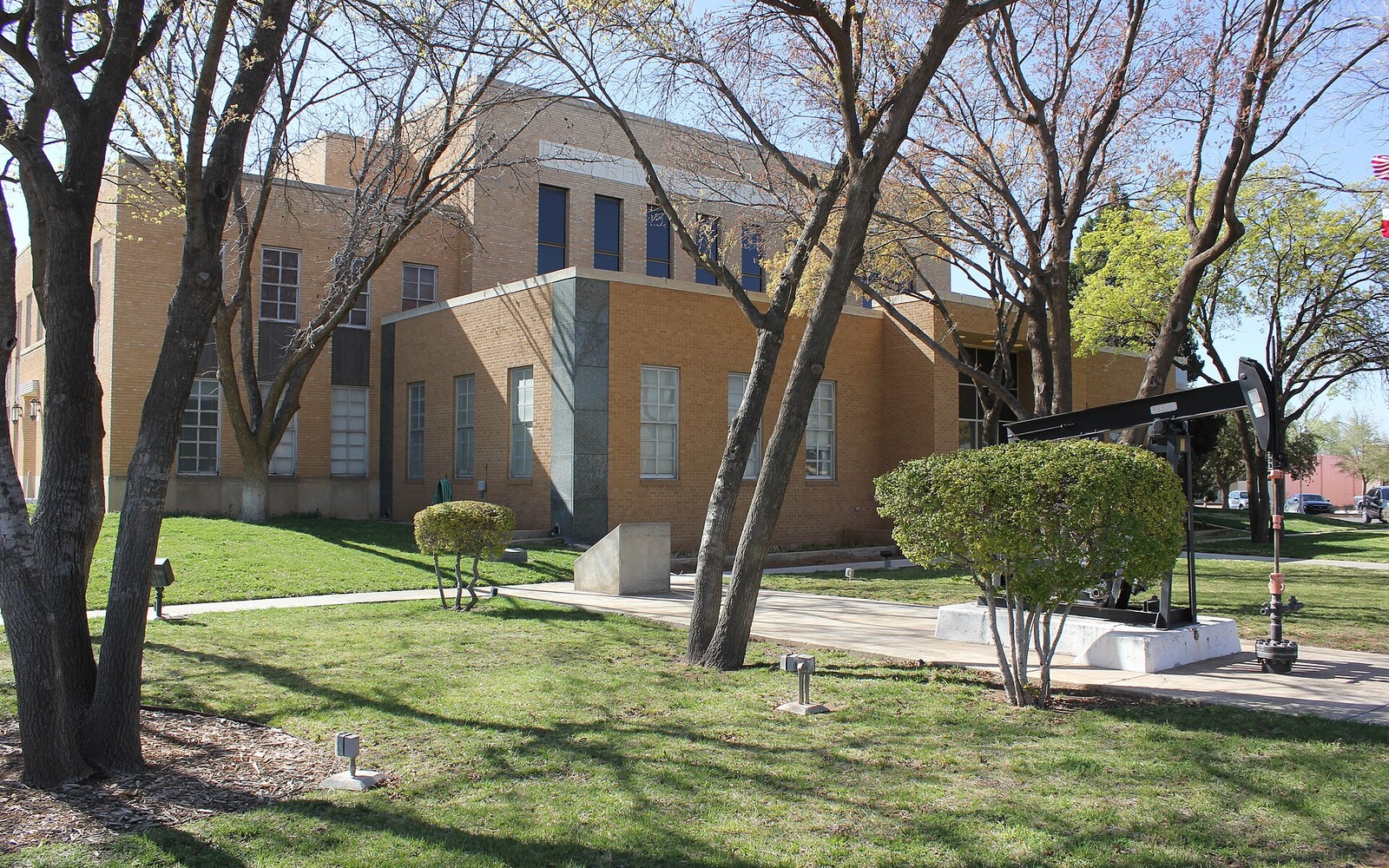
Sell Mineral Rights in Ector County, TX
Ector County, home to Odessa, sits over dense multi-bench Permian development. The tract desk underwrites tracts here well by well, unit by unit.
Andrews County sits in the Midland Basin's stacked-pay core, and that changes how a tract there gets priced compared to flank acreage two counties over.
The tract desk spent years on the operations side before it started buying minerals full time, and Andrews County was one of the first places it learned that 'Permian' isn't one number. You've got the Spraberry sands up high, several Wolfcamp benches underneath, and in places the Dean and Clearfork stacked in between. A buyer isn't pricing a formation, we're pricing whichever bench operators are actually completing under your specific tract, and that's a courthouse-and-well-file question, not a map question.
Here's how the tract desk underwrites an Andrews County interest, so you're not negotiating against a number you can't see the math behind.
Fasken Oil and Ranch has held large blocks of both surface and minerals around Andrews for decades, and their development pace over time set a lot of the drilling rhythm in the county alongside operators like Diamondback and the legacy Pioneer acreage that's now part of ExxonMobil's position. What that means for a small interest owner is simple: your section may sit next to a unit that's been developed in two or three separate phases over ten-plus years, each phase targeting a different bench. The tract desk pulls the well file for every producing and permitted well within a mile of your tract before it put a number on paper, because a section with three completed benches and one still untested prices very differently from full-field development.
County-seat Andrews has the records the tract desk needs at the courthouse, but a lot of the older Andrews County paper still runs through 1970s and '80s units that got amended when horizontal development arrived. If your minerals trace back to an original allotment or an heir share, the tract desk is checking whether the pooling clause in the old lease actually covers the newer bench being drilled, because sometimes it doesn't, and that's a real conversation, not fine print.
A single horizontal well in the Wolfcamp A or B declines steeply in year one, levels off, and keeps producing at a low rate for a long time. If your check has been dropping fast the last twelve months, that's often normal decline, not a sign the well is done. What the tract desk wants to see is the full production history, not only the last statement, because a tract where operators have already drilled two benches and left one untested has more remaining value than a tract that's been fully developed across all zones. The tract desk will ask for your last several 1099s or check stubs and cross-reference them against the state production records, which is a lot faster than most owners expect.
Offset activity within the last 18-24 months matters more than what happened five years ago. If a nearby operator just filed a permit or spud a well on the same bench under your acreage, that's live information, and it should move a quoted number up, not down.
The most common delay the tract desk sees on Andrews County deals is a tract that's been split across multiple heirs since the original owner passed, with no formal probate filed. Texas mineral title doesn't clean itself up over time, it usually gets messier, so if your family has fractional shares from a grandparent's or great-grandparent's original interest, expect a title search before any check moves. The tract desk uses a landman on Andrews County work specifically because the pooling and unitization history there is layered enough that a generic title check misses things.
If your interest is unleased, that's actually a simpler transaction in some ways, since there's no existing lease terms to reconcile against a new operator's unit. If it's leased and producing, the tract desk wants a copy of the lease itself, not only the division order, because royalty percentage, pooling authority, and any Pugh clause language all change what it can offer.
If you're weighing a full sale against holding, the honest tradeoff is this: you give up the upside on whatever bench hasn't been drilled yet in exchange for certainty today. In a county like Andrews where full-field development is still working through multiple zones over a period of years, that upside can be real, but it's also years out and tied to commodity price, drilling capital, and whatever operator holds the acreage staying active. A partial sale, where you keep a portion of the interest, is worth asking about if you want some of both. There's no single right answer, it depends on your own timeline and whether you'd rather manage a royalty statement or have the number in hand now.
Texas owner file
Resolve these owner questions before a Texas mineral purchase is reduced to a single dollars-per-acre number.
We pull well files and permits within a mile of your tract, check which Wolfcamp or Spraberry bench is producing or permitted, look at your recent royalty history if you have it, and price against that, not a countywide average.
Often yes, especially in an active development area like Andrews County. Small fractional interests are common here and we buy them regularly, though title work usually takes longer if there's no probate on file.
Undeveloped minerals in Andrews County still carry value given the surrounding development pace, but the number reflects that it's a bet on future drilling rather than current cash flow, so it's priced with more of a discount than a producing tract.
Not before an initial conversation, but before closing we recommend you have someone review the purchase agreement, especially if there are multiple heirs involved. We can walk you through what a title search on our side typically finds in this county.
If title is clean and there's an existing division order, three to five weeks is typical. Tracts needing a probate or heirship affidavit take longer, sometimes two to three months.
Texas tract board
The same county record, lease position, and production history carry into these Texas property checks.
Ector County, home to Odessa, sits over dense multi-bench Permian development. The tract desk underwrites tracts here well by well, unit by unit.
Ward County minerals sit in the Delaware Basin around Monahans and Wickett. The tract desk underwrites by well and unit, walk you through the number, and buy direct.
We buy mineral and royalty interests across Pecos County, TX. See how Wolfcamp and Bone Spring development in the Delaware Basin gets underwritten before an offer.
Buy Mineral Rights Texas
Send the county, property description, producing status, operator or well name, and the documents already available.
Notifications