Sell Mineral Rights in Argyle, TX
Underwriting Barnett Shale minerals near Argyle in Denton County, where dense early development left a long production tail across most units.
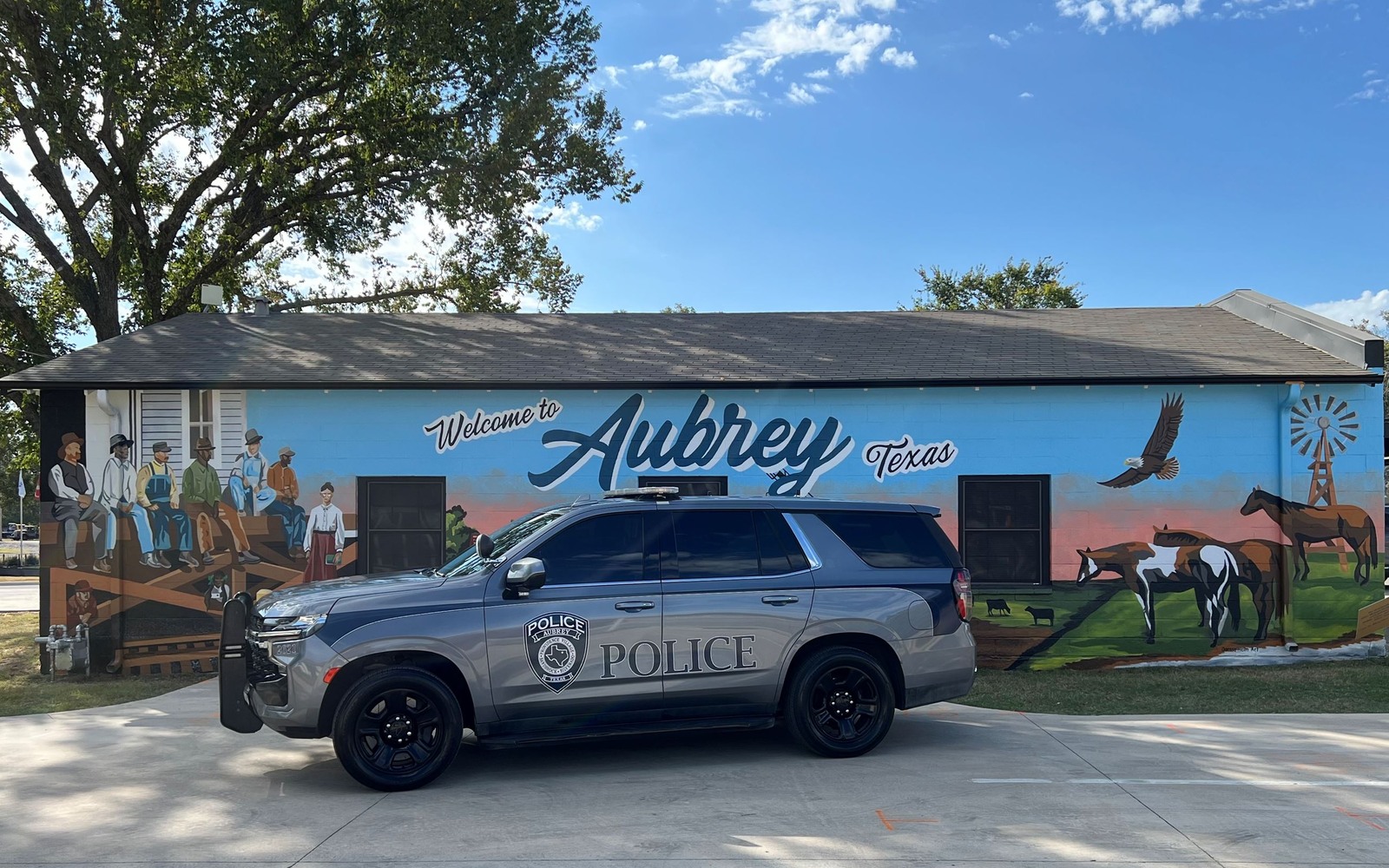
Aubrey has grown faster than almost anywhere else in Denton County over the last decade, and a lot of that new development sits directly over older Barnett gas production.
New subdivisions in Aubrey have gone up over land that was leased and often drilled during the mid-2000s Barnett wave, well before the current growth. If your family retained mineral rights when the surface land changed hands, that interest is still yours, and it's worth understanding what's actually producing beneath the development that's changed the town's skyline.
Severed mineral interests are common around Aubrey, meaning the surface has been sold and developed while the minerals stayed with the original family or a later buyer. The tract desk checks your deed history to confirm exactly what you hold before valuing anything, since surface ownership and mineral ownership are two separate questions here.
Most wells in this part of Denton County are well into their production tail at this point, generating steady but modest income rather than the volumes seen during the original boom. The tract desk prices against your actual recent statements rather than the play's historical peak numbers.
Every review begins with the county record, legal description, ownership fraction, lease position, producing status, wells, units, and paid decimal. Surface location can help find a tract, but it does not prove the mineral interest or participation in nearby development.
Formation, field, well vintages, spacing, operator acreage, offsets, permits, and development pace around a subject tract belong in separate evidence lanes. The property's own history carries more weight than activity that does not include the acreage.
Statements, division orders, unit records, volumes, prices, taxes, deductions, downtime, adjustments, burdens, and decimal changes should reconcile before current revenue or remaining production is projected for the tract.
The written purchase file should identify the right conveyed, county, legal description, fractions or acres, depths, products, wells, units, reservations, effective date, receivables, title standard, adjustment rights, funding, and recording sequence.
Texas owner file
Resolve these owner questions before a Texas mineral purchase is reduced to a single dollars-per-acre number.
Possibly, if minerals were reserved when the land was sold, which is common practice around Aubrey. We check your deed history to confirm before discussing value.
New drilling has slowed as development has filled in available land, so most current production comes from wells drilled during the original Barnett boom.
We build a decline projection from your actual statement history and compare it against current gas pricing, which tends to give a more accurate number than a general estimate.
Start with whatever you have, a deed, an old lease, or a royalty statement. If you're not sure what you hold, we can help trace your ownership through county records.
Yes, we buy leased and unleased minerals alike. An active lease with production simply gives us a clearer income history to underwrite against.
Typically three to five weeks from agreed number to closing when title is straightforward, a bit longer if a probate or heirship affidavit is needed first.
Texas tract board
The same county record, lease position, and production history carry into these Texas property checks.
Underwriting Barnett Shale minerals near Argyle in Denton County, where dense early development left a long production tail across most units.
Northlake sits in Denton County, part of the Barnett Shale core now covered by rapid corporate campus growth. We buy mineral interests directly.
Mineral Wells sits in Parker County over mature Barnett Shale gas. We buy mineral and royalty interests directly and underwrite off actual well performance.
Buy Mineral Rights Texas
Send the county, property description, producing status, operator or well name, and the documents already available.
Notifications