Sell Mineral Rights in Annetta North, TX
How Barnett Shale minerals in Annetta North, TX get underwritten when residential growth has moved in over older gas production.
Ward County has a long oil history stretching back to conventional drilling decades before the Delaware Basin horizontal boom reached Barstow.
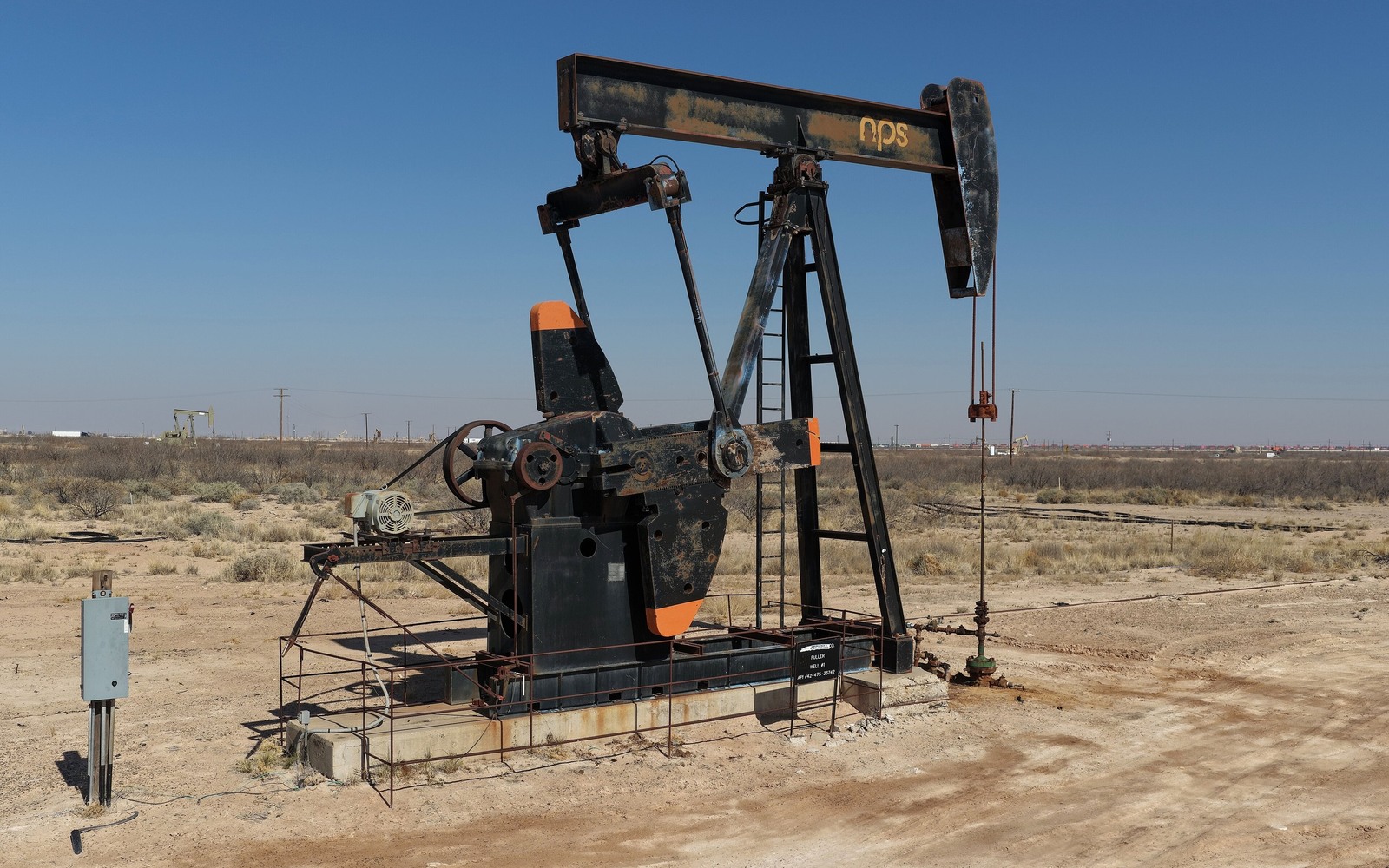
This part of Ward County sits along the Pecos River, with old vertical production scattered across the area long before operators started drilling deeper Wolfcamp and Bone Spring horizontals in more recent years. When the tract desk underwrites a tract near Barstow, it checks both layers of history, the shallow legacy wells and whatever modern horizontal development sits nearby, since they price very differently.
A lot of Ward County acreage has old, shallow vertical wells that have been producing at low, steady rates for decades. Underneath that same ground, a modern operator may hold rights to drill a much deeper horizontal well, and those are effectively separate valuation questions even on the same tract.
Current operator of record, recent permit activity nearby, and your actual statement history all factor in. Ward County has seen enough turnover in operators over the decades that confirming who currently holds the lease is a standard first step.
Some leases here date back to the mid-20th century, amended multiple times as new zones were developed. The tract desk pulls the full history rather than relying on a recent division order alone, since older pooling language sometimes doesn't automatically extend to a new horizontal unit.
Every review begins with the county record, legal description, ownership fraction, lease position, producing status, wells, units, and paid decimal. Surface location can help find a tract, but it does not prove the mineral interest or participation in nearby development.
Formation, field, well vintages, spacing, operator acreage, offsets, permits, and development pace around a subject tract belong in separate evidence lanes. The property's own history carries more weight than activity that does not include the acreage.
Statements, division orders, unit records, volumes, prices, taxes, deductions, downtime, adjustments, burdens, and decimal changes should reconcile before current revenue or remaining production is projected for the tract.
The written purchase file should identify the right conveyed, county, legal description, fractions or acres, depths, products, wells, units, reservations, effective date, receivables, title standard, adjustment rights, funding, and recording sequence.
Texas owner file
Resolve these owner questions before a Texas mineral purchase is reduced to a single dollars-per-acre number.
Yes, they're priced differently than a modern horizontal, but steady legacy production still has real value, especially if there's deeper horizontal potential beneath it.
We check recent permits and completions nearby for the deeper Wolfcamp and Bone Spring zones, which tells us whether operators are actively pursuing that potential in your area.
It can, mainly around whether older pooling language covers newer horizontal units. We review the full lease history to confirm before quoting a number.
Three to five weeks with clean title and a current division order. Older instruments with amendment history sometimes add time to confirm the full chain.
Yes, a steady flat-producing interest still has value. We just price it against its actual current output rather than assuming imminent new drilling.
Texas tract board
The same county record, lease position, and production history carry into these Texas property checks.
How Barnett Shale minerals in Annetta North, TX get underwritten when residential growth has moved in over older gas production.
Underwriting minerals near Bonanza Hills in Webb County, where legacy oil-field history sits alongside modern Eagle Ford gas-condensate wells.
We buy Eagle Ford mineral and royalty interests around Karnes City, the Karnes County seat, underwritten well-by-well against real production.
Buy Mineral Rights Texas
Send the county, property description, producing status, operator or well name, and the documents already available.
Notifications