Sell Mineral Rights in Catarina, TX
Underwriting Eagle Ford minerals near Catarina, TX, a historic Dimmit County community with a mix of legacy ranching land and modern wells.
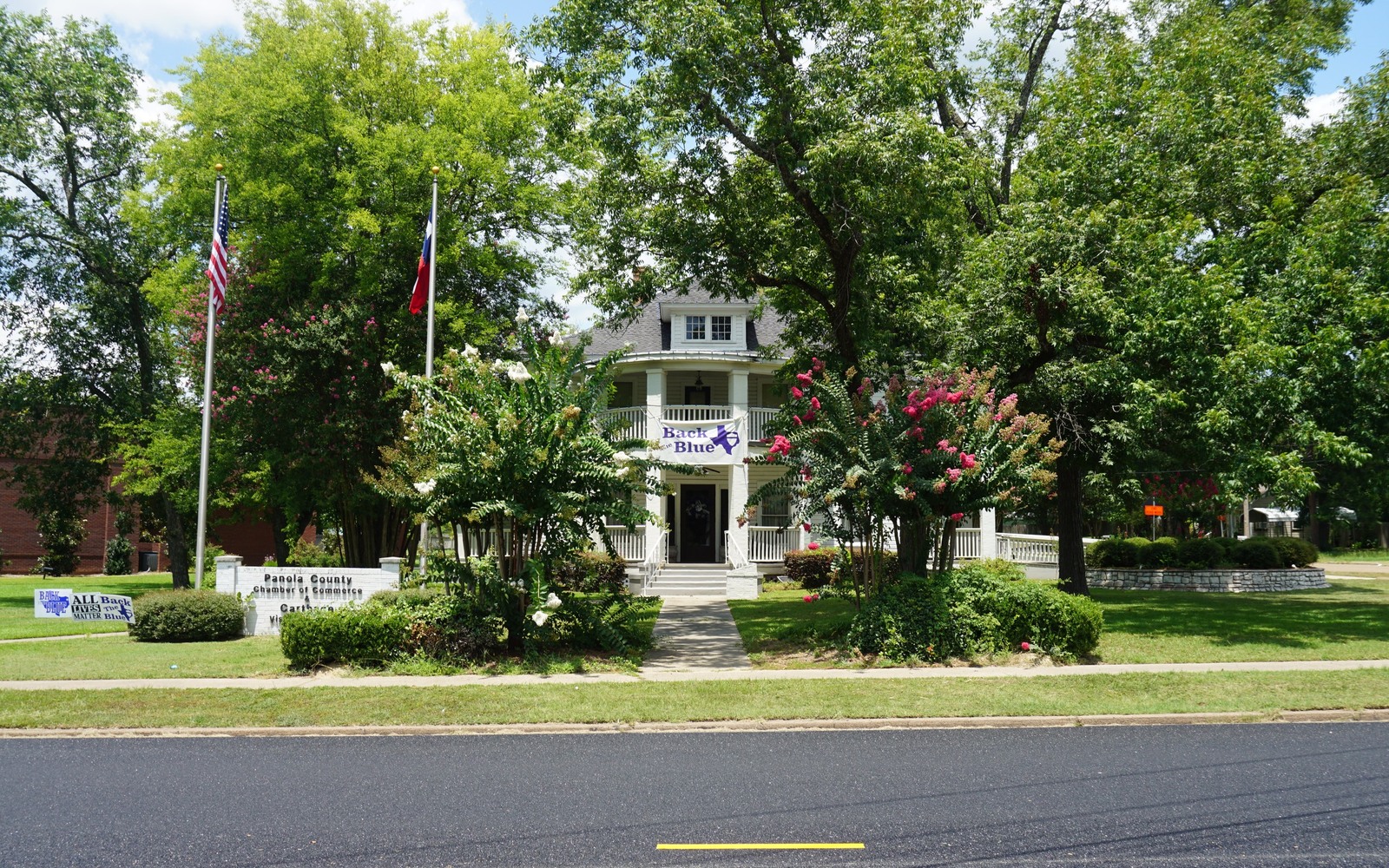
As the Panola County seat, Carthage puts the tract desk right at the source for deed and unit records in one of the strongest parts of the Texas Haynesville trend.
Panola County has drawn heavy operator interest for years, and Carthage sits at the middle of it, both geographically and in terms of records access. When someone calls about minerals here, the tract desk can usually move through the courthouse research faster than in more remote parts of East Texas, though the underwriting itself still requires the same careful read of production history and lease terms.
This is some of the best Haynesville rock in Texas, which has kept Comstock, Aethon, and other operators active here even through periods when the play slowed elsewhere. Being able to pull deed and unit history locally speeds up the tract desk's side of the process considerably.
The recent LNG-driven demand cycle has brought renewed permitting to areas around Carthage that had gone quieter for a while, so the tract desk always check current activity even on tracts that haven't seen news in some time.
Haynesville wells here typically come on strong and decline steeply before settling into a long, lower tail. The tract desk wants your full statement history to see exactly where a well sits on that curve before pricing anything.
Even with courthouse records close at hand, East Texas mineral title is often split across many heirs going back generations. The tract desk budget for that reality upfront so it doesn't slow down a deal unexpectedly.
Every review begins with the county record, legal description, ownership fraction, lease position, producing status, wells, units, and paid decimal. Surface location can help find a tract, but it does not prove the mineral interest or participation in nearby development.
Formation, field, well vintages, spacing, operator acreage, offsets, permits, and development pace around a subject tract belong in separate evidence lanes. The property's own history carries more weight than activity that does not include the acreage.
Statements, division orders, unit records, volumes, prices, taxes, deductions, downtime, adjustments, burdens, and decimal changes should reconcile before current revenue or remaining production is projected for the tract.
The written purchase file should identify the right conveyed, county, legal description, fractions or acres, depths, products, wells, units, reservations, effective date, receivables, title standard, adjustment rights, funding, and recording sequence.
Texas owner file
Resolve these owner questions before a Texas mineral purchase is reduced to a single dollars-per-acre number.
It speeds up the title research portion, since records are all in one place, but the underwriting standards are the same as anywhere else in Panola County.
Yes, it's consistently one of the most active parts of the play in Texas, especially with LNG-driven demand supporting recent permitting.
That's typical Haynesville behavior. High-pressure wells often produce at strong initial rates before settling into a longer, lower tail, which we account for in the valuation.
Yes, we regularly work with heavily divided East Texas interests and can buy an individual owner's share without the rest of the family needing to participate.
Texas tract board
The same county record, lease position, and production history carry into these Texas property checks.
Underwriting Eagle Ford minerals near Catarina, TX, a historic Dimmit County community with a mix of legacy ranching land and modern wells.
How urban Barnett Shale minerals in Arlington get underwritten, from dense pad drilling to surface-access limits inside city limits.
Timpson sits in Shelby County's Haynesville gas trend. The tract desk pulls the actual well production before it quotes, then buy East Texas royalty interests direct.
Buy Mineral Rights Texas
Send the county, property description, producing status, operator or well name, and the documents already available.
Notifications