Sell Mineral Rights in Forest Hill, TX
Forest Hill sits in southeast Tarrant County over mature Barnett units. The tract desk confirms your decimal interest against real production before quoting.
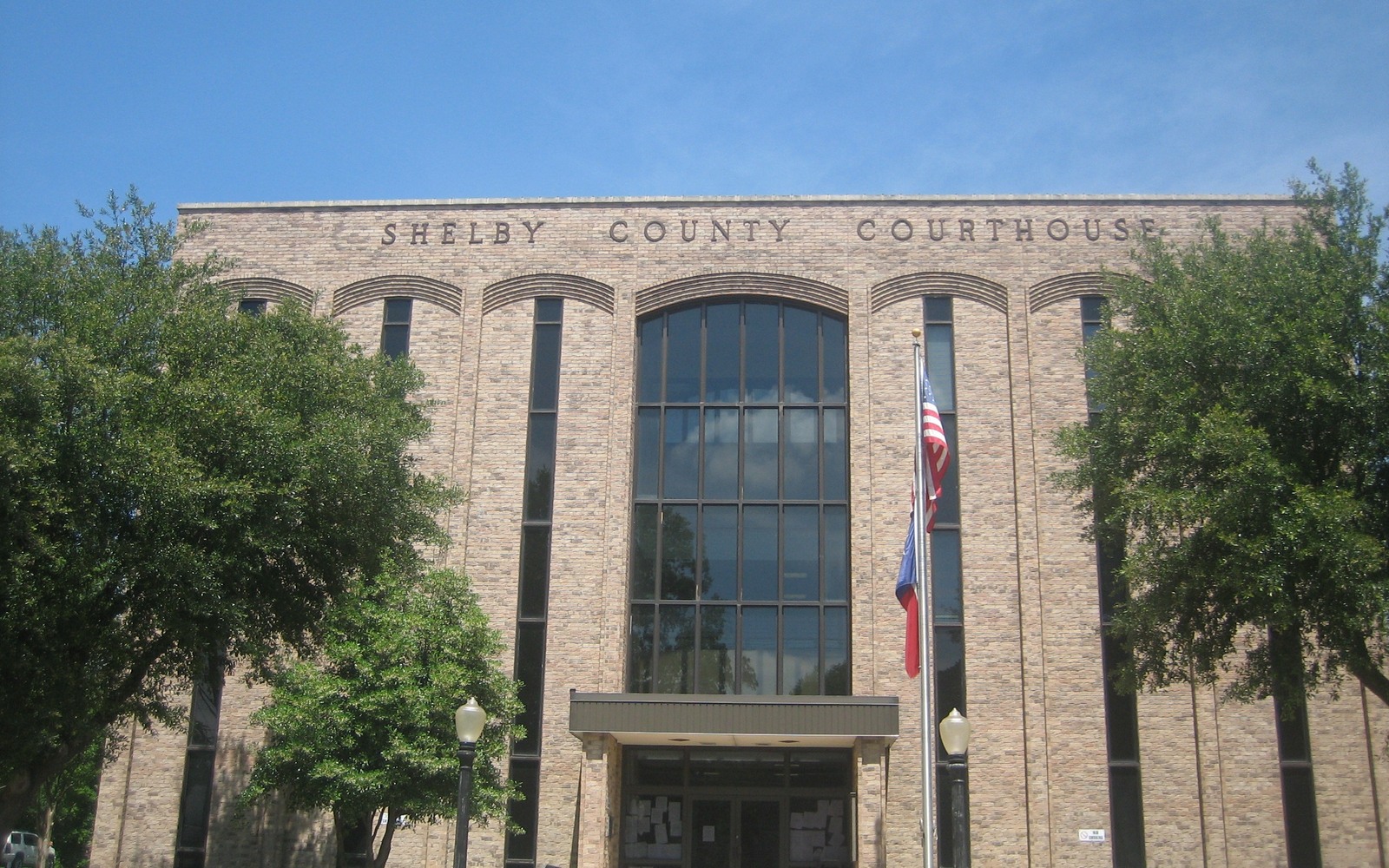
Shelby County sits over some of the deepest, highest-pressure gas in the Haynesville trend, and the offers landowners get here vary a lot depending on which unit their acreage falls in.
The tract desk spent years running completion programs on deep East Texas gas wells before it started buying mineral positions full time, and Shelby County was one of the counties where it learned how expensive and how variable Haynesville development really is. Center sits close to the Louisiana line, in timber and pasture country that got carved into drilling units starting around 2008, and the wells drilled here since have ranged from unremarkable to genuinely exceptional depending on pressure, landing zone, and lateral length.
If you inherited an interest from a family timber tract, or you picked up a fractional share when an older relative's estate split among several heirs, the value of what you're holding depends far more on which unit you're in than on the county name alone.
Haynesville wells in Shelby County run deep, often past 12,000 feet, with bottomhole pressures and temperatures that make every completion expensive. Operators active here have leaned toward pads with strong pressure and thick net pay, and skipped over or delayed acreage where the rock is thinner or the pressure regime is weaker. Two tracts a few miles apart can have very different well results because of that variation, which is why the tract desk asks for your unit and well information before quoting anything.
Gas price matters more here than in an oil play, because these wells produce almost entirely dry gas. When Henry Hub and Gulf Coast LNG demand are strong, operators accelerate permits in areas like this; when gas softens, activity slows and some units sit undrilled for a while. That cyclicality is part of what the tract desk weigh when it looks at a Shelby County tract.
The tract desk starts with your division order or a recent royalty check, pull the unit and well records from the Shelby County clerk and the Railroad Commission, and build a decline curve off actual production rather than a type curve pulled from a press release. From there the tract desk looks at offset permits and any pending unitization nearby, because a well permitted next door often tells it more about near-term value than anything already producing.
If your acreage is entirely undeveloped, the tract desk quotes it differently than a tract with an established well, and it says so plainly. Undeveloped Haynesville acreage in this county carries real optionality but also real uncertainty, and the tract desk would rather give you an honest range than a number that falls apart once we're under contract.
A lot of what the tract desk sees in this part of Shelby County traces back to family timber holdings that got split among children and grandchildren over a couple of generations. That means small fractional interests, sometimes a dozen or more heirs on one original tract, and title work that takes real time to sort through. If you're one of several cousins holding a slice of the same mineral estate, the tract desk can work with you individually or coordinate a group closing if the family prefers to sell together.
Some owners here also hold their minerals separately from the surface, having sold or leased the timber rights decades ago while keeping the minerals in the family. That split-estate history is common in East Texas and doesn't complicate a sale, it just means the tract desk confirms what you actually own before we talk numbers.
Texas owner file
Resolve these owner questions before a Texas mineral purchase is reduced to a single dollars-per-acre number.
Most Haynesville wells in this part of Shelby County run well past two miles deep, which makes them costly to drill and completion-sensitive. That depth and cost is part of why offers on undeveloped acreage tend to be more conservative than in shallower plays, though a tract sitting in a strong pressure zone can still be worth pursuing seriously.
Often yes, especially if the interest is producing and the royalty checks are small enough that tracking them isn't worth your time. The tract desk quotes fractional interests based on the actual decimal interest and unit production, not a flat per-acre number, so a small share in a strong unit can still be a meaningful check.
Yes, though the tract desk prices it more conservatively and explain why, since there's no production history to underwrite against. The tract desk looks at offset permits, nearby unit results, and how active operators have been in that specific area recently before putting a number on undeveloped ground.
A recent royalty statement or division order is the fastest starting point. If you don't have one, the tract desk can usually locate the well and unit information through the county clerk and Railroad Commission records directly and confirm ownership from there.
Texas tract board
The same county record, lease position, and production history carry into these Texas property checks.
Forest Hill sits in southeast Tarrant County over mature Barnett units. The tract desk confirms your decimal interest against real production before quoting.
Jourdanton is the Atascosa County seat, sitting in the Eagle Ford's oil window. The tract desk underwrites mineral interests here against real horizontal well data.
We buy Eagle Ford mineral and royalty interests in Las Pilas, Webb County, priced from real dry-gas well production and current pricing.
Buy Mineral Rights Texas
Send the county, property description, producing status, operator or well name, and the documents already available.
Notifications