Sell Mineral Rights in Runge, TX
Runge sits in Karnes County, the heart of the Eagle Ford oil window. The tract desk underwrites these interests off real decline data from one of the most productive counties in.
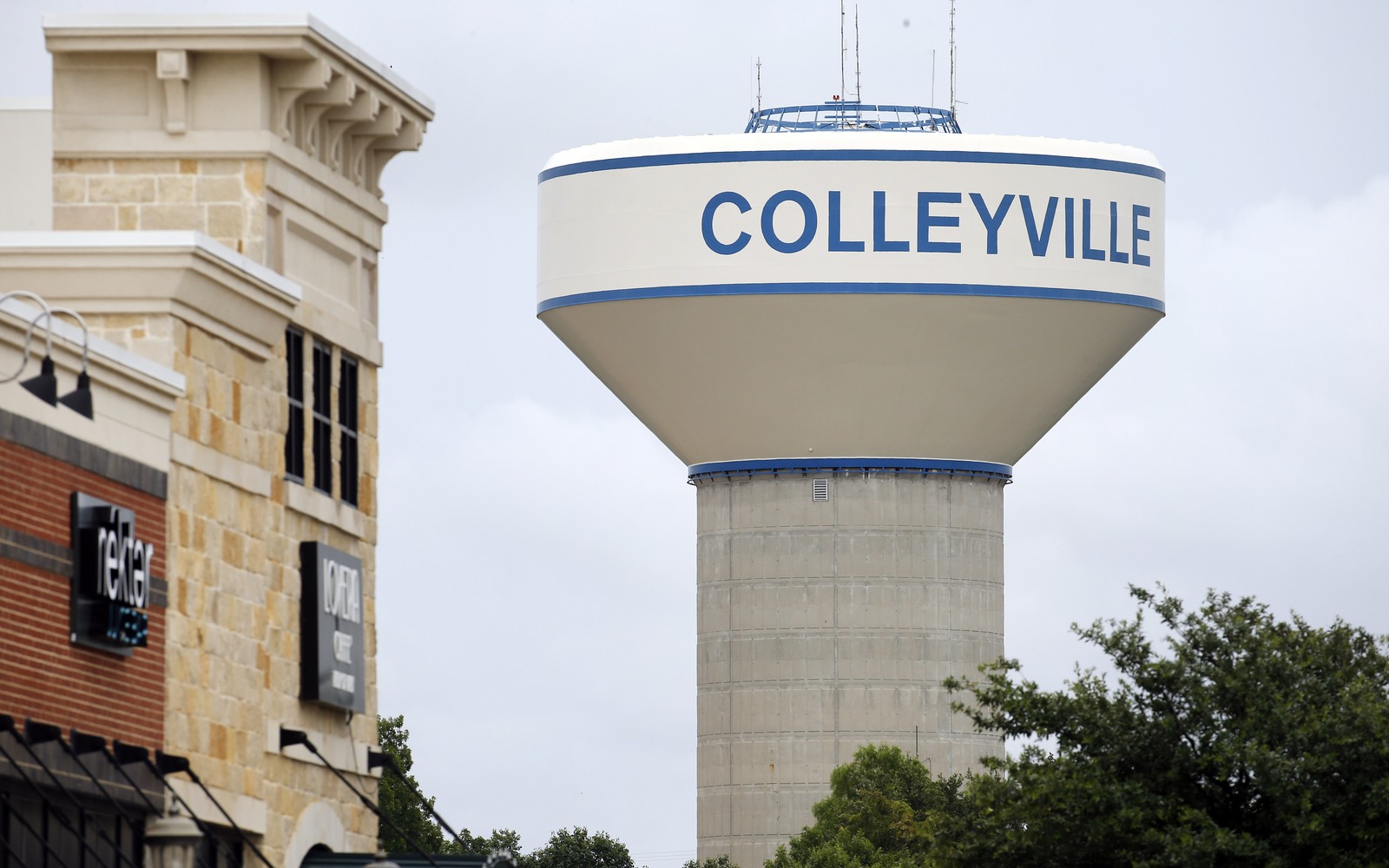
Colleyville sits in the Barnett Shale core in Tarrant County, where suburban development and gas drilling ended up sharing the same ground during the 2000s boom.
Tarrant County was the heart of the Barnett Shale, and Colleyville is one of the northeast Tarrant suburbs where operators pooled residential neighborhoods into drilling units to reach gas under land that was, or would soon become, subdivisions. If you own a mineral interest here, there's a decent chance it's tied to a large pooled unit rather than a single well under just your property.
The tract desk underwrites these suburban Tarrant County interests regularly, and the process starts the same way it always does: figuring out exactly which unit your decimal interest belongs to and what that unit has actually produced.
In a place like Colleyville, your mineral rights are often part of a large pooled unit combining many small parcels, sometimes an entire subdivision, into one production accounting. Your royalty is your decimal interest in that unit's total production, not tied to a single well drilled just on your lot. That's normal for urban Barnett development and doesn't diminish the value of what you own, it just changes how the tract desk calculate it.
The tract desk pulls the unit's total production and your specific decimal share from your division order, then build the offer off that combined number rather than treating your small parcel as a standalone well.
Tarrant County Barnett wells are almost all more than a decade old now, and most have settled into a long, slow decline. Gas prices swing your check amount month to month more than the underlying volume does at this point in the play's life, which is worth understanding before you look at a single statement and draw conclusions.
The tract desk looks at your trailing production trend over several months rather than one check, since that gives a much clearer read on where the well or unit actually stands.
A lot of Colleyville homeowners bought their property after the original mineral lease was already in place, or inherited a small interest without ever seeing the paperwork. That's common, and the tract desk can usually track down the unit and operator information through Tarrant County records and the Railroad Commission using your address or legal description alone.
If you have a division order or even an old royalty check, that speeds things up, but it's not required to get started.
Every review begins with the county record, legal description, ownership fraction, lease position, producing status, wells, units, and paid decimal. Surface location can help find a tract, but it does not prove the mineral interest or participation in nearby development.
Formation, field, well vintages, spacing, operator acreage, offsets, permits, and development pace around a subject tract belong in separate evidence lanes. The property's own history carries more weight than activity that does not include the acreage.
Statements, division orders, unit records, volumes, prices, taxes, deductions, downtime, adjustments, burdens, and decimal changes should reconcile before current revenue or remaining production is projected for the tract.
The written purchase file should identify the right conveyed, county, legal description, fractions or acres, depths, products, wells, units, reservations, effective date, receivables, title standard, adjustment rights, funding, and recording sequence.
Texas owner file
Resolve these owner questions before a Texas mineral purchase is reduced to a single dollars-per-acre number.
Yes. Pooled units are standard for suburban Tarrant County development, and the tract desk values your interest based on your actual decimal share of the unit's production, which can still add up to a meaningful offer even on a small residential lot.
Usually yes. The tract desk can typically identify your unit and operator through county records and the Railroad Commission using your property address or legal description, then confirm your decimal interest from there.
Most wells here are well past their steep early decline and into a long, gradual tail at this point. The tract desk looks at several months of production trend rather than a single check to get an accurate read before quoting.
Texas tract board
The same county record, lease position, and production history carry into these Texas property checks.
Runge sits in Karnes County, the heart of the Eagle Ford oil window. The tract desk underwrites these interests off real decline data from one of the most productive counties in.
Monahans sits in Ward County on the Delaware Basin's eastern edge. We buy mineral and royalty interests directly and underwrite off real offset well data.
How Anadarko Basin minerals near Canadian, TX in Hemphill County are underwritten, from decades of ranching-era leases to modern tight gas.
Buy Mineral Rights Texas
Send the county, property description, producing status, operator or well name, and the documents already available.
Notifications