Sell Mineral Rights in Hillside Acres, TX
Hillside Acres sits in Webb County within the Eagle Ford's productive footprint. The tract desk underwrites mineral interests here against real offset well data.
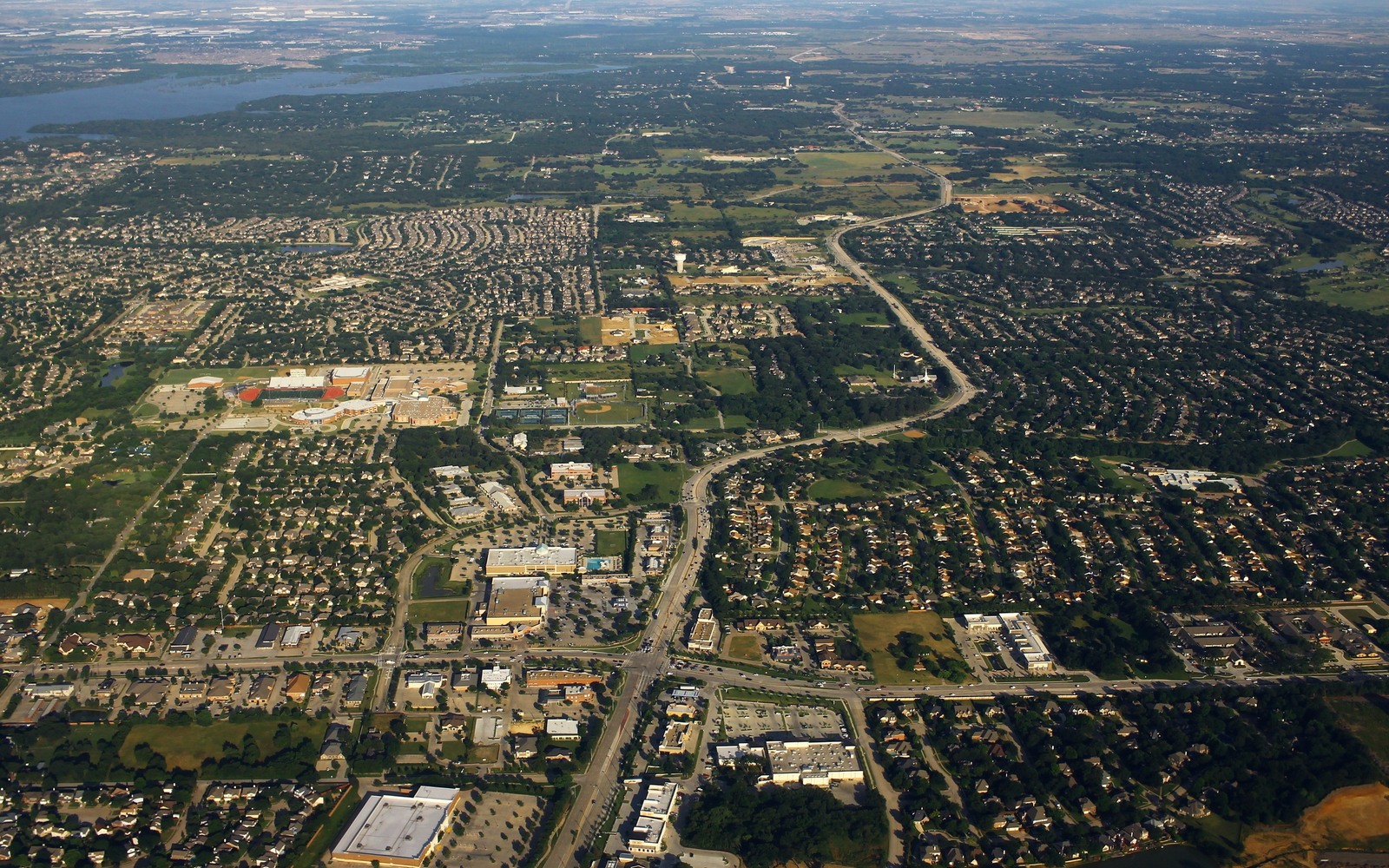
Flower Mound sits across parts of both Denton and Tarrant counties, and its rapid growth during the 2000s and 2010s happened right alongside some of the most concentrated Barnett drilling and pooling activity anywhere in the play.
This is one of the larger, more built-out Barnett communities, and mineral units here tend to be extensive, sometimes combining large numbers of residential and commercial parcels across a wide area to reach economic drilling size. Given the town's rapid growth, the tract desk also sees plenty of cases where minerals were reserved by a developer or prior owner before a subdivision was built, so confirming actual ownership is always its first step.
The tract desk has underwritten a number of Flower Mound interests over the years, and the size and complexity of the units here means it leans heavily on actual Railroad Commission and county deed data rather than any general assumption about the area.
Flower Mound's units can span a substantial number of individual parcels, reflecting how much residential and commercial development happened here during and after the original Barnett boom. The tract desk confirms your specific unit configuration and decimal interest through county deed records and Railroad Commission filings before it discusses any numbers, since assuming based on the town's general reputation wouldn't be reliable.
Your actual value comes down to your decimal share multiplied against the unit's real production, which the tract desk calculate directly rather than estimating.
Because Flower Mound developed so quickly, it's genuinely common for a homeowner to not hold the mineral rights under their property at all, having been reserved by a developer or a previous landowner before the current subdivision existed. The tract desk always recommend checking closing documents or a title search if you're not sure, and it can research Denton or Tarrant County deed records using your legal description to confirm either way.
If you do hold an interest, the tract desk confirms the details before moving forward with any conversation about value.
The wells feeding Flower Mound-area units were mostly drilled well over a decade ago, before much of the current development existed, and have since settled into a long, gradual decline typical of mature Barnett production. The tract desk looks at trailing production trends over recent months rather than any single royalty statement, since gas price movement affects your check more than underlying volume changes at this stage.
The tract desk has not tracked significant new drilling in this specific area recently, so it underwrites based on continuation of the well's established performance.
Every review begins with the county record, legal description, ownership fraction, lease position, producing status, wells, units, and paid decimal. Surface location can help find a tract, but it does not prove the mineral interest or participation in nearby development.
Formation, field, well vintages, spacing, operator acreage, offsets, permits, and development pace around a subject tract belong in separate evidence lanes. The property's own history carries more weight than activity that does not include the acreage.
Statements, division orders, unit records, volumes, prices, taxes, deductions, downtime, adjustments, burdens, and decimal changes should reconcile before current revenue or remaining production is projected for the tract.
The written purchase file should identify the right conveyed, county, legal description, fractions or acres, depths, products, wells, units, reservations, effective date, receivables, title standard, adjustment rights, funding, and recording sequence.
Texas owner file
Resolve these owner questions before a Texas mineral purchase is reduced to a single dollars-per-acre number.
Not necessarily. Given how quickly this area developed, minerals were often reserved by a developer or previous owner before the current subdivision was built. Check your closing documents or a title search to confirm before assuming either way.
Yes, Flower Mound's units tend to be larger given how much development happened during and after the Barnett boom. The tract desk calculate your actual value from your decimal share and the unit's real production, which can still add up meaningfully.
Most wells feeding this area were drilled well over a decade ago and have settled into a long, gradual decline. The tract desk underwrites based on continuation of that established production rather than expecting significant new activity.
Texas tract board
The same county record, lease position, and production history carry into these Texas property checks.
Hillside Acres sits in Webb County within the Eagle Ford's productive footprint. The tract desk underwrites mineral interests here against real offset well data.
Nesbitt sits in Harrison County's Haynesville gas play. We buy mineral interests directly and underwrite off actual well decline and current gas pricing.
Roanoke sits in Denton County's Barnett core. The tract desk underwrites these interests with local surface development changes taken into account.
Buy Mineral Rights Texas
Send the county, property description, producing status, operator or well name, and the documents already available.
Notifications