Sell Mineral Rights in Los Arcos, TX
We buy Eagle Ford mineral and royalty interests in Los Arcos, Webb County, priced from real gas well production and current data.
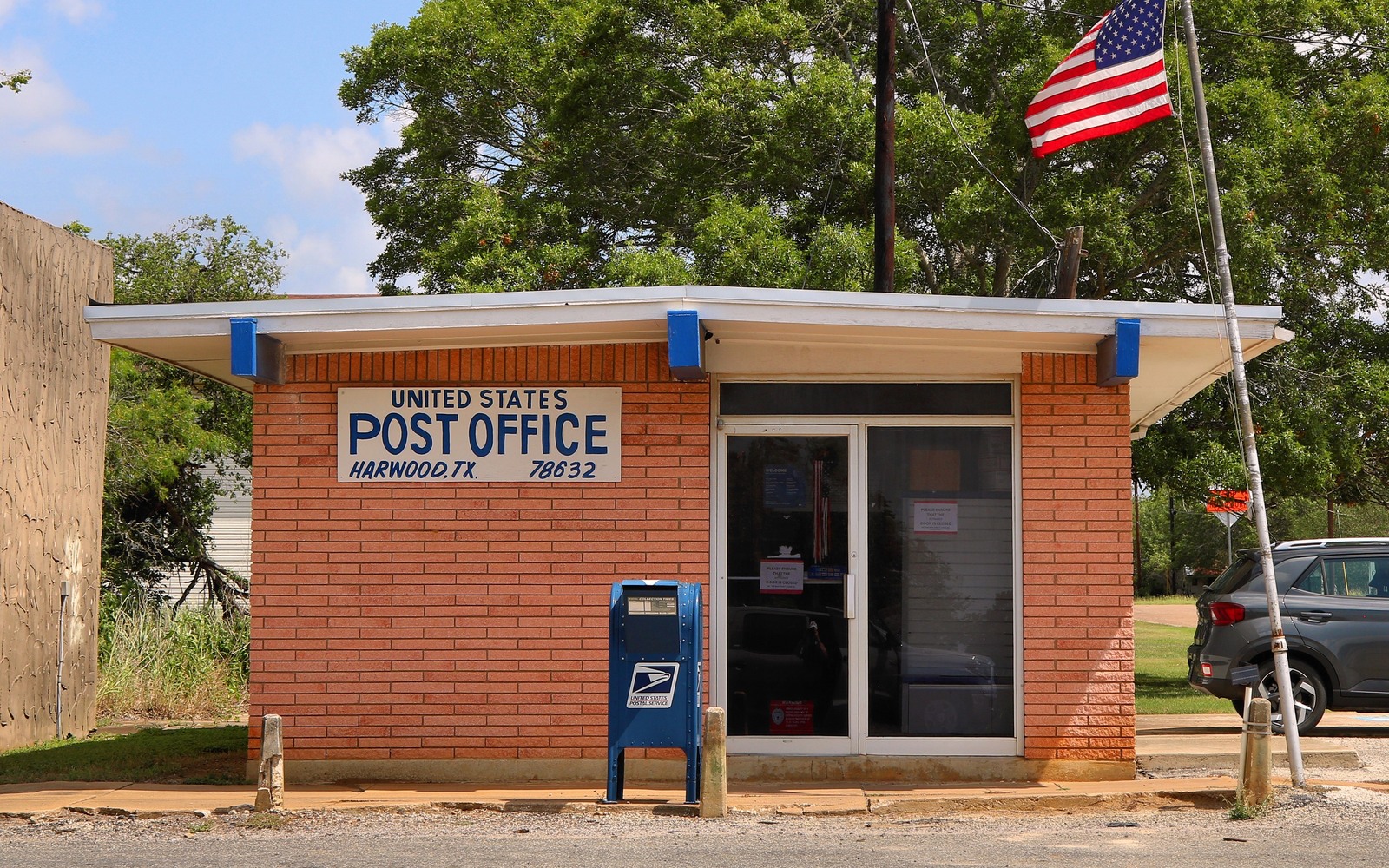
Harwood is a small Gonzales County community sitting within the Eagle Ford's productive oil window, an area with drilling history stretching back to the play's earliest years.
Harwood-area interests the tract desk has underwritten tend to share Gonzales County's broader story - early, well-proven Eagle Ford production that's now mature and settled into a long decline tail. The tract desk checks each interest's specific well data rather than assuming the whole county performs identically, since even within a strong county performance varies section to section.
The tract desk also checks whether your Harwood-area tract has been split among several heirs over the years, since Gonzales County ranch families often passed land down without a formal partition.
Wells near Harwood are generally well past their steep early decline. The tract desk model remaining value off the well's actual current output rather than its historical peak production.
This part of Gonzales County sits within the Eagle Ford's oil window, historically supporting stronger economics than gassier parts of the play further south. The tract desk confirms that with current offset data before valuing your tract.
Interests near Harwood often trace back to family ranch tracts with title chains running through several generations. The tract desk traces that chain carefully before making an offer.
Where that's the case, the tract desk works through each sibling or cousin's share individually rather than assuming an even split that may not match the actual deed history.
Every review begins with the county record, legal description, ownership fraction, lease position, producing status, wells, units, and paid decimal. Surface location can help find a tract, but it does not prove the mineral interest or participation in nearby development.
Formation, field, well vintages, spacing, operator acreage, offsets, permits, and development pace around a subject tract belong in separate evidence lanes. The property's own history carries more weight than activity that does not include the acreage.
Statements, division orders, unit records, volumes, prices, taxes, deductions, downtime, adjustments, burdens, and decimal changes should reconcile before current revenue or remaining production is projected for the tract.
The written purchase file should identify the right conveyed, county, legal description, fractions or acres, depths, products, wells, units, reservations, effective date, receivables, title standard, adjustment rights, funding, and recording sequence.
Texas owner file
Resolve these owner questions before a Texas mineral purchase is reduced to a single dollars-per-acre number.
It sits within Gonzales County's oil window, one of the more historically productive parts of the play.
Generally well past the steep early decline, settled into a longer flatter tail given the county's early development history.
Common here. The tract desk traces the full chain of title including any probate before quoting a number.
Send your deed and a recent division order or check stub if available.
The tract desk can often work from probate records or an informal family agreement to confirm each person's actual share before we proceed.
That's common, and it's exactly what the tract desk does during underwriting. The tract desk will walk you through how it arrived at the number, rather than simply hand you a figure.
Texas tract board
The same county record, lease position, and production history carry into these Texas property checks.
We buy Eagle Ford mineral and royalty interests in Los Arcos, Webb County, priced from real gas well production and current data.
Stanton is the seat of Martin County, a top Midland Basin producer. The tract desk underwrites Wolfcamp and Spraberry interests off real, current data.
Highland Village sits in Denton County's Barnett footprint near Lake Lewisville. The tract desk underwrites mineral interests here against real pooled-unit history.
Buy Mineral Rights Texas
Send the county, property description, producing status, operator or well name, and the documents already available.
Notifications