Sell Mineral Rights in Laredo Ranchettes, TX
We buy Eagle Ford mineral and royalty interests in Laredo Ranchettes, Webb County, underwritten from actual production near the dry-gas core.
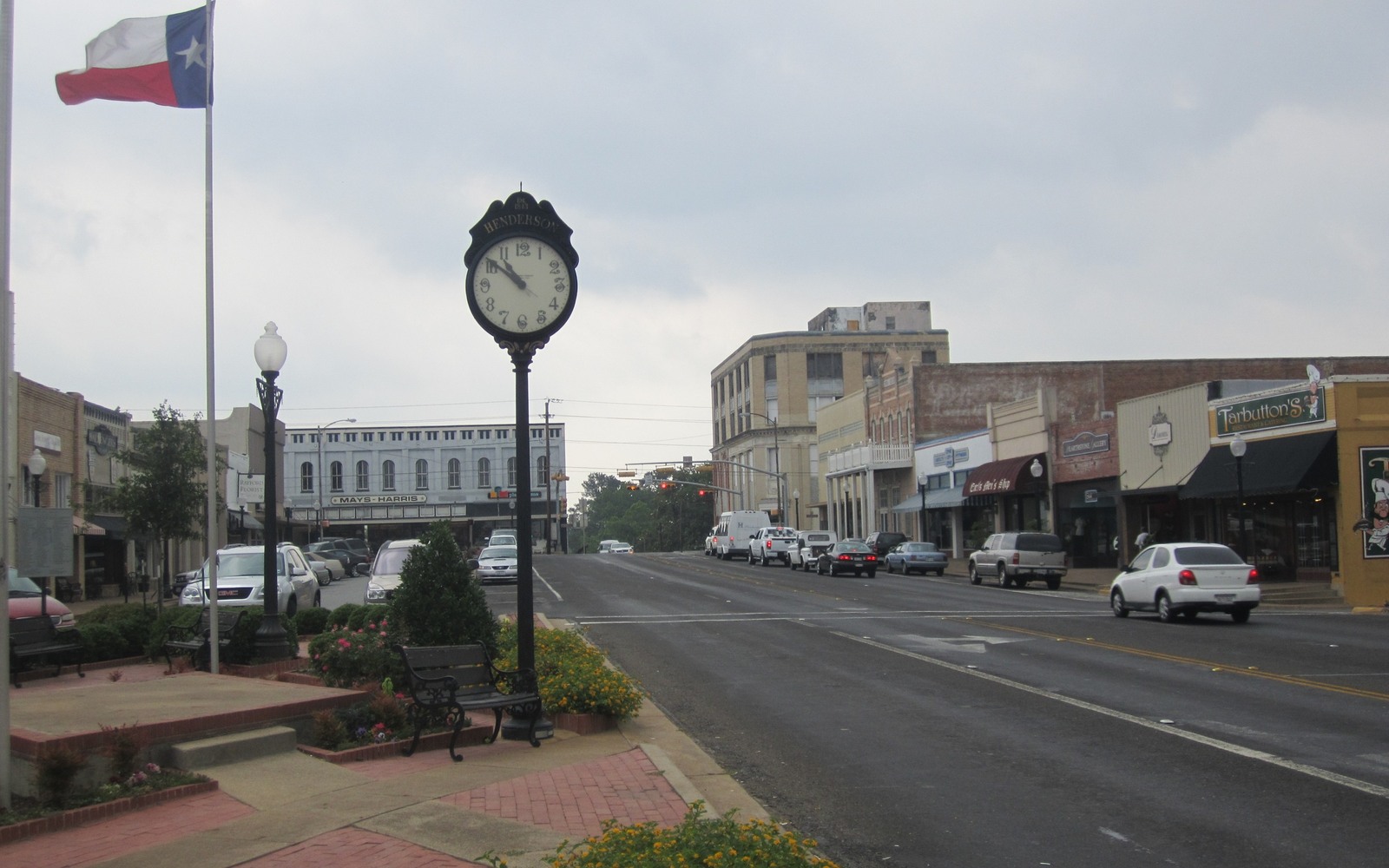
Henderson is the Rusk County seat, an area with East Texas oil field history going back to the 1930s, layered now with reach from the deeper Haynesville trend to the east.
Rusk County is a good example of stacked history in East Texas - the legendary East Texas Oil Field touched parts of this region decades ago, and more recently Haynesville-related activity has extended into the county's eastern reaches. When the tract desk underwrites a Henderson-area interest, it first figure out whether it's tied to that older conventional production, the deeper gas play, or both.
The tract desk also checks whether the East Texas Field's historic boundaries actually reach your specific tract, since the field's productive limits are more precise than the general regional reputation suggests.
Older conventional wells in this region can have production histories going back generations, with a flat, slow decline unlike anything in a modern shale well. The tract desk model that legacy production on its own terms.
Some Rusk County land near Henderson sits just outside those historic boundaries, which changes the underwriting meaningfully.
Where deeper Haynesville-related drilling has extended into this part of the county, the tract desk evaluates that separately, with gas price sensitivity built directly into the underwriting.
With production this old in places, Rusk County title chains often run through many decades and multiple generations. The tract desk traces that chain at the courthouse in Henderson before making an offer.
Every review begins with the county record, legal description, ownership fraction, lease position, producing status, wells, units, and paid decimal. Surface location can help find a tract, but it does not prove the mineral interest or participation in nearby development.
Formation, field, well vintages, spacing, operator acreage, offsets, permits, and development pace around a subject tract belong in separate evidence lanes. The property's own history carries more weight than activity that does not include the acreage.
Statements, division orders, unit records, volumes, prices, taxes, deductions, downtime, adjustments, burdens, and decimal changes should reconcile before current revenue or remaining production is projected for the tract.
The written purchase file should identify the right conveyed, county, legal description, fractions or acres, depths, products, wells, units, reservations, effective date, receivables, title standard, adjustment rights, funding, and recording sequence.
Texas owner file
Resolve these owner questions before a Texas mineral purchase is reduced to a single dollars-per-acre number.
The trend extends into parts of the county, though generally less densely than the deep core further east in Harrison and Panola counties.
Yes. This region has decades of conventional oil and gas history, and the tract desk underwrites legacy production on its own separate decline curve.
The tract desk evaluates each zone or well separately, then combine them into a single total offer for your interest.
Send your deed or probate document and a recent division order or check stub if you have one.
The tract desk checks the field's mapped boundaries against your legal description, since the productive area is well documented even after decades.
Texas tract board
The same county record, lease position, and production history carry into these Texas property checks.
We buy Eagle Ford mineral and royalty interests in Laredo Ranchettes, Webb County, underwritten from actual production near the dry-gas core.
We buy Eagle Ford mineral and royalty interests in Los Nopalitos, Webb County, priced from real dry-gas production and current pricing data.
Sand Springs sits in Howard County near Big Spring, Permian Midland Basin territory. The tract desk underwrites these interests off real decline data from this long-producing.
Buy Mineral Rights Texas
Send the county, property description, producing status, operator or well name, and the documents already available.
Notifications