Sell Mineral Rights in Iraan, TX
Iraan sits atop the historic Yates Field in Pecos County. The tract desk underwrites interests here against decades of legacy production plus nearby Delaware Basin activity.
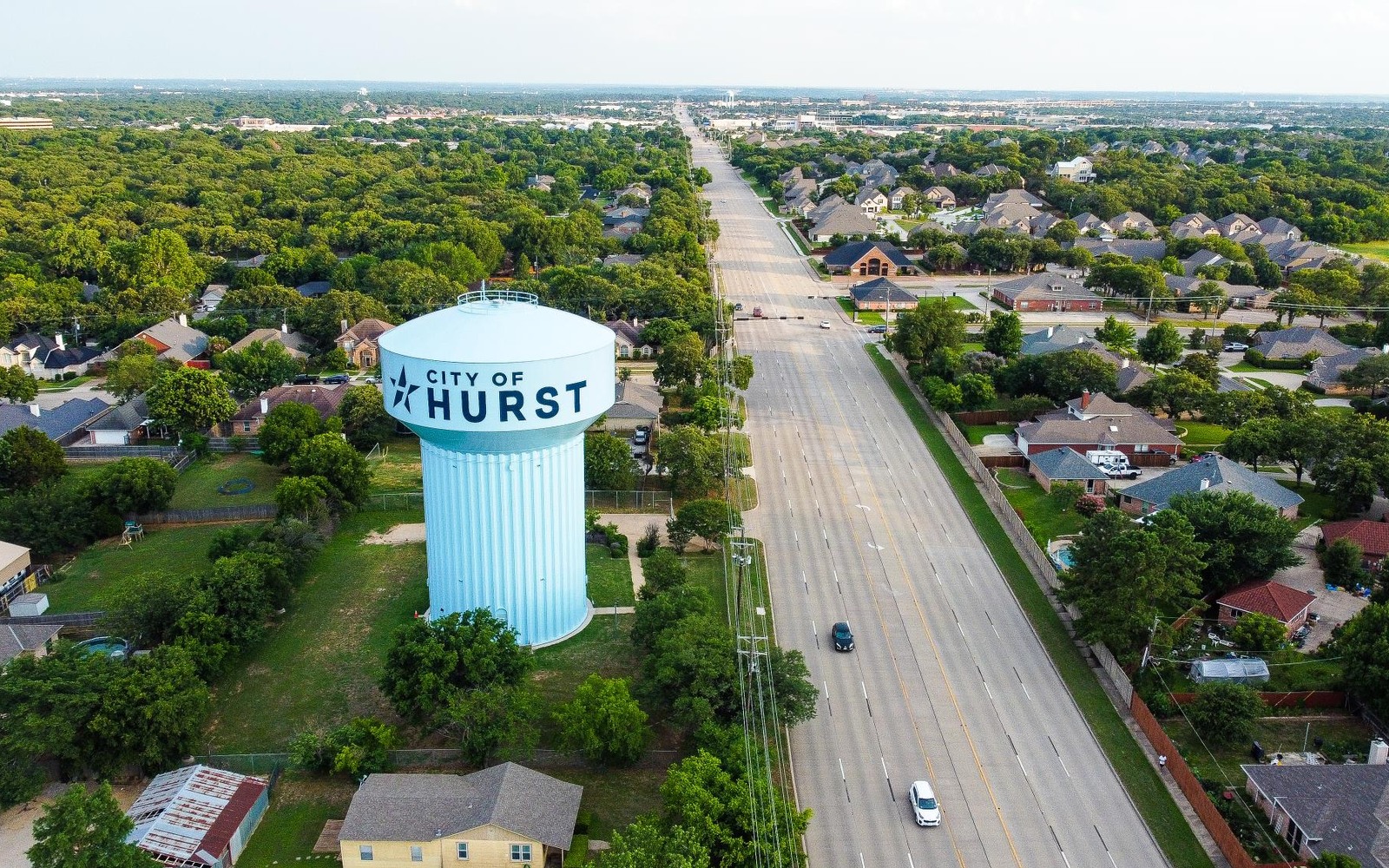
Hurst sits deep in Tarrant County's urban Barnett core, fully built out, where nearly every mineral interest is a small fractional share of a large pooled unit.
Hurst is classic dense mid-cities Barnett territory. Wells here were drilled from a limited number of urban pad sites under Fort Worth-area drilling ordinances, pooling hundreds of small residential and commercial parcels into single units. If you own minerals in Hurst, getting your exact decimal interest right is the most important part of the underwriting.
The tract desk also checks how many distinct pad sites actually feed your Hurst-area pooled unit, since some of the larger urban units in this part of Tarrant County draw from more than one pad.
The tract desk traces your Hurst parcel through the applicable pooling order to confirm your exact allocated share before quoting anything, since errors on old division orders are common in units this large.
Confirming that structure helps explain your unit's total production and, in turn, your proportionate share of it.
Wells in this part of Tarrant County generally performed well during the boom. The tract desk pulls actual production history for the specific well or unit tied to your interest.
Most wells here are well past peak, deep into decline. The tract desk model remaining value against current production and recent natural gas pricing.
Every review begins with the county record, legal description, ownership fraction, lease position, producing status, wells, units, and paid decimal. Surface location can help find a tract, but it does not prove the mineral interest or participation in nearby development.
Formation, field, well vintages, spacing, operator acreage, offsets, permits, and development pace around a subject tract belong in separate evidence lanes. The property's own history carries more weight than activity that does not include the acreage.
Statements, division orders, unit records, volumes, prices, taxes, deductions, downtime, adjustments, burdens, and decimal changes should reconcile before current revenue or remaining production is projected for the tract.
The written purchase file should identify the right conveyed, county, legal description, fractions or acres, depths, products, wells, units, reservations, effective date, receivables, title standard, adjustment rights, funding, and recording sequence.
Texas owner file
Resolve these owner questions before a Texas mineral purchase is reduced to a single dollars-per-acre number.
Possibly, depending on whether minerals were severed before your purchase. The tract desk can trace this through your deed.
If your parcel is pooled with many others, your check reflects a small proportionate share. The tract desk verifies that share is calculated correctly.
No meaningful new activity. Value is tied to legacy wells from the 2000s boom.
Your deed and a recent division order or check stub, if available.
Yes, if your unit is fed by multiple wells across one or more pad sites. The tract desk confirms the full production picture before quoting.
The tract desk traces the chain of title through any subsequent sales to confirm you're the current owner of record before making an offer.
Texas tract board
The same county record, lease position, and production history carry into these Texas property checks.
Iraan sits atop the historic Yates Field in Pecos County. The tract desk underwrites interests here against decades of legacy production plus nearby Delaware Basin activity.
Pelican Bay sits near Eagle Mountain Lake in Tarrant County, over mature Barnett Shale gas. We buy mineral interests directly and underwrite off real data.
Pleasanton sits in Atascosa County on the Eagle Ford's northern edge. We buy mineral interests directly and explain how edge-of-play acreage underwrites.
Buy Mineral Rights Texas
Send the county, property description, producing status, operator or well name, and the documents already available.
Notifications