Sell Mineral Rights in Pyote, TX
Pyote sits in Ward County's Delaware Basin, deep enough for multi-bench development. The tract desk underwrites these interests county-by-county, not off a statewide average.
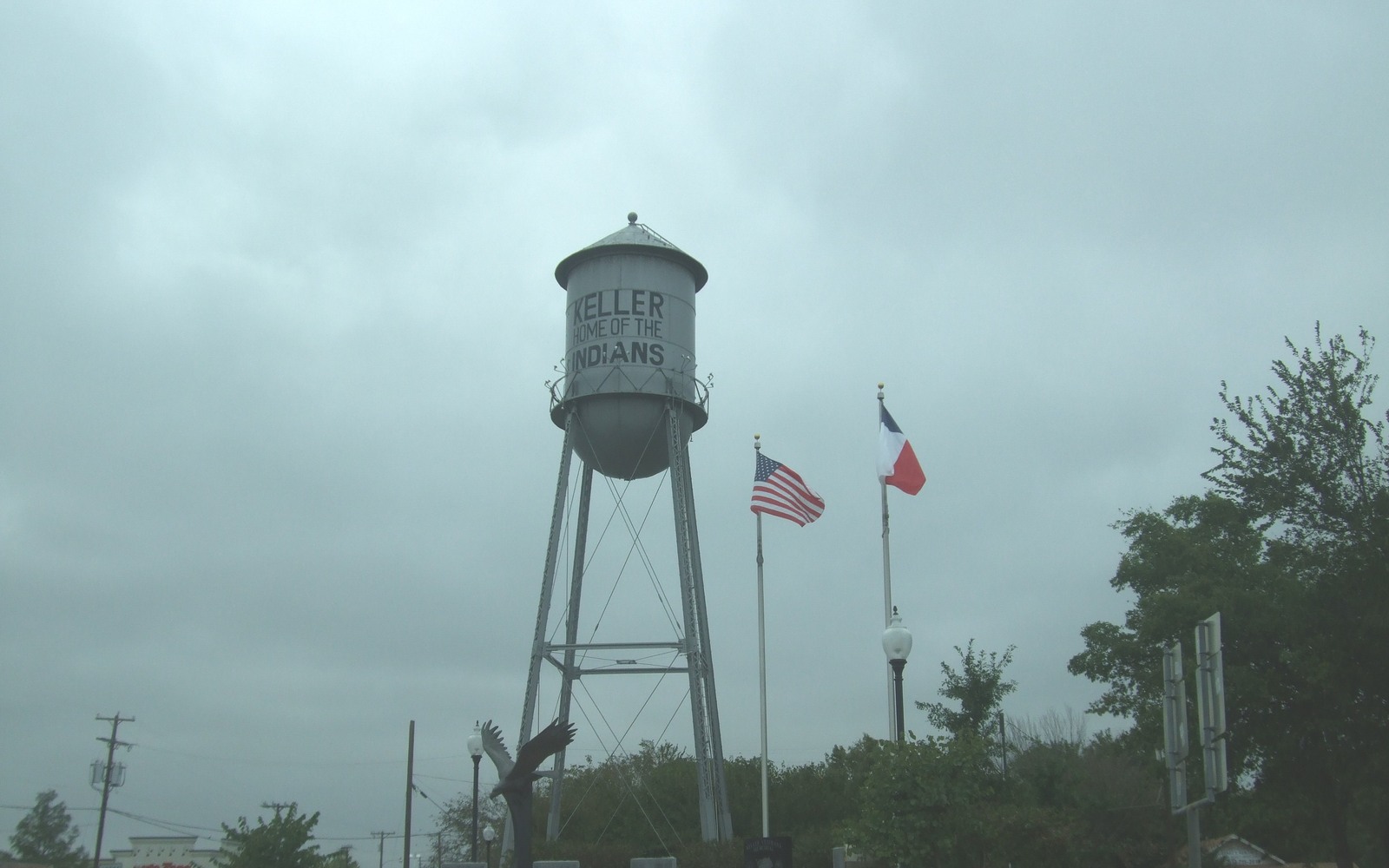
Keller was leased hard during the Barnett rush before most of its current subdivisions were built, which means a lot of mineral interests here sit under streets and backyards that came later.
When mineral rights were severed from surface ownership before a Tarrant County neighborhood was platted, the two can drift apart on paper over time. The tract desk spend extra effort on Keller-area title work for exactly that reason before it put together an offer.
Because Keller sits close to several other Tarrant County towns, the tract desk always confirm the exact unit boundaries rather than assuming a mailing address tells the whole story.
Wells producing under or near Keller are almost all vertical or early-generation horizontal completions from the 2005-2010 window, now well into their tail production. The tract desk pulls the specific well's history rather than assuming every Tarrant County interest performs the same.
Where a tract has changed hands multiple times as a ranch became a subdivision, the mineral reservation language in old deeds sometimes gets misread or dropped entirely from later paperwork. The tract desk checks the deed chain directly rather than relying only on the current division order.
Where a ranch became a subdivision, the tract desk pulls the original severance deed and trace it forward through every conveyance to make sure nothing dropped the mineral reservation along the way.
Once that chain is clean, the tract desk checks trailing production and current gas pricing to build a number specific to your unit, not a general Tarrant County estimate.
Every review begins with the county record, legal description, ownership fraction, lease position, producing status, wells, units, and paid decimal. Surface location can help find a tract, but it does not prove the mineral interest or participation in nearby development.
Formation, field, well vintages, spacing, operator acreage, offsets, permits, and development pace around a subject tract belong in separate evidence lanes. The property's own history carries more weight than activity that does not include the acreage.
Statements, division orders, unit records, volumes, prices, taxes, deductions, downtime, adjustments, burdens, and decimal changes should reconcile before current revenue or remaining production is projected for the tract.
The written purchase file should identify the right conveyed, county, legal description, fractions or acres, depths, products, wells, units, reservations, effective date, receivables, title standard, adjustment rights, funding, and recording sequence.
Texas owner file
Resolve these owner questions before a Texas mineral purchase is reduced to a single dollars-per-acre number.
Not for the mineral interest itself, as long as the original severance was properly recorded. The tract desk verifies that directly in the Tarrant County records.
Possibly. Silence in a later deed doesn't automatically mean the minerals transferred; the tract desk will trace the chain back to the original severance to find out.
Most are mature but still active, producing at low, fairly stable rates typical of an older Barnett well past its initial decline.
Usually a few days to a week, depending on how many times the tract has changed hands since the original severance.
Yes, directly. If the tract desk finds a gap in the chain, it will explain it and what it would take to resolve before we move forward.
Texas tract board
The same county record, lease position, and production history carry into these Texas property checks.
Pyote sits in Ward County's Delaware Basin, deep enough for multi-bench development. The tract desk underwrites these interests county-by-county, not off a statewide average.
Van Horn sits in Culberson County near the western edge of the Delaware Basin. The tract desk underwrites off real well data before a direct mineral rights offer.
We buy Barnett Shale mineral and royalty interests around Keene, Johnson County. Gas wells here are mostly older and past their steep decline — we price them fairly.
Buy Mineral Rights Texas
Send the county, property description, producing status, operator or well name, and the documents already available.
Notifications