Sell Mineral Rights in Waskom, TX
Waskom sits right on the Texas-Louisiana line in Harrison County's Haynesville trend. The tract desk underwrites off real well data before quoting a direct offer.
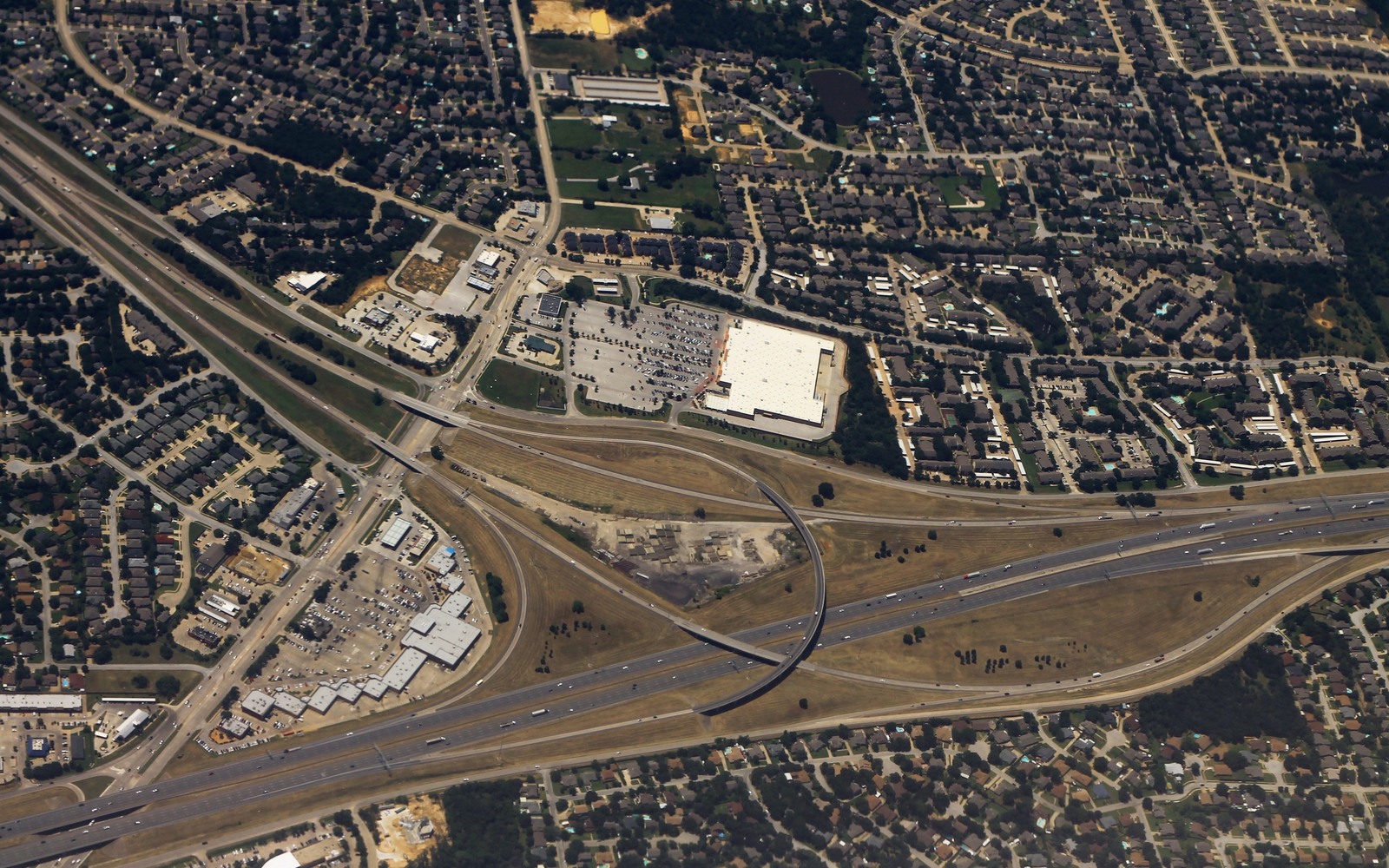
Kennedale is small, but it sat close enough to the Barnett's productive core that a meaningful share of the town's underlying acreage was leased and drilled during the boom years.
The tract desk has reviewed enough Tarrant County royalty statements to know that a small town doesn't mean a small interest. Kennedale tracts leased in the mid-2000s can still carry real value if the well behind them is still on production.
The tract desk has found that Kennedale interests are sometimes mixed up in Railroad Commission records with wells that actually sit across the line in a neighboring town, so it double-check the unit before pricing anything.
Most wells in this corner of Tarrant County are past their steep decline and into a long, low tail, though a handful have seen workovers or recompletions that extended their life beyond what the original type curve suggested.
The tract desk asks for a division order or recent check stub first because Kennedale-area units sometimes overlap city limits with neighboring towns, and it wants to match your interest to the exact well rather than guessing from an address.
Once the correct well is confirmed, the tract desk runs its trailing production against its full decline history and current gas pricing to see where it actually sits today.
The tract desk also checks whether nearby units have had any recent workover activity, since that can shift the remaining value meaningfully even on an older well.
Every review begins with the county record, legal description, ownership fraction, lease position, producing status, wells, units, and paid decimal. Surface location can help find a tract, but it does not prove the mineral interest or participation in nearby development.
Formation, field, well vintages, spacing, operator acreage, offsets, permits, and development pace around a subject tract belong in separate evidence lanes. The property's own history carries more weight than activity that does not include the acreage.
Statements, division orders, unit records, volumes, prices, taxes, deductions, downtime, adjustments, burdens, and decimal changes should reconcile before current revenue or remaining production is projected for the tract.
The written purchase file should identify the right conveyed, county, legal description, fractions or acres, depths, products, wells, units, reservations, effective date, receivables, title standard, adjustment rights, funding, and recording sequence.
Texas owner file
Resolve these owner questions before a Texas mineral purchase is reduced to a single dollars-per-acre number.
Your division order or check stub should list it. If you don't have either, send the tract desk what you do have and it will trace it through operator and Railroad Commission records.
Often yes, especially if you'd rather have a lump sum now than years of small, declining monthly payments. The tract desk will give you a real number either way.
Yes, unleased minerals still have value, particularly if there's nearby well activity that suggests future leasing interest.
The tract desk checks this directly against Railroad Commission unit maps rather than relying on your mailing address.
Yes, the tract desk can typically trace it through county deed records and the operator's current division order.
Texas tract board
The same county record, lease position, and production history carry into these Texas property checks.
Waskom sits right on the Texas-Louisiana line in Harrison County's Haynesville trend. The tract desk underwrites off real well data before quoting a direct offer.
West Odessa sits in Ector County's dense Midland Basin core. The tract desk underwrites off actual well decline before making a direct cash offer.
Copper Canyon's large-lot land sits over Barnett units near Lake Lewisville. The tract desk underwrites by unit production, not a flat per-acre guess.
Buy Mineral Rights Texas
Send the county, property description, producing status, operator or well name, and the documents already available.
Notifications