Sell Mineral Rights in Aledo, TX
How Barnett Shale minerals near Aledo in Parker County get underwritten today, two decades after the original drilling wave moved through.
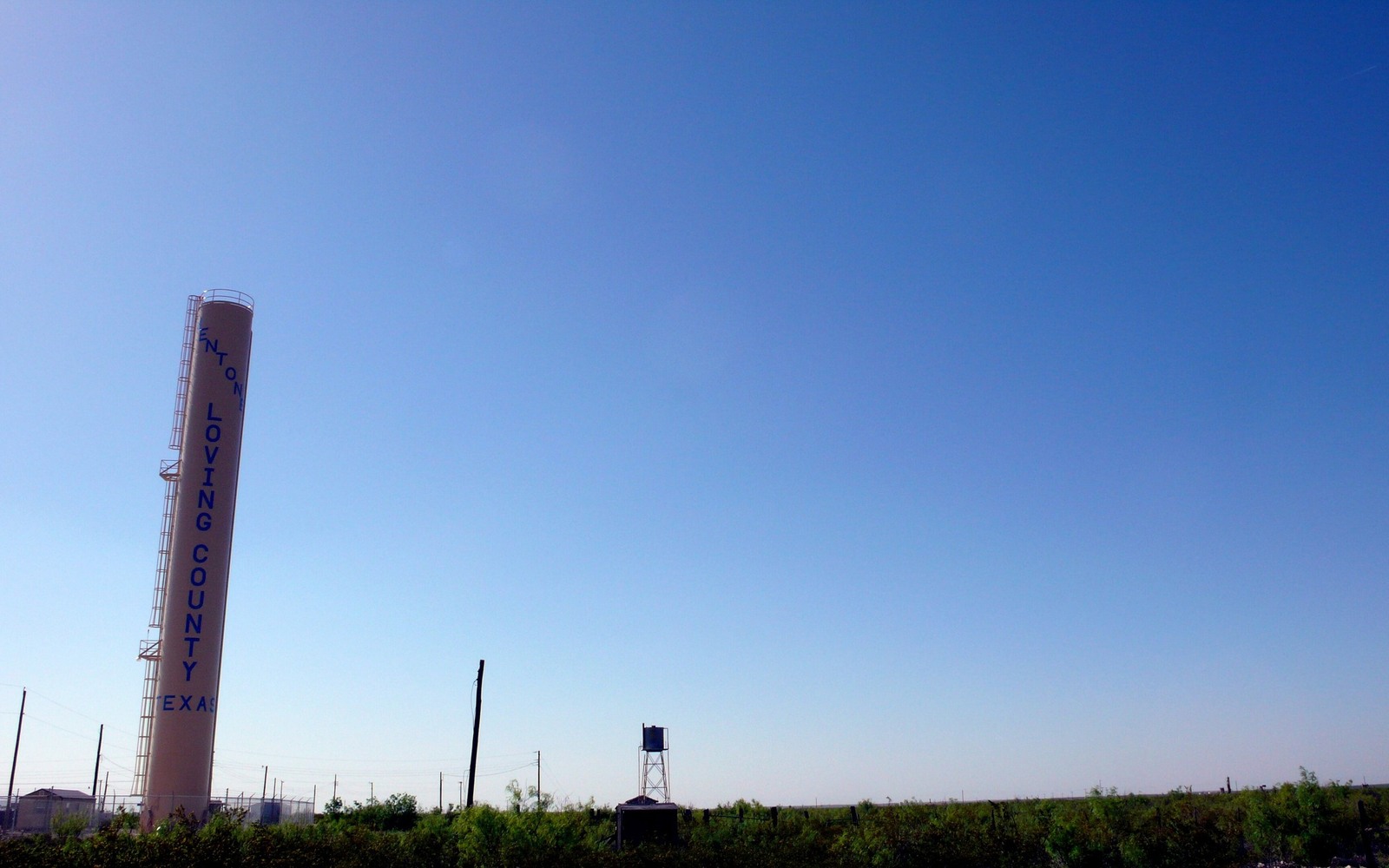
Loving County has fewer than a hundred residents but some of the densest Delaware Basin drilling in Texas, and Mentone sits right in the middle of it.
Mentone is the county seat of Loving County, the least populated county in Texas, but don't let that fool you about the mineral activity underneath it. Loving County has seen some of the most aggressive Delaware Basin horizontal development anywhere in the play, and that density means we usually have good offset data to underwrite against when a Mentone-area owner comes to us.
Operators here have run tight-spaced horizontal programs across multiple Wolfcamp and Bone Spring benches, often stacking several wells per section. For a mineral owner, that usually means your interest touches more than one producing unit, sometimes several, each contributing its own share to your monthly check.
We pull every unit tied to your tract before quoting, since pricing off just one well when you're actually in three or four understates what your interest is really worth.
Given how sparsely populated Loving County is, mineral ownership records here can be older and less digitized than in busier counties, and family interests have often been split many ways over the years. We do the courthouse-level work to trace ownership when the paperwork on hand isn't complete.
Every review begins with the county record, legal description, ownership fraction, lease position, producing status, wells, units, and paid decimal. Surface location can help find a tract, but it does not prove the mineral interest or participation in nearby development.
Formation, field, well vintages, spacing, operator acreage, offsets, permits, and development pace around a subject tract belong in separate evidence lanes. The property's own history carries more weight than activity that does not include the acreage.
Statements, division orders, unit records, volumes, prices, taxes, deductions, downtime, adjustments, burdens, and decimal changes should reconcile before current revenue or remaining production is projected for the tract.
The written purchase file should identify the right conveyed, county, legal description, fractions or acres, depths, products, wells, units, reservations, effective date, receivables, title standard, adjustment rights, funding, and recording sequence.
Texas owner file
Resolve these owner questions before a Texas mineral purchase is reduced to a single dollars-per-acre number.
The population has nothing to do with the geology underneath it. Loving County sits in a core, high-quality part of the Delaware Basin, which is what drives the drilling density.
Given the multi-bench, tight-spaced development common here, it's often more than one. We identify every unit your interest touches before quoting.
Yes, we regularly reconstruct ownership through Loving County Clerk records and Railroad Commission filings when the paperwork on hand is thin.
It depends on how much of your section's bench potential is still untapped. If permits are on file for adjacent acreage, holding may capture more upside. If your unit is already fully developed, that upside has largely already shown up in current production. We'll tell you honestly which case applies to your tract.
Texas tract board
The same county record, lease position, and production history carry into these Texas property checks.
How Barnett Shale minerals near Aledo in Parker County get underwritten today, two decades after the original drilling wave moved through.
Underwriting Delaware Basin minerals near Balmorhea in Reeves County, where deep Wolfcamp and Bone Spring wells cost more but flow harder.
How Barnett Shale minerals near Alvarado in Johnson County are underwritten now, factoring long-tail production and gas price sensitivity.
Buy Mineral Rights Texas
Send the county, property description, producing status, operator or well name, and the documents already available.
Notifications