Sell Mineral Rights in Garden City, TX
Garden City sits at the center of Glasscock County's Wolfcamp core. The tract desk underwrites mineral and royalty interests here against real spacing and decline data, not a flat.
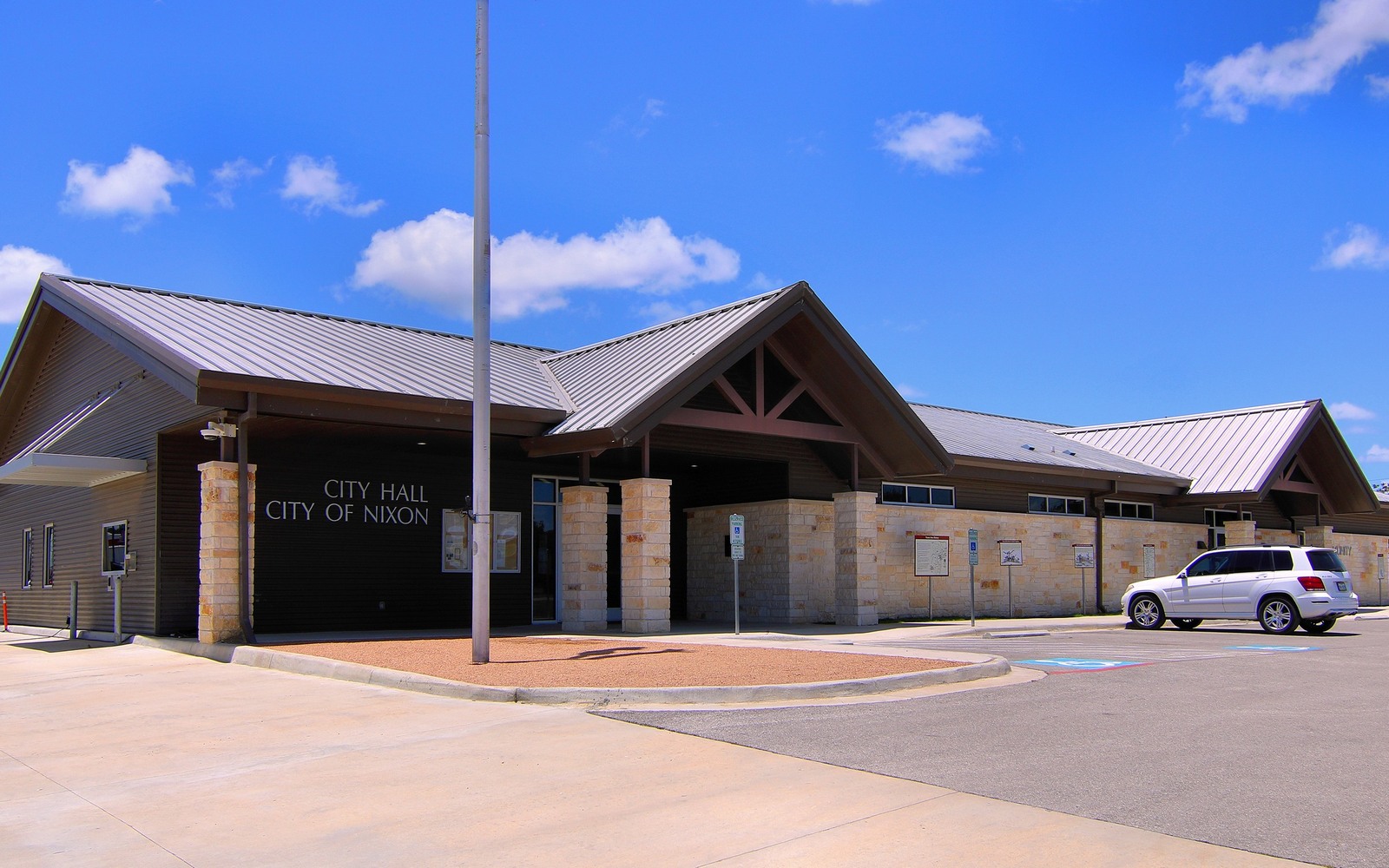
Gonzales County sits squarely in the Eagle Ford's oil window, and Nixon has seen its share of that development up close.
Gonzales County has been one of the steadier oil-window counties in the Eagle Ford, with production that leans more toward crude than the gas-heavier acreage further south and east. If you own minerals near Nixon, that oil-weighted mix generally means your royalty check reflects crude pricing more directly, which is one of the first things we check before valuing an interest here.
Because Gonzales County acreage produces a higher oil cut than the gas-condensate counties further south, decline curves and revenue mix behave differently here. We model your interest off the specific well's actual oil, gas, and NGL split rather than assuming a blended county number.
Many Nixon-area wells have been producing for several years now, so we typically have a solid production history to work from when pricing an offer.
A lot of the acreage around Nixon has stayed in the same ranching families for generations, and mineral interests here often reflect that: multiple heirs holding small fractional shares of an original larger tract. We're comfortable buying a single heir's piece or coordinating across several family members on the same underlying property. In our experience, consolidating a fragmented heir group is often what makes selling worthwhile in the first place, since a handful of small quarterly checks rarely add up to much held separately.
Every review begins with the county record, legal description, ownership fraction, lease position, producing status, wells, units, and paid decimal. Surface location can help find a tract, but it does not prove the mineral interest or participation in nearby development.
Formation, field, well vintages, spacing, operator acreage, offsets, permits, and development pace around a subject tract belong in separate evidence lanes. The property's own history carries more weight than activity that does not include the acreage.
Statements, division orders, unit records, volumes, prices, taxes, deductions, downtime, adjustments, burdens, and decimal changes should reconcile before current revenue or remaining production is projected for the tract.
The written purchase file should identify the right conveyed, county, legal description, fractions or acres, depths, products, wells, units, reservations, effective date, receivables, title standard, adjustment rights, funding, and recording sequence.
Texas owner file
Resolve these owner questions before a Texas mineral purchase is reduced to a single dollars-per-acre number.
It sits in the Eagle Ford's oil window, so production here tends to be more crude-weighted than gas-heavy areas further south. That mix directly affects how we price your royalty interest.
Many have several years of production history at this point, which gives us solid data to model decline against rather than projecting off limited early data.
Yes. We regularly buy individual heir interests without requiring every family member to sell, though we're also glad to coordinate with the full family if that's preferred.
Yes. Gonzales County has both legacy vertical production and newer Eagle Ford horizontal wells, and we price each off its own actual decline history rather than treating all Nixon-area production the same.
Texas tract board
The same county record, lease position, and production history carry into these Texas property checks.
Garden City sits at the center of Glasscock County's Wolfcamp core. The tract desk underwrites mineral and royalty interests here against real spacing and decline data, not a flat.
Paradise sits in Wise County, a core Barnett Shale gas county. We buy mineral and royalty interests directly and underwrite off real production data.
Paloma Creek South is a Denton County subdivision built over land with Barnett Shale mineral rights severed decades earlier. We buy those interests directly.
Buy Mineral Rights Texas
Send the county, property description, producing status, operator or well name, and the documents already available.
Notifications