Sell Mineral Rights in Plano, TX
Plano sits at the edge of the Barnett Shale trend. We buy mineral interests directly and explain how urban and near-urban Barnett acreage underwrites.
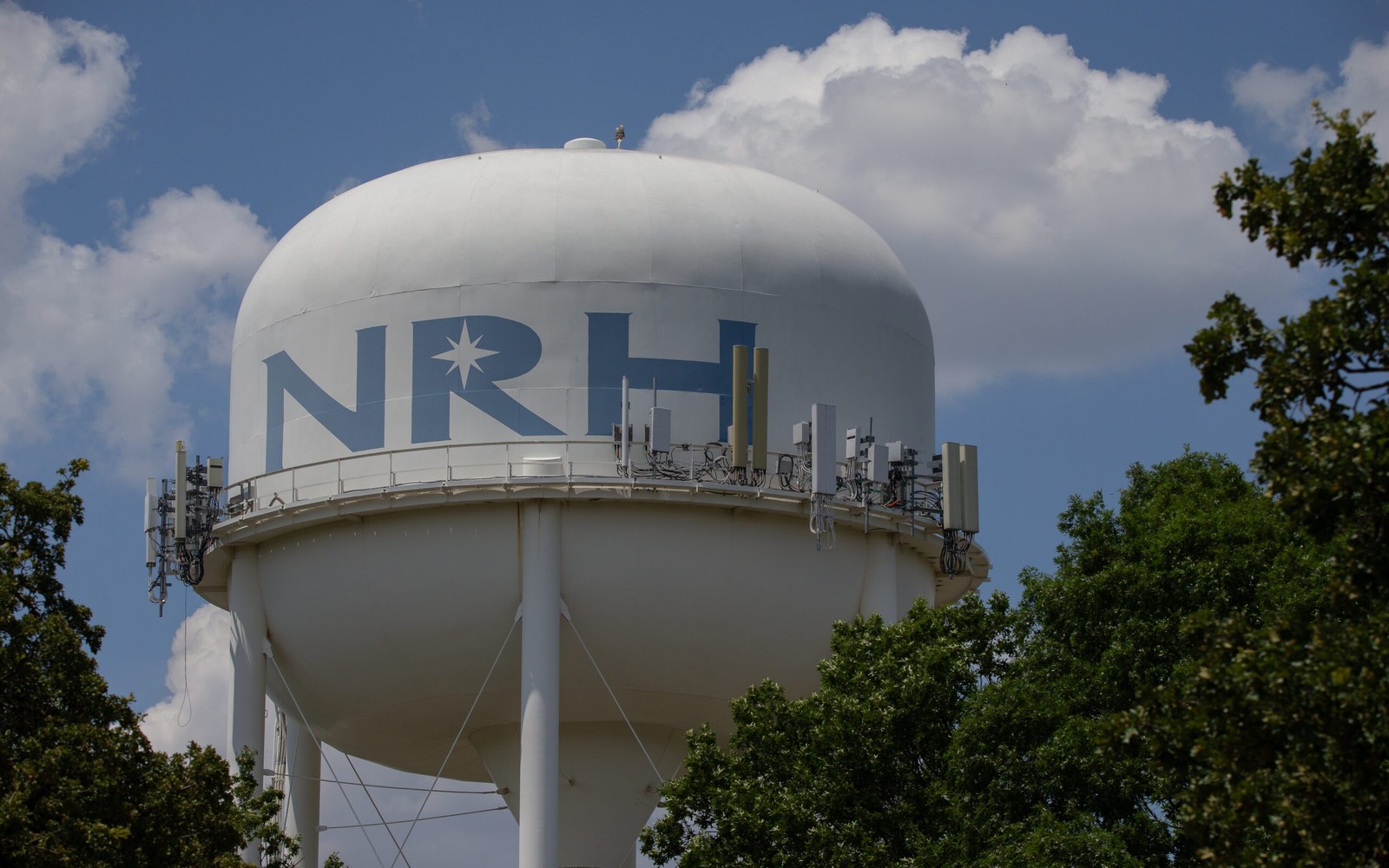
North Richland Hills is dense suburban Tarrant County, but a fair number of residents still hold mineral interests tied to Barnett Shale wells drilled under the area during the 2000s boom.
Urban and suburban Barnett drilling reached deep into Tarrant County during the original boom, and North Richland Hills was no exception, with pad sites tucked into commercial areas and along utility corridors to reach gas under residential neighborhoods. If your mineral interest traces to a home or lot here, it's almost certainly pooled into a larger horizontal unit that extends well beyond your property line.
Because horizontal Barnett wells here were drilled from limited urban pad sites, your interest likely reflects a fractional share of a large pooled unit rather than production from directly beneath your address. We pull the pooling documentation tied to your specific parcel so you know exactly which unit and well your check comes from.
Most North Richland Hills-area wells are now well into their production tail, which we account for using the well's actual decline history rather than an early-life assumption.
Urban mineral ownership here is often a legacy of pre-development ranch and farm severances, later split among heirs as the area urbanized and residential lots changed hands multiple times. We identify the actual well and unit for you and explain plainly what's driving your current check.
Every review begins with the county record, legal description, ownership fraction, lease position, producing status, wells, units, and paid decimal. Surface location can help find a tract, but it does not prove the mineral interest or participation in nearby development.
Formation, field, well vintages, spacing, operator acreage, offsets, permits, and development pace around a subject tract belong in separate evidence lanes. The property's own history carries more weight than activity that does not include the acreage.
Statements, division orders, unit records, volumes, prices, taxes, deductions, downtime, adjustments, burdens, and decimal changes should reconcile before current revenue or remaining production is projected for the tract.
The written purchase file should identify the right conveyed, county, legal description, fractions or acres, depths, products, wells, units, reservations, effective date, receivables, title standard, adjustment rights, funding, and recording sequence.
Texas owner file
Resolve these owner questions before a Texas mineral purchase is reduced to a single dollars-per-acre number.
Yes, and it's common. Minerals were often severed before the subdivision was built, and your interest is likely pooled into a horizontal unit extending beyond your lot.
Your division order or check stub lists the well or unit name. If you can't find it, we can trace ownership through Tarrant County records and Railroad Commission filings.
Often yes. Many are well into a long, steady tail that still carries real value, and we price off that actual production history.
No. HOA rules govern the surface and community, not the mineral estate underneath. Your mineral ownership is a separate legal interest that isn't touched by neighborhood association agreements.
Texas tract board
The same county record, lease position, and production history carry into these Texas property checks.
Plano sits at the edge of the Barnett Shale trend. We buy mineral interests directly and explain how urban and near-urban Barnett acreage underwrites.
Underwriting Eagle Ford minerals near Brundage, TX in Dimmit County, an oil-window area that's held onto steady horizontal development.
Underwriting Barnett Shale minerals in Annetta, a small Parker County town where development has stayed lighter than the play's Fort Worth core.
Buy Mineral Rights Texas
Send the county, property description, producing status, operator or well name, and the documents already available.
Notifications