Sell Mineral Rights in Nordheim, TX
Nordheim sits in DeWitt County, one of the most productive Eagle Ford counties in Texas. We buy mineral interests directly and underwrite off actual well data.
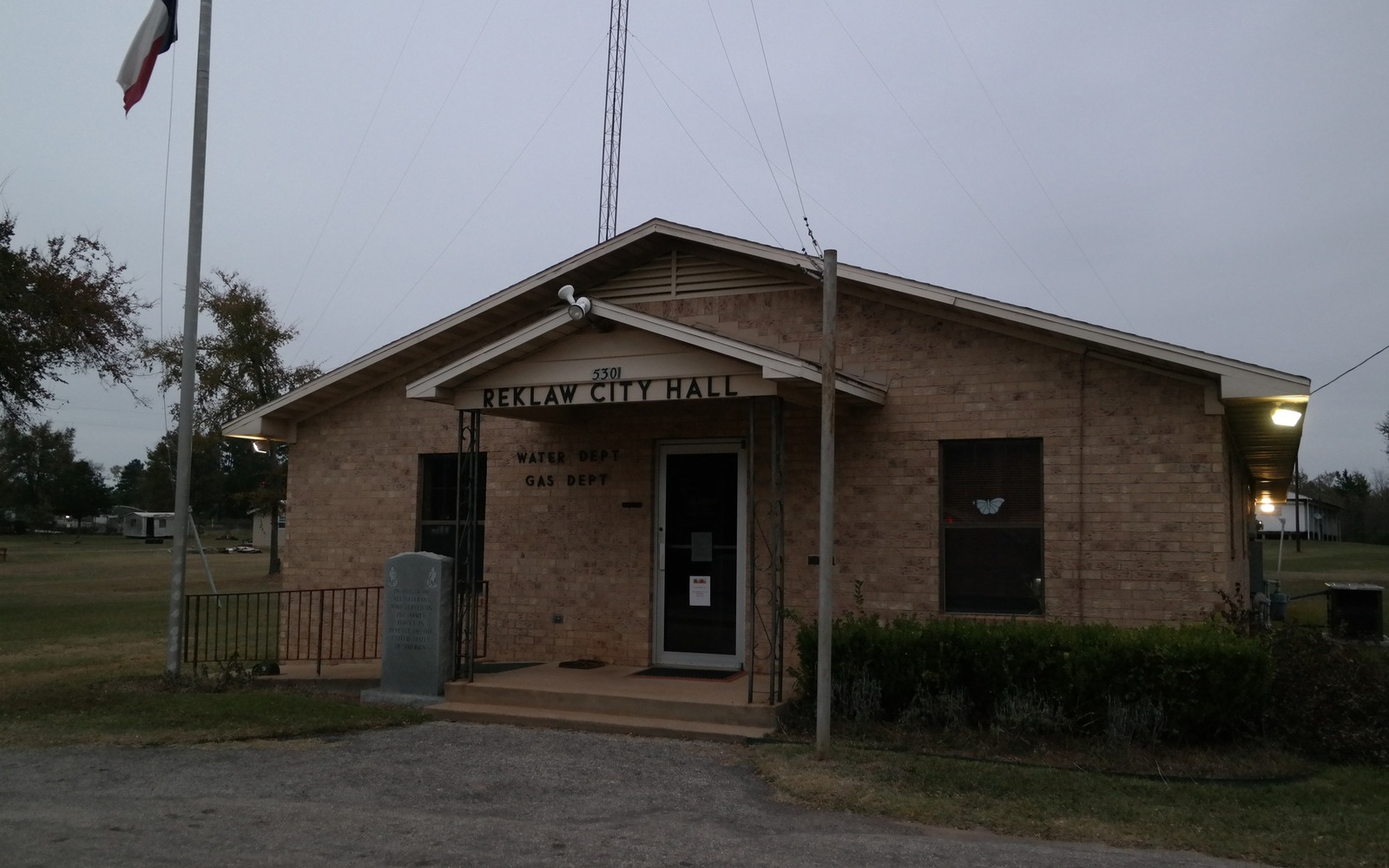
Reklaw is a small Cherokee County community that sits toward the western fringe of the broader East Texas gas trend, not deep in Haynesville core counties like Panola or Harrison.
The tract desk is upfront with owners near Reklaw that Cherokee County acreage generally sees less drilling density than the Haynesville core to the east, so the underwriting leans more heavily on nearby permit activity and less on a thick stack of comparable wells. That's not a reason to expect a lowball number -- it just means the tract desk does more legwork to support the offer.
The tract desk would rather tell a Reklaw owner honestly that their tract sits on the quieter edge of the play than oversell a number it can't support with real data. That honesty is part of what makes the offer trustworthy when the tract desk does put one in front of you.
When a county sits on the edge of a major play rather than in its core, the tract desk spend extra time checking Railroad Commission permit filings and any recent completions within a few miles, because there's less of a track record to lean on than in a heavily drilled county.
That extra diligence sometimes surfaces value owners didn't expect -- operators do occasionally step out to test edge-of-play acreage, and if that's happening near your Reklaw tract, it matters to the offer.
A copy of your deed or division order, and any royalty history if you have it. If there's no current production on your tract, that's fine -- the tract desk will base the number on nearby activity and formation depth in your area instead.
Every review begins with the county record, legal description, ownership fraction, lease position, producing status, wells, units, and paid decimal. Surface location can help find a tract, but it does not prove the mineral interest or participation in nearby development.
Formation, field, well vintages, spacing, operator acreage, offsets, permits, and development pace around a subject tract belong in separate evidence lanes. The property's own history carries more weight than activity that does not include the acreage.
Statements, division orders, unit records, volumes, prices, taxes, deductions, downtime, adjustments, burdens, and decimal changes should reconcile before current revenue or remaining production is projected for the tract.
The written purchase file should identify the right conveyed, county, legal description, fractions or acres, depths, products, wells, units, reservations, effective date, receivables, title standard, adjustment rights, funding, and recording sequence.
Texas owner file
Resolve these owner questions before a Texas mineral purchase is reduced to a single dollars-per-acre number.
Not the core -- it sits more toward the western fringe of the broader East Texas gas trend, which affects how the tract desk underwrites it versus counties like Panola or Harrison.
The tract desk still makes an offer, based on nearby permitting, formation depth, and lease activity in your area rather than existing production alone.
It can, when operators step out from the core to test extension areas. The tract desk watch for that kind of nearby activity before quoting.
The tract desk pulls the deed chain at the Cherokee County clerk's office directly before finalizing any number.
Texas tract board
The same county record, lease position, and production history carry into these Texas property checks.
Nordheim sits in DeWitt County, one of the most productive Eagle Ford counties in Texas. We buy mineral interests directly and underwrite off actual well data.
Venus sits on the southern edge of Johnson County's Barnett core. The tract desk checks well-specific decline data before quoting a direct mineral rights offer.
The Denton County edge of Dallas sits over Barnett units. The tract desk traces decimal interests through county deed records before quoting any number.
Buy Mineral Rights Texas
Send the county, property description, producing status, operator or well name, and the documents already available.
Notifications