Sell Mineral Rights in The Homesteads, TX
The Homesteads sits over Johnson County's Barnett core. The tract desk underwrites off real well decline data and buy small rural mineral interests direct.
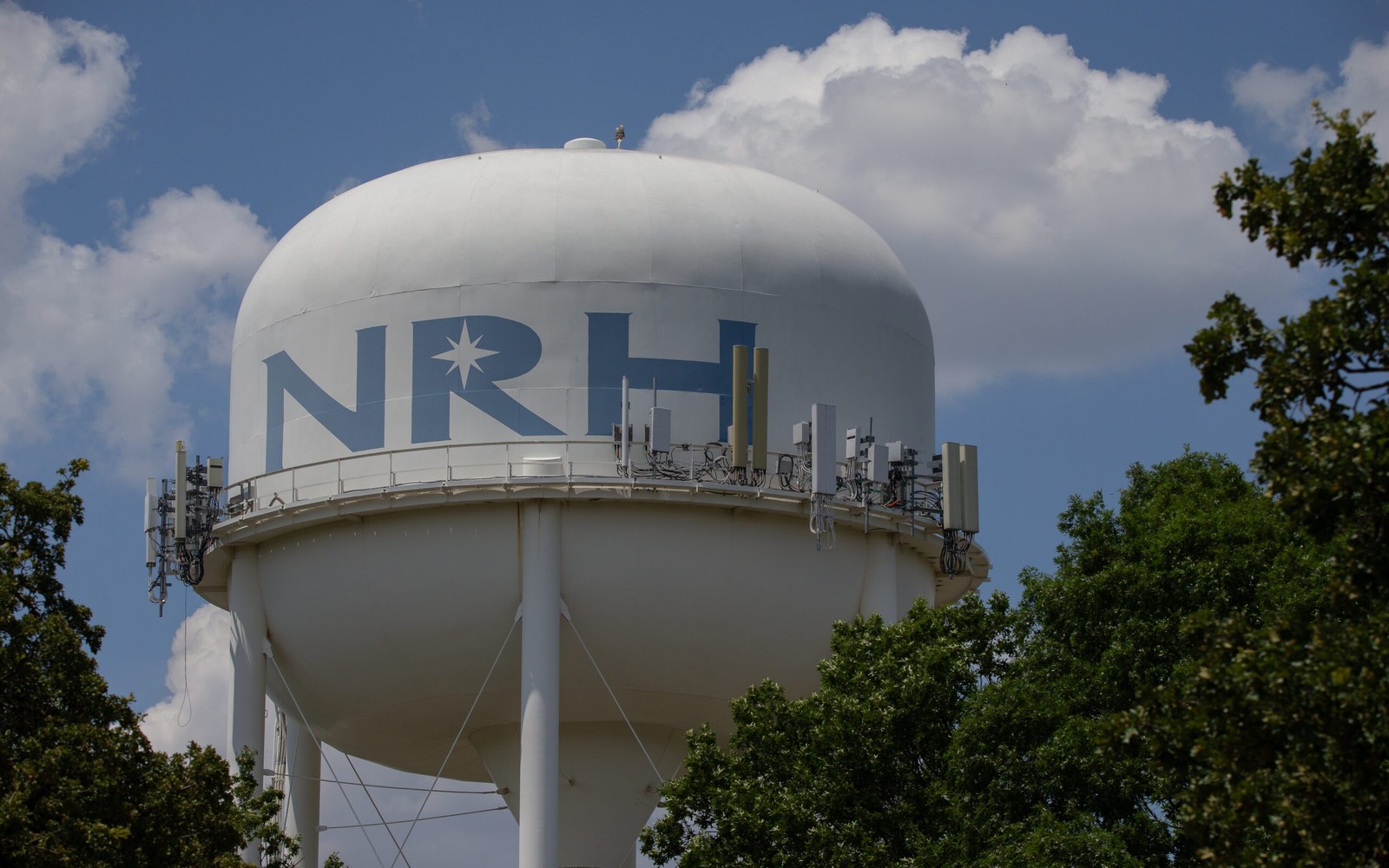
Richland Hills is a small, built-out city inside the Fort Worth metro, sitting over Barnett Shale acreage that was mostly developed by directional drilling from pad sites rather than dense vertical drilling.
Urban Barnett acreage like Richland Hills underwrites a little differently than rural Wise or Johnson County ground, mostly because well spacing and pad locations were constrained by what surface development already existed when drilling happened. That affects how many wells could realistically be drilled under a given tract.
The tract desk also checks whether your tract's unit has seen any recent workover activity, since urban Barnett wells sometimes get revisited by operators looking to optimize existing infrastructure rather than drill new laterals in built-out areas.
In built-out cities, operators generally drilled fewer, longer horizontal laterals from limited pad sites rather than the denser well spacing you'd see in open ranch country. That means your interest may be captured under a single well or a small handful, and the tract desk confirms exactly which unit applies to your specific tract before quoting.
It also means there's typically little to no additional drilling likely on already-developed urban tracts, so the offer leans more heavily on the existing well's remaining decline than on future development potential.
Because urban Barnett development can involve overlapping pooled units, the tract desk pulls your specific division order and the unit plat before finalizing a number, so we're both looking at the same well and the same percentage interest.
Every review begins with the county record, legal description, ownership fraction, lease position, producing status, wells, units, and paid decimal. Surface location can help find a tract, but it does not prove the mineral interest or participation in nearby development.
Formation, field, well vintages, spacing, operator acreage, offsets, permits, and development pace around a subject tract belong in separate evidence lanes. The property's own history carries more weight than activity that does not include the acreage.
Statements, division orders, unit records, volumes, prices, taxes, deductions, downtime, adjustments, burdens, and decimal changes should reconcile before current revenue or remaining production is projected for the tract.
The written purchase file should identify the right conveyed, county, legal description, fractions or acres, depths, products, wells, units, reservations, effective date, receivables, title standard, adjustment rights, funding, and recording sequence.
Texas owner file
Resolve these owner questions before a Texas mineral purchase is reduced to a single dollars-per-acre number.
In already built-out areas like Richland Hills, additional drilling is unlikely due to surface constraints, so the tract desk underwrites mainly off the existing well's remaining production.
The tract desk pulls your division order and the unit plat from county and Railroad Commission records to confirm the exact well and percentage before quoting.
The gas itself isn't different, but urban wells were often drilled as long laterals from limited pad sites, which affects how many wells serve a given tract.
Usually three to five weeks from signed offer, once title and division order confirmation are complete.
Yes, workovers on existing wellbores are more common in built-out areas than new drilling, and the tract desk checks for that activity since it can affect a mature well's production profile.
Texas tract board
The same county record, lease position, and production history carry into these Texas property checks.
The Homesteads sits over Johnson County's Barnett core. The tract desk underwrites off real well decline data and buy small rural mineral interests direct.
Poteet sits in Atascosa County near the Eagle Ford's northern edge. We buy mineral and royalty interests directly and underwrite off real well performance.
The Colony sits over Denton County's Barnett Shale, mostly legacy production now. The tract desk underwrites off actual decline data before making a direct offer.
Buy Mineral Rights Texas
Send the county, property description, producing status, operator or well name, and the documents already available.
Notifications