Sell Mineral Rights in Tilden, TX
Tilden is the McMullen County seat, sitting in the Eagle Ford's productive core. The tract desk underwrites off real decline data before a direct cash offer.
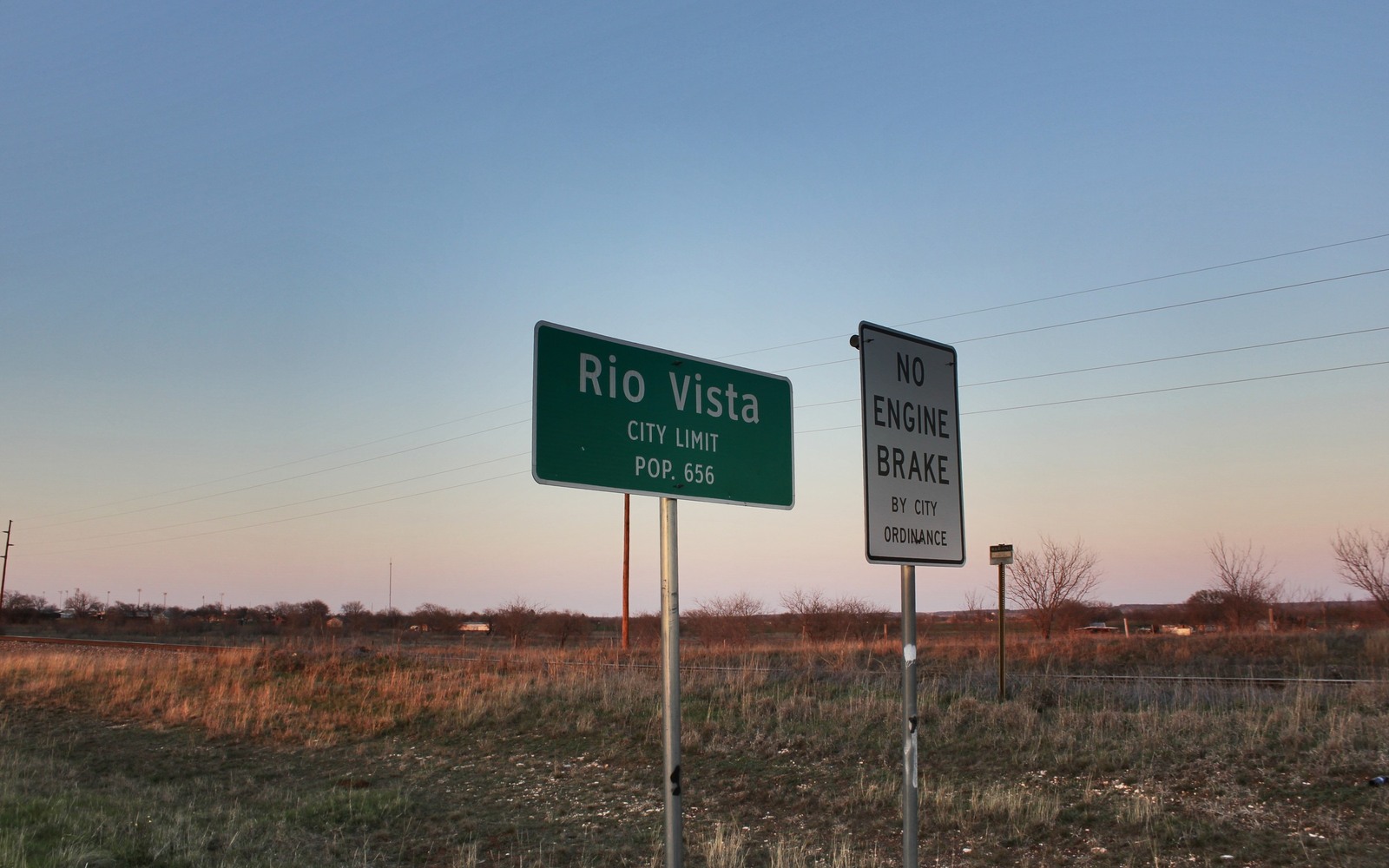
Rio Vista is a small Johnson County town in the southern part of the Barnett core, where drilling has been steady enough over the years to give the tract desk solid comparison data.
Johnson County sits alongside Tarrant as one of the strongest parts of the Barnett core, and Rio Vista-area interests generally come with a real production history the tract desk can underwrite off directly. The tract desk still verifies current status well by well, since not every well in a county performs the same.
The tract desk also asks whether you've received any recent correspondence from the operator about a new unit or pooling designation, since that can sometimes signal upcoming changes to your interest before it shows up clearly on a statement.
Most Rio Vista-area Barnett wells are years into production and sitting on a shallow decline tail. The tract desk uses your statement history to model where the well is likely headed over the next several years, then weigh that against current gas pricing to land on an offer.
If your statements show a recent uptick rather than the expected slow decline, the tract desk checks for a nearby refrac or workover before assuming that's the new baseline going forward.
A deed or division order and recent royalty statements. If you've got several years of history, even better -- it lets the tract desk builds a more precise decline model instead of extrapolating from a short window.
Every review begins with the county record, legal description, ownership fraction, lease position, producing status, wells, units, and paid decimal. Surface location can help find a tract, but it does not prove the mineral interest or participation in nearby development.
Formation, field, well vintages, spacing, operator acreage, offsets, permits, and development pace around a subject tract belong in separate evidence lanes. The property's own history carries more weight than activity that does not include the acreage.
Statements, division orders, unit records, volumes, prices, taxes, deductions, downtime, adjustments, burdens, and decimal changes should reconcile before current revenue or remaining production is projected for the tract.
The written purchase file should identify the right conveyed, county, legal description, fractions or acres, depths, products, wells, units, reservations, effective date, receivables, title standard, adjustment rights, funding, and recording sequence.
Texas owner file
Resolve these owner questions before a Texas mineral purchase is reduced to a single dollars-per-acre number.
Generally yes, it's part of the core trend with comparable results in many areas, though the tract desk still checks your specific well rather than assuming county-wide performance.
That can indicate a refrac or workover on the well. The tract desk checks for that before treating the higher volume as the new normal in its model.
A few months is enough to start, but more history lets the tract desk builds a tighter, more confident decline model.
Yes, the tract desk can quote your individual share or coordinate with the whole family, whichever you prefer.
Send it the tract desk's way -- a pooling or unitization notice can affect your interest, and it factors that into the underwriting rather than working off outdated unit information.
Texas tract board
The same county record, lease position, and production history carry into these Texas property checks.
Tilden is the McMullen County seat, sitting in the Eagle Ford's productive core. The tract desk underwrites off real decline data before a direct cash offer.
Chico sits on the western edge of the Barnett Shale in Wise County. The tract desk quotes against your actual well production, not a rule-of-thumb county price.
This small Tarrant County city sits over dense Barnett pooling near Arlington. The tract desk quotes your decimal interest against real unit production.
Buy Mineral Rights Texas
Send the county, property description, producing status, operator or well name, and the documents already available.
Notifications