Sell Mineral Rights in Bridgeport, TX
Underwriting Barnett Shale minerals near Bridgeport, TX, one of Wise County's larger towns with a long, dense drilling history.
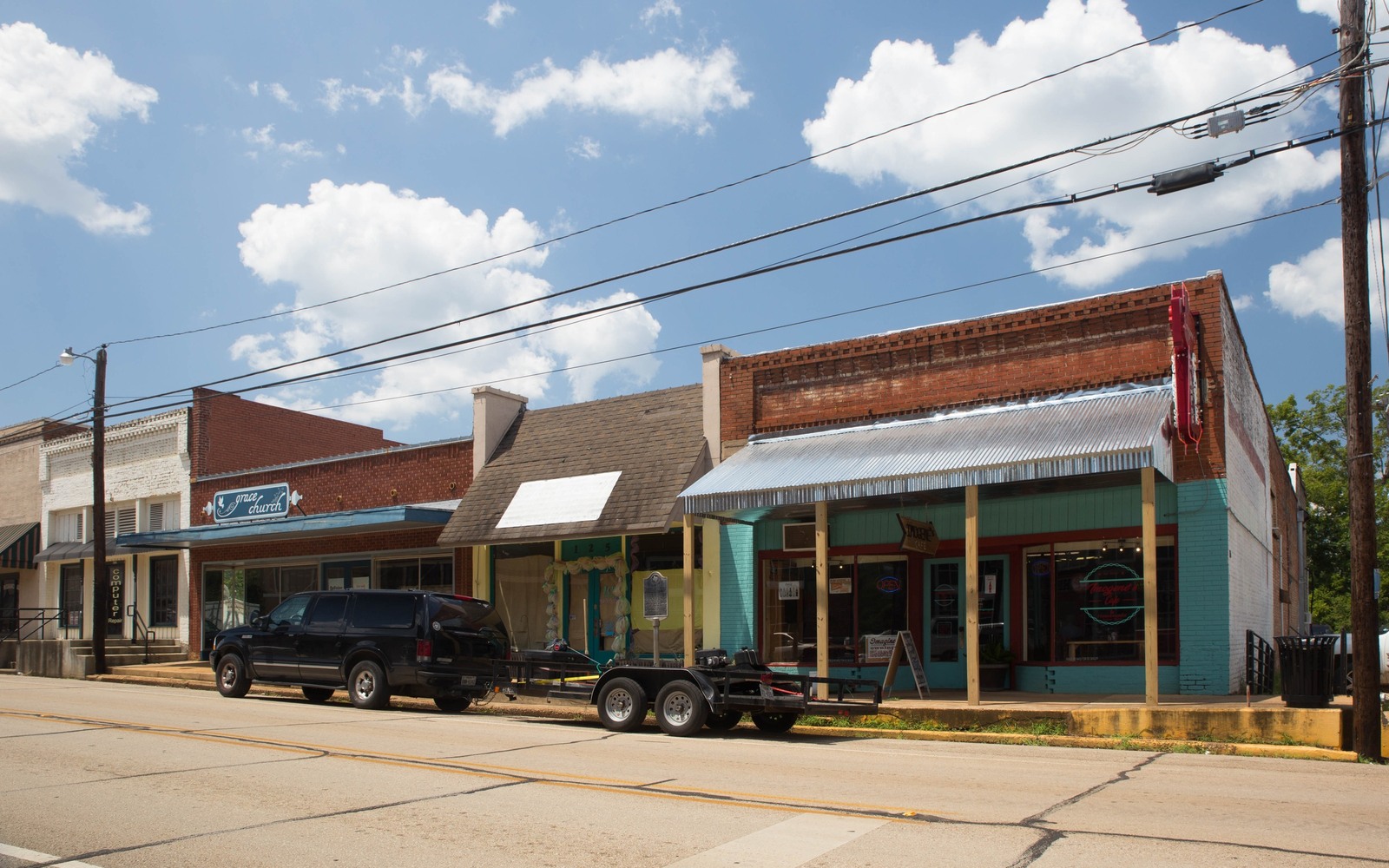
San Augustine is the county seat of San Augustine County, a small East Texas town sitting toward the eastern edge of the Texas Haynesville play rather than dead in the core counties to the west.
The tract desk underwrites San Augustine-area interests the same way it would anywhere in the Haynesville, but it is upfront that this part of the play has seen a different pace of development than core counties like Panola or Harrison. That affects how the tract desk weigh existing production against future development potential.
Wells here still follow the general Haynesville pattern -- a large share of lifetime gas production in the first year or two, then a long, flatter tail. But because this county sits toward the eastern edge of the Texas portion of the play, the tract desk leans more heavily on your specific well's own statement history than on a deep set of nearby comparables, since there simply aren't as many densely-drilled analog wells out here.
If gas prices strengthen, the tract desk has seen operators show renewed interest in edge-of-core acreage like this, so it checks current Railroad Commission permits near your tract before quoting, rather than assuming quiet recent activity means nothing's changing.
Much of San Augustine's mineral ownership traces to longtime East Texas farm and timber families, often with relatively straightforward title compared to some other parts of the state. The tract desk still confirms the full chain through the county clerk's office before making any offer, and it can work with a single heir's share or a full family group.
Every review begins with the county record, legal description, ownership fraction, lease position, producing status, wells, units, and paid decimal. Surface location can help find a tract, but it does not prove the mineral interest or participation in nearby development.
Formation, field, well vintages, spacing, operator acreage, offsets, permits, and development pace around a subject tract belong in separate evidence lanes. The property's own history carries more weight than activity that does not include the acreage.
Statements, division orders, unit records, volumes, prices, taxes, deductions, downtime, adjustments, burdens, and decimal changes should reconcile before current revenue or remaining production is projected for the tract.
The written purchase file should identify the right conveyed, county, legal description, fractions or acres, depths, products, wells, units, reservations, effective date, receivables, title standard, adjustment rights, funding, and recording sequence.
Texas owner file
Resolve these owner questions before a Texas mineral purchase is reduced to a single dollars-per-acre number.
Not the core -- it sits toward the eastern edge of the Texas portion of the play, which the tract desk factors into how it weigh existing production versus future development potential.
That's standard Haynesville behavior -- a large share of lifetime gas production comes early, then the well settles into a longer, flatter tail. The tract desk prices off where it stands now.
It moves in cycles with gas prices; the tract desk checks current permits near your specific tract before quoting rather than assuming based on the broader play.
Often relatively clean given long-held family ownership, but the tract desk confirms it fully through the courthouse before finalizing any offer.
Texas tract board
The same county record, lease position, and production history carry into these Texas property checks.
Underwriting Barnett Shale minerals near Bridgeport, TX, one of Wise County's larger towns with a long, dense drilling history.
Prosper is one of the fastest-growing Denton County suburbs, built over land with Barnett Shale mineral rights leased decades earlier. We buy interests directly.
River Oaks is a small city inside Tarrant County's Barnett Shale core. The tract desk underwrites urban mineral interests here with the same care as rural ones, just different.
Buy Mineral Rights Texas
Send the county, property description, producing status, operator or well name, and the documents already available.
Notifications