Sell Mineral Rights in Culberson County, TX
Culberson County sits deep in the Delaware Basin near Van Horn. The tract desk underwrites Wolfcamp and Bone Spring tracts by unit, well vintage, and offset activity.
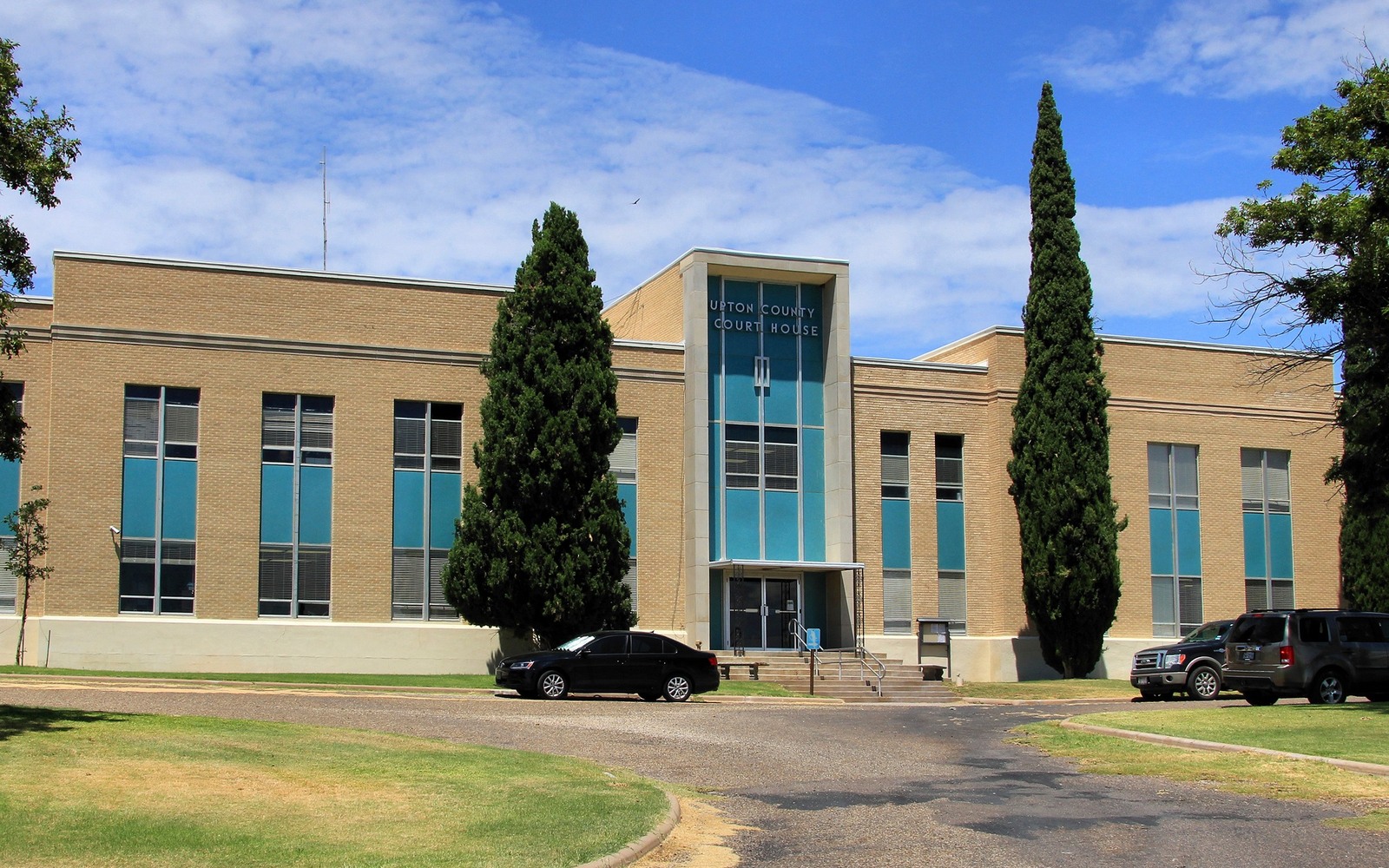
Rankin sits in the middle of some of the most heavily stacked pay in the Midland Basin, and Upton County minerals get bought and sold based on which of those stacked zones is actually completed under your tract.
The tract desk worked the Midland Basin side of this business before it moved to buying interests outright, and Upton County is a good example of why a single county-wide multiplier is a bad way to price minerals. You can have two tracts a mile apart, one under a three-well Wolfcamp A unit and the other only held by a shallow legacy well from decades ago, and they are not worth the same number per acre.
If you hold minerals, a royalty, or a non-participating interest in Upton County, the tract desk pulls the actual completion data before it offer anything. That means looking at which bench is producing, whether the operator has downspaced the unit since your interest was created, and how the well's current rate compares to its early months.
Upton County sits well inside the Midland Basin core, where operators have been drilling and completing multiple horizontal benches in the same section for years: Spraberry, Wolfcamp A, B, and sometimes C. That stacking is good for owners in one sense, more zones mean more potential development, but it also means your existing royalty check might reflect only one bench while three others sit untested or held in reserve under the same unit.
When the tract desk underwrites here it asks what has actually been drilled and completed, not what could theoretically be drilled someday. A speculative second or third bench does not go into the tract desk's offer as guaranteed value; it factors in only as upside it is willing to price conservatively, because permits change and operator plans shift with commodity prices.
Rankin is a small county seat, and a lot of the mineral ownership in Upton County traces back to ranching families who held the land for generations before horizontal drilling made the deep Wolfcamp economic. Many current owners are heirs several generations removed from whoever originally patented or bought the ranch, and the mineral estate has often been severed from the surface for decades, sometimes split among a dozen or more cousins by the time it reaches you.
That kind of fractionation is normal here and it does not scare the tract desk off. The tract desk has bought 1/64th interests and smaller when the underlying well justifies it. What matters more is whether your interest is clean enough to close in a reasonable timeframe or whether it needs a title curative step first, which the tract desk will tell you upfront.
The tract desk starts with your division order decimal and confirm it against the Railroad Commission's lease and unit records. Then the tract desk model the well's decline against comparable Wolfcamp horizontals in the same part of the basin, since Upton County has enough drilling history now to build a real curve rather than guess from a type well far away. Commodity price assumptions get baked in conservatively, not at whatever oil happens to be trading at the week the tract desk quotes you.
The last piece is offset activity. If operators are actively permitting or completing wells on adjacent sections, that tells the tract desk something about near-term development risk and opportunity that a flat production report alone will not. The tract desk weigh all of that into a single number, and it would rather walk you through how it got there than hand you a figure with no explanation behind it.
Texas owner file
Resolve these owner questions before a Texas mineral purchase is reduced to a single dollars-per-acre number.
The tract desk prices the producing zone based on its actual decline and reserves, and it treats any undrilled bench as separate upside that gets weighed conservatively, not counted at full value, since permitting and completion plans can change with commodity prices.
No. Small fractional interests are common in Upton County given how many generations of heirs the original ranch land has passed through, and the tract desk regularly buys interests well under one percent when the well behind them justifies it.
It can, in both directions. Active offset permitting is a signal of continued development interest, but it also means the basin around your tract is changing, so the tract desk looks at recent permits and completions before quoting rather than relying on older data.
A copy of a recent division order or check stub is the fastest starting point. From there the tract desk can pull the well and unit records directly and come back with questions only if something in the title needs clarifying.
Texas tract board
The same county record, lease position, and production history carry into these Texas property checks.
Culberson County sits deep in the Delaware Basin near Van Horn. The tract desk underwrites Wolfcamp and Bone Spring tracts by unit, well vintage, and offset activity.
Dimmit County sits in the deep, rich core of the Eagle Ford. The tract desk underwrites Carrizo Springs-area tracts against real production and offset activity.
We buy mineral and royalty interests across Parker County, TX. See how mature Barnett Shale gas wells west of Fort Worth get underwritten before an offer.
Buy Mineral Rights Texas
Send the county, property description, producing status, operator or well name, and the documents already available.
Notifications