Sell Mineral Rights in Gonzales County, TX
Gonzales County was one of the original Eagle Ford discovery areas. The tract desk underwrites mineral and royalty interests here against real horizontal well decline data.
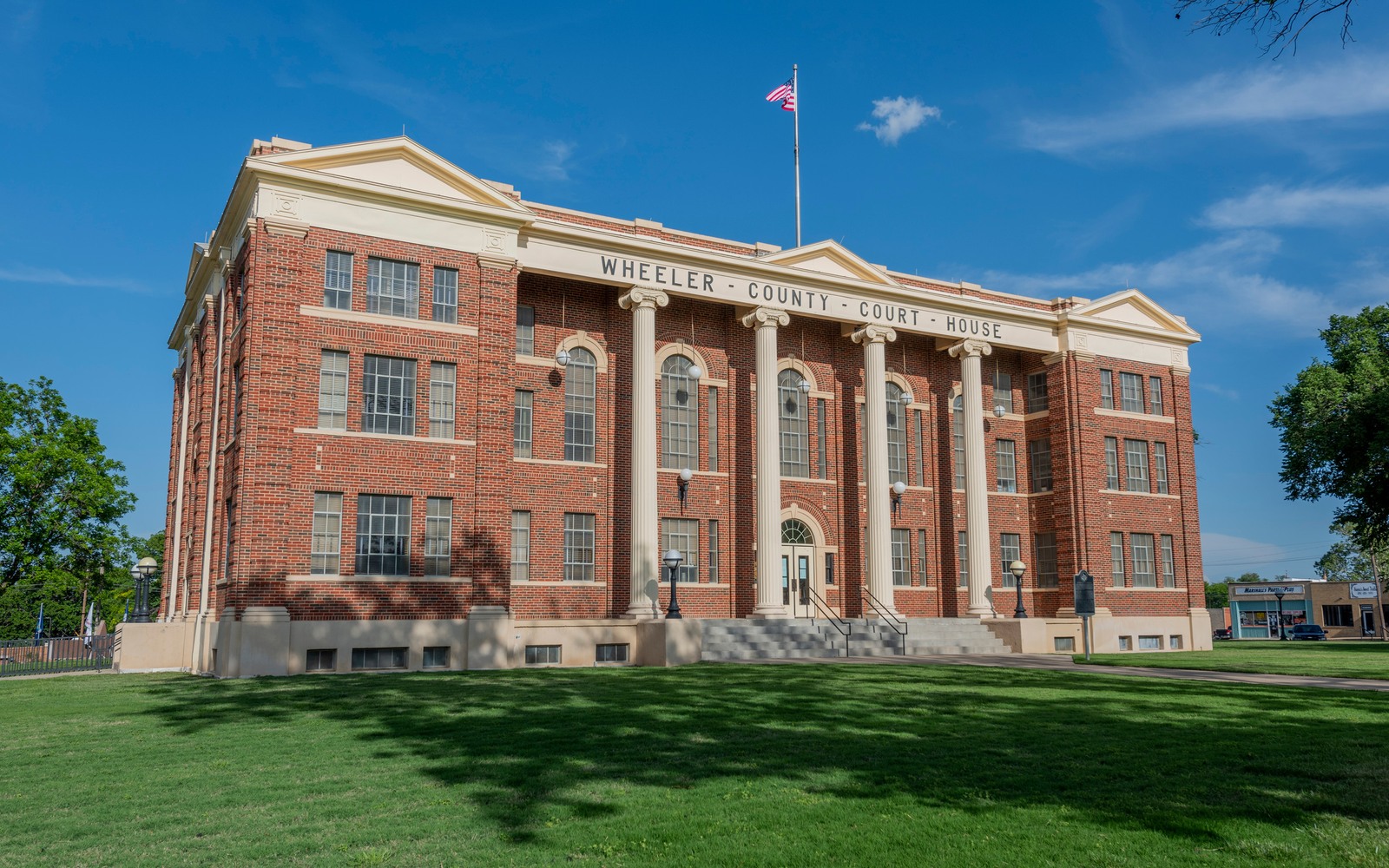
Wheeler County has been producing oil and gas from the Texas Panhandle side of the Anadarko Basin since long before the shale era, and that long history is actually an advantage when the tract desk underwrites an interest here.
Most people think of the Anadarko Basin's Granite Wash and Cleveland trend as an Oklahoma story, but Wheeler County sits right on the Texas side of that same play, and it has decades of drilling behind it, first vertical, later horizontal in the tight Granite Wash sands. That depth of history means the tract desk is rarely underwriting a Wheeler County well off a bare type curve; there is usually real production data to work from, sometimes going back thirty or forty years on a single lease.
If you inherited a royalty interest from a family that has owned Panhandle ranch land for generations, or you picked up an interest more recently through a purchase or estate, the tract desk wants to look at the specific well and lease before quoting anything. Wheeler County is not uniform, and neither is what the tract desk will offer for two different tracts in it.
A lot of Wheeler County acreage has multiple generations of wells on it: an old vertical well from decades back that may still be producing at a low, stable rate, and in some units a newer horizontal targeting the tight Granite Wash or Cleveland sand that came along later. When the tract desk underwrites here it has to identify which wells are actually paying your specific interest, because a legacy vertical and a modern horizontal do not decline the same way or carry the same reserve life.
Older wells in this county often show a long, flat tail that is easy to project conservatively. Horizontal Granite Wash wells behave more like other unconventional plays, with a steeper initial decline followed by a longer shallow phase, so the tract desk model those separately rather than blending the two into one curve.
Wheeler is a small county seat, and much of the mineral ownership in the county traces back to ranching and farming families who have held land here since well before the oil and gas industry arrived. It is common for a current owner to hold a fractional interest that was divided among heirs multiple generations back, sometimes with old leases still on the books from decades ago that were amended or ratified more than once.
That layered lease history means the tract desk reads the actual lease documents in addition to the current division order before it quotes a number. An old lease term, a pooling clause, or a Pugh clause from the original agreement can affect how your interest behaves going forward, and the tract desk wants that accounted for correctly.
Because Wheeler County has both legacy and modern production, commodity mix matters more here than in a pure oil or pure gas play. Granite Wash wells typically produce a mix of gas, condensate, and natural gas liquids, and the relative prices of those streams shift the revenue picture in ways a single oil price assumption would miss. The tract desk model each stream separately using conservative, hedged pricing rather than whatever the spot market happens to be doing the week it quotes.
The tract desk also checks for any recent permits or workovers on nearby units, since renewed interest in the Granite Wash from operators can signal near-term upside that a flat historical curve alone would not capture. Either way, the tract desk would rather explain its reasoning than hand you a number with no basis behind it.
Texas owner file
Resolve these owner questions before a Texas mineral purchase is reduced to a single dollars-per-acre number.
It can. The tract desk reads the actual lease terms, including pooling and Pugh clauses, because older agreements sometimes behave differently than a modern lease, and that gets factored into how it underwrites the interest.
That is one of the first things the tract desk confirms, since the two types of wells decline very differently. The tract desk pulls the Railroad Commission records for your specific lease to identify which wells are actually paying your interest.
Yes. The tract desk model each production stream separately using hedged, conservative pricing rather than a single blended number, since Wheeler County wells typically produce more than one commodity stream.
Both exist here. Some units still see periodic permits and workovers, while others are purely legacy production at this point, so the tract desk checks current activity on and near your specific unit before quoting.
The biggest difference is the commodity mix and the age of the field. Wheeler County wells often blend gas, condensate, and natural gas liquids on a much longer production timeline than a typical Permian oil well, so the underwriting model weighs each stream on its own terms.
Texas tract board
The same county record, lease position, and production history carry into these Texas property checks.
Gonzales County was one of the original Eagle Ford discovery areas. The tract desk underwrites mineral and royalty interests here against real horizontal well decline data.
Harrison County sits in the East Texas Haynesville trend. The tract desk underwrites mineral and royalty interests here against real horizontal well data, county by county.
We buy Live Oak County mineral and royalty interests along the Eagle Ford oil trend near George West and Three Rivers, priced against real well data.
Buy Mineral Rights Texas
Send the county, property description, producing status, operator or well name, and the documents already available.
Notifications