Sell Mineral Rights in Cresson, TX
Cresson straddles Johnson and Parker counties over Barnett ground. The tract desk underwrites by well and unit, cross-referencing both counties' records.
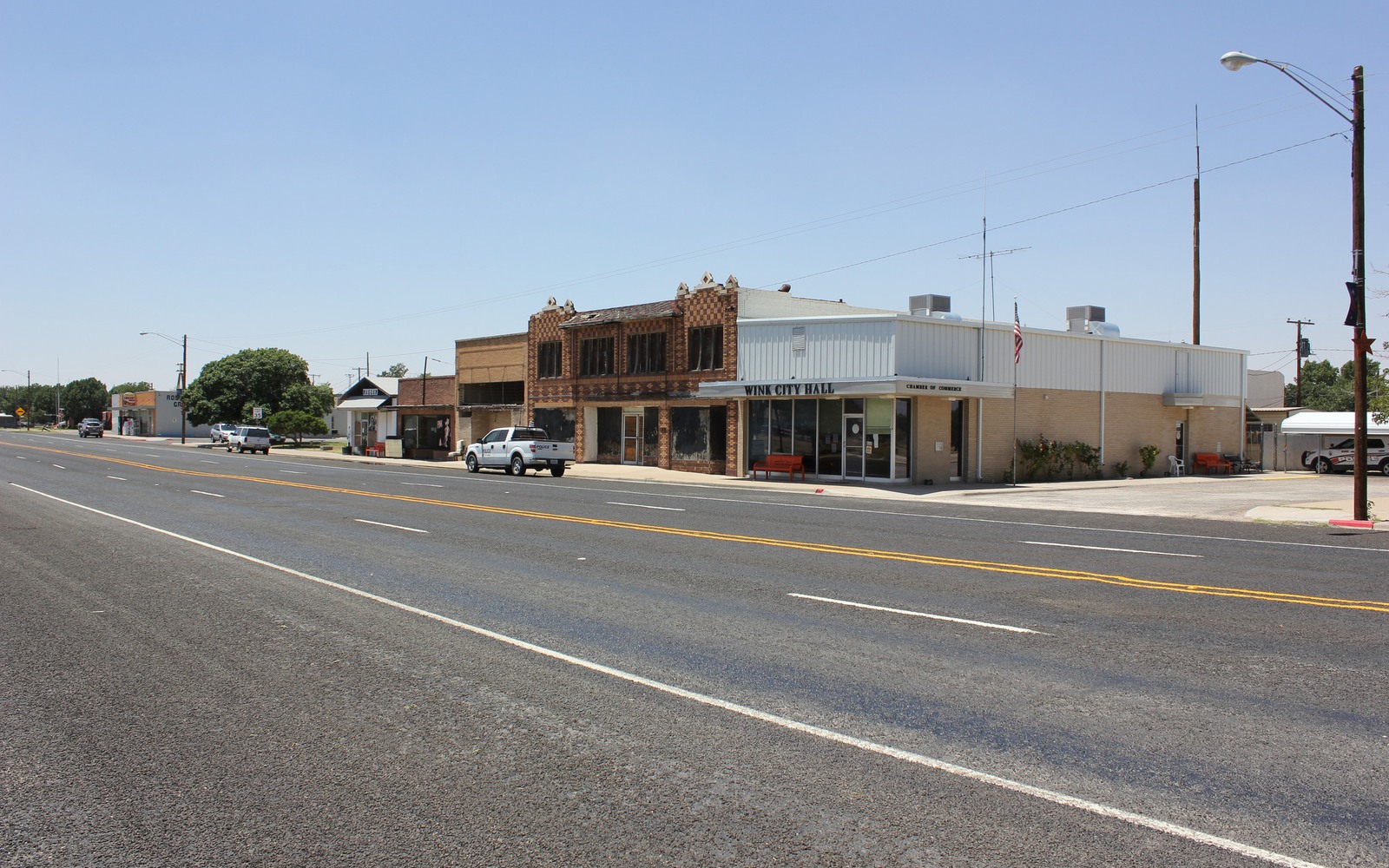
Wink gave its name to one of the oldest producing oil fields in Texas, and by now the ground underneath the town carries nearly a century of drilling history, legacy verticals under newer horizontal development.
Because Wink's field history goes back to the 1920s, title here can carry more old paper than a newer play, and the tract desk does real courthouse work tracing the mineral chain before it ever get to underwriting the well itself. Once title is confirmed, the tract desk identifies whether your interest is tied to an old vertical, a newer horizontal, or commingled production from both.
Legacy wells around Wink often have very long, flat decline tails by now, easy to project conservatively. Newer Delaware Basin horizontals nearby behave differently, with their own real decline curve the tract desk fit from several years of monthly data rather than blending it with the old field's numbers.
Given how old this field is, the tract desk frequently trace mineral chains through decades of deeds, probates, and old severance instruments filed long before digital courthouse indexing existed. The tract desk does that work directly and tell you plainly what, if anything, needs to be cleared before we close.
After title is confirmed and the correct well is identified, the tract desk fit its monthly production to a decline curve, whether that curve is a long, flat legacy tail or a newer horizontal's steeper early decline, and apply conservative, hedged pricing to estimate remaining reserve value. Your decimal interest is applied to that estimate, and the tract desk explains the reasoning at each step.
Every review begins with the county record, legal description, ownership fraction, lease position, producing status, wells, units, and paid decimal. Surface location can help find a tract, but it does not prove the mineral interest or participation in nearby development.
Formation, field, well vintages, spacing, operator acreage, offsets, permits, and development pace around a subject tract belong in separate evidence lanes. The property's own history carries more weight than activity that does not include the acreage.
Statements, division orders, unit records, volumes, prices, taxes, deductions, downtime, adjustments, burdens, and decimal changes should reconcile before current revenue or remaining production is projected for the tract.
The written purchase file should identify the right conveyed, county, legal description, fractions or acres, depths, products, wells, units, reservations, effective date, receivables, title standard, adjustment rights, funding, and recording sequence.
Texas owner file
Resolve these owner questions before a Texas mineral purchase is reduced to a single dollars-per-acre number.
Sometimes to the 1920s or 1930s, given how old this field is. The tract desk traces the chain through Winkler County's older deed books as part of underwriting your interest properly.
The tract desk checks the specific well and lease records against your division order, since Wink often has both legacy and modern wells producing on the same or adjacent tracts.
The tract desk request the allocation records from the operator to confirm how much production is actually attributable to your interest before it finalizes any offer.
Send a division order, check stub, or even an old lease document if that is all you currently have. The tract desk will trace the well and title from there and come back with a clearly explained offer.
Texas tract board
The same county record, lease position, and production history carry into these Texas property checks.
Cresson straddles Johnson and Parker counties over Barnett ground. The tract desk underwrites by well and unit, cross-referencing both counties' records.
Smiley sits in Gonzales County, core Eagle Ford oil window territory. The tract desk underwrites these interests off real decline data from one of the play's strongest counties.
Corinth sits over long-producing Barnett units in Denton County. The tract desk quotes against real division-order decimals, not a flat neighborhood price.
Buy Mineral Rights Texas
Send the county, property description, producing status, operator or well name, and the documents already available.
Notifications