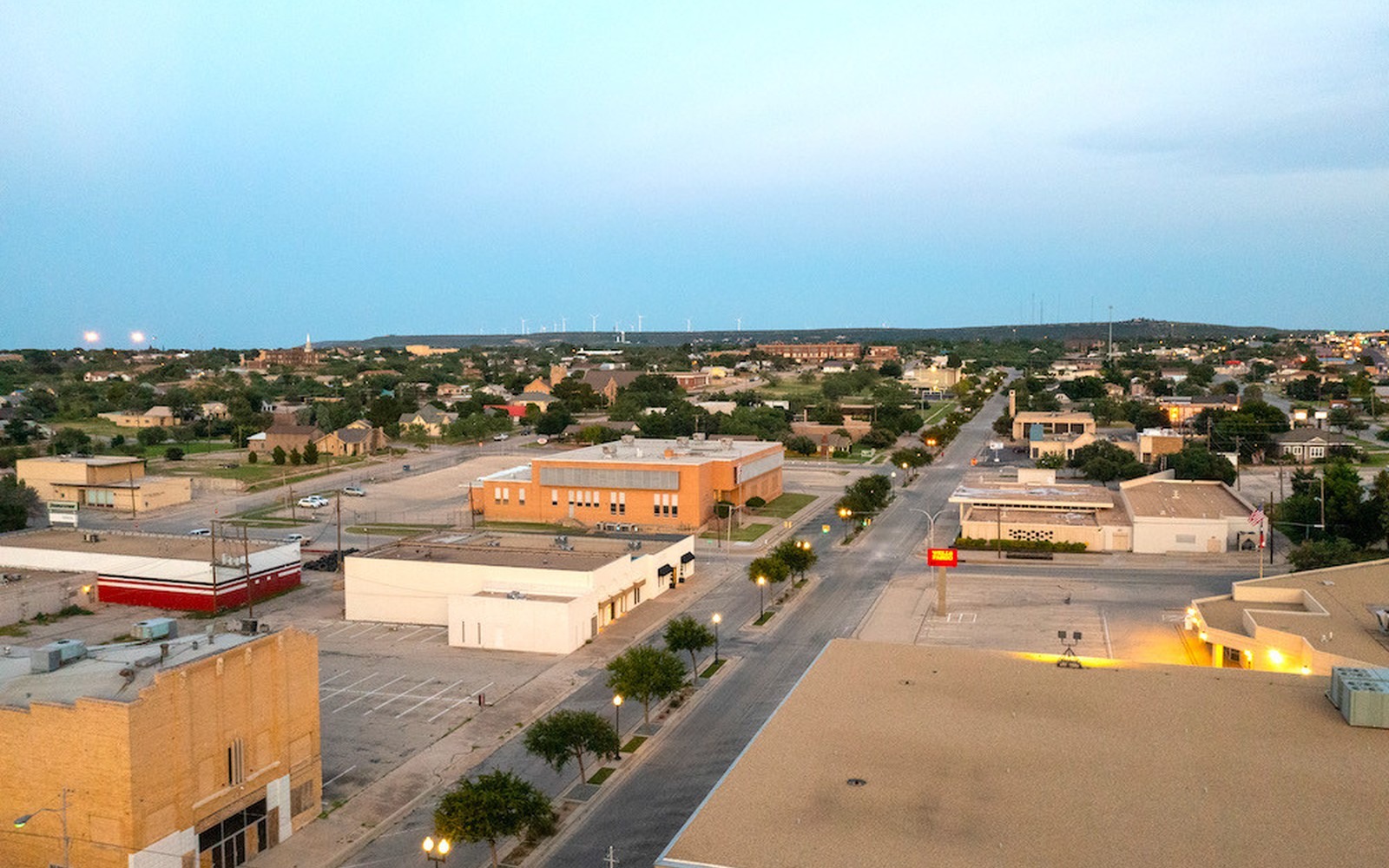
Sell Mineral Rights in Odessa, TX
Odessa mineral owners: we buy interests directly and explain how urban Odessa parcels underwrite differently than surrounding Midland/Ector County acreage.
Howard County has been a working oil county since the 1920s, and Big Spring's long refining and production history means the tract desk is often looking at several eras of development on the same tract.
This part of the Midland Basin was drilled conventionally for decades before horizontal Wolfcamp and Spraberry development arrived more recently. A tract near Big Spring might have an old shallow well from the mid-20th century sitting on the same acreage as a newer horizontal unit, and the tract desk prices those two layers very differently.
Howard County's long production history means a lot of local mineral interests have been generating income, in some cases, for multiple generations. The tract desk checks whether older wells are still active and what their current rate looks like before assuming a tract's value is tied only to newer development.
Where operators have moved into Wolfcamp horizontals near Big Spring, the tract desk checks permits and completions within about a mile of your tract, since that recent activity tends to carry more weight in a current valuation than legacy vertical production alone.
Leases here sometimes date back further than in newer parts of the Permian, which means the tract desk spend extra time confirming whether pooling language from an older instrument actually extends to a modern unit before quoting a number.
Every review begins with the county record, legal description, ownership fraction, lease position, producing status, wells, units, and paid decimal. Surface location can help find a tract, but it does not prove the mineral interest or participation in nearby development.
Formation, field, well vintages, spacing, operator acreage, offsets, permits, and development pace around a subject tract belong in separate evidence lanes. The property's own history carries more weight than activity that does not include the acreage.
Statements, division orders, unit records, volumes, prices, taxes, deductions, downtime, adjustments, burdens, and decimal changes should reconcile before current revenue or remaining production is projected for the tract.
The written purchase file should identify the right conveyed, county, legal description, fractions or acres, depths, products, wells, units, reservations, effective date, receivables, title standard, adjustment rights, funding, and recording sequence.
Texas owner file
Resolve these owner questions before a Texas mineral purchase is reduced to a single dollars-per-acre number.
Often yes, especially if it sits near active modern development. We price legacy production on its own actual output rather than assuming it's worthless simply because it's old.
We evaluate each separately, since older conventional production and newer horizontal wells have very different decline patterns and pricing.
It can add a title research step to confirm pooling language and chain of title, but it doesn't prevent a sale. We flag what to expect before we get to a number.
Three to five weeks with clean title and a current division order is typical. Older leases needing a fuller chain-of-title review can take longer.
Yes, even a modest steady interest has value, and we're happy to look at it, especially given its proximity to more active recent development in the county.
Texas tract board
The same county record, lease position, and production history carry into these Texas property checks.
Odessa mineral owners: we buy interests directly and explain how urban Odessa parcels underwrite differently than surrounding Midland/Ector County acreage.
How a buyer underwrites Atascosa County minerals, from legacy Olmos production near Pleasanton to Eagle Ford oil-window wells drilled since 2010.
Upton County minerals sit in the stacked Spraberry-Wolfcamp. The tract desk underwrites by unit and horizon before quoting, so you get a number tied to your actual well.
Buy Mineral Rights Texas
Send the county, property description, producing status, operator or well name, and the documents already available.
Notifications