Sell Mineral Rights in Panola County, TX
We buy mineral and royalty interests across Panola County, TX, a core Haynesville shale gas county. See how deep gas wells get underwritten before an offer.
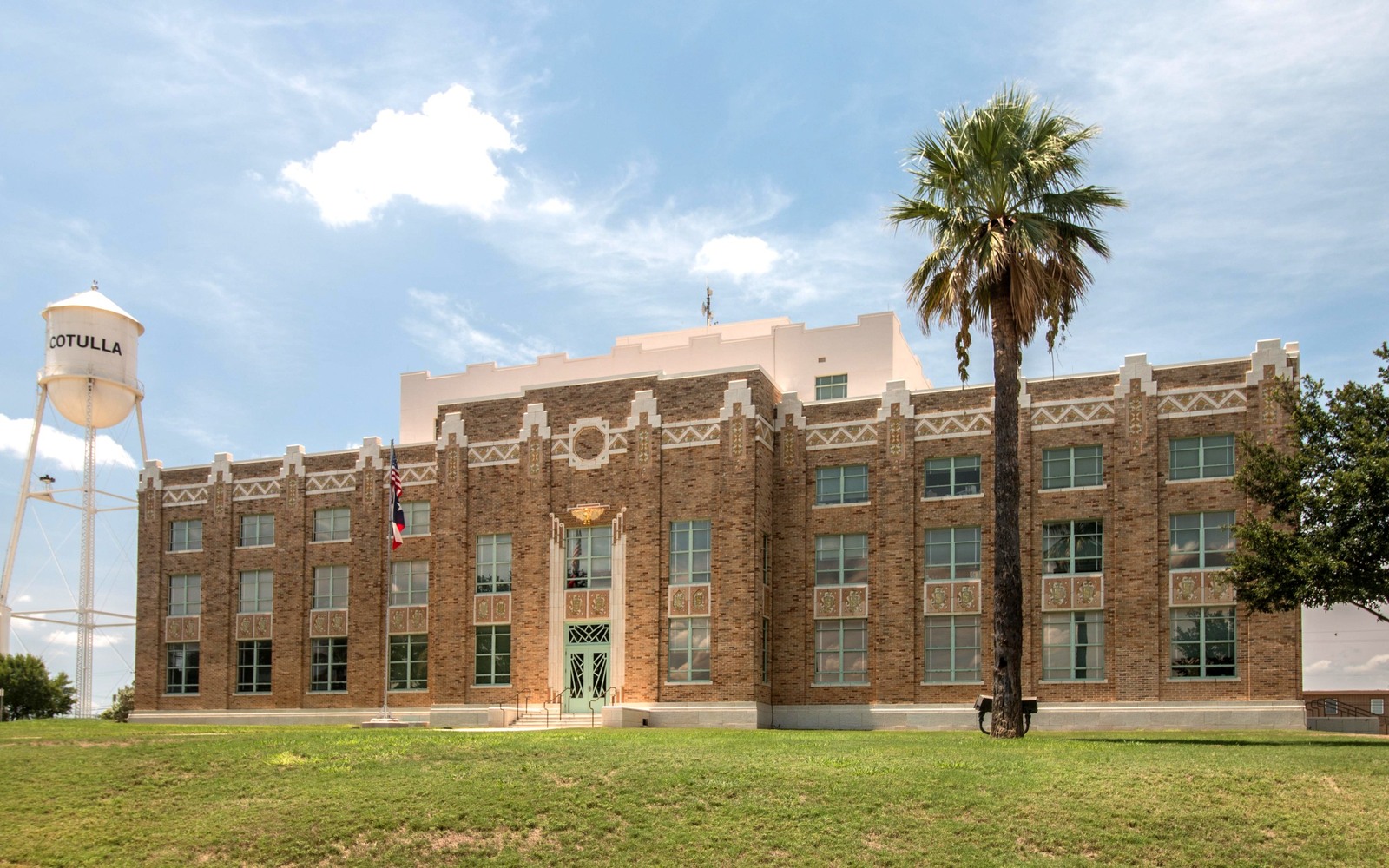
Cotulla sits near the middle of the Eagle Ford's condensate window, and La Salle County has some of the richer per-well economics in the play — which is exactly why the tract desk looks at every well individually before it quotes a number.
La Salle County is gas-and-condensate country. Move east toward the Karnes County line and you're in oilier rock; stay in La Salle and you're mostly looking at condensate yields and rich gas, with plant liquids making up a real share of the revenue on a lot of the leases the tract desk reviews. That mix matters because it means your monthly check is more exposed to natural gas and NGL pricing than a straight oil royalty would be, and it means the operators active around Cotulla, Encinal, and Fowlerton often report differently than a Karnes County oil well would.
The tract desk underwrites La Salle County interests the way it would have underwritten a development plan when it was still working the operations side — pull the unit, check who's operating it now versus who drilled it, look at the last two years of volumes, and figure out what a buyer paying cash today would actually be taking on.
Wells in the La Salle County condensate window tend to have a steeper early decline than the black-oil wells further east, followed by a longer, flatter gas tail. If your royalty check has been dropping fast over the past year or two, that's not necessarily a sign your well is dying — it may just be normal behavior for a condensate well moving past its initial decline into the gas leg. The tract desk looks at where a well is in that curve before it decide what the remaining production is worth.
Gas and NGL pricing swings also hit La Salle County statements harder than they hit a straight oil county. When gas prices dropped in 2023-24, a lot of La Salle County royalty owners saw their checks fall even though the wells were still producing similar volumes. That's a pricing effect, not a depletion effect, and the two get confused constantly by owners trying to read their own statements.
La Salle County has seen consistent horizontal development since the early Eagle Ford years, with a mix of majors and smaller independents holding acreage at different points. Some of the more active development in recent years has come from infill drilling on units that were originally developed with wider spacing, which means a tract that looked fully drilled a decade ago can still see new laterals added to the same unit.
When the tract desk reviews a La Salle County interest, it checks whether there's permitted or recently spudded activity in the surrounding sections, because that tells it more about the near-term trajectory of your royalty than the trailing production numbers alone.
A lot of La Salle County mineral ownership traces back to large historic ranch holdings that got subdivided among heirs over multiple generations, sometimes with the surface and minerals split apart entirely decades ago. It's common for the tract desk to find an interest where the current owner has a small fractional decimal — a few hundredths of a percent — because the original tract was large and the ownership has been divided many times since.
That fractional ownership isn't a problem for a sale, but it does mean the tract desk needs the specific legal description or division order to pin down exactly which unit and well your interest touches, rather than relying on a general sense of where the family ranch used to be.
Once the tract desk has your check stubs and a division order or legal description, it builds a well-by-well or unit-by-unit picture of what's producing, what the decline trend looks like, and what nearby permits suggest about future activity. From there the tract desk put together a cash offer that reflects the actual production behind your interest, with the reasoning laid out so you can see how it got there.
The tract desk is buying to hold, not flipping paper to another buyer at a markup, so there's no reason for it to lowball you and then negotiate up. The tract desk would rather start with a number it can defend.
Texas owner file
Resolve these owner questions before a Texas mineral purchase is reduced to a single dollars-per-acre number.
Most of the time it's gas and NGL pricing, not the well running dry. La Salle County is condensate and rich-gas country, so your revenue moves more with commodity pricing than a straight oil royalty would.
Yes. Because a lot of La Salle County ownership has been divided across generations, small decimal interests are common, and the tract desk still underwrites and buy them as long as it can confirm the unit and the interest.
It depends on where in the county your tract sits. The tract desk checks the specific unit rather than guessing off county lines, since the window shifts gradually as you move east toward Karnes County.
Recent check stubs, a division order, and a legal description or property ID from the county appraisal district. Any of those alone is usually enough for the tract desk to start pulling well and permit data.
Often yes, though the tract desk will want to understand why funds are suspended before closing — usually a title cleanup item — since it affects both the offer and the timeline.
Texas tract board
The same county record, lease position, and production history carry into these Texas property checks.
We buy mineral and royalty interests across Panola County, TX, a core Haynesville shale gas county. See how deep gas wells get underwritten before an offer.
Own Barnett Shale minerals under Fort Worth or the suburbs? The tract desk underwrites Tarrant County royalty interests county by county and give you a real number, fast.
Fort Worth sits at the heart of the Barnett Shale's original core. The tract desk underwrites urban Barnett interests against real production history and current gas pricing.
Buy Mineral Rights Texas
Send the county, property description, producing status, operator or well name, and the documents already available.
Notifications