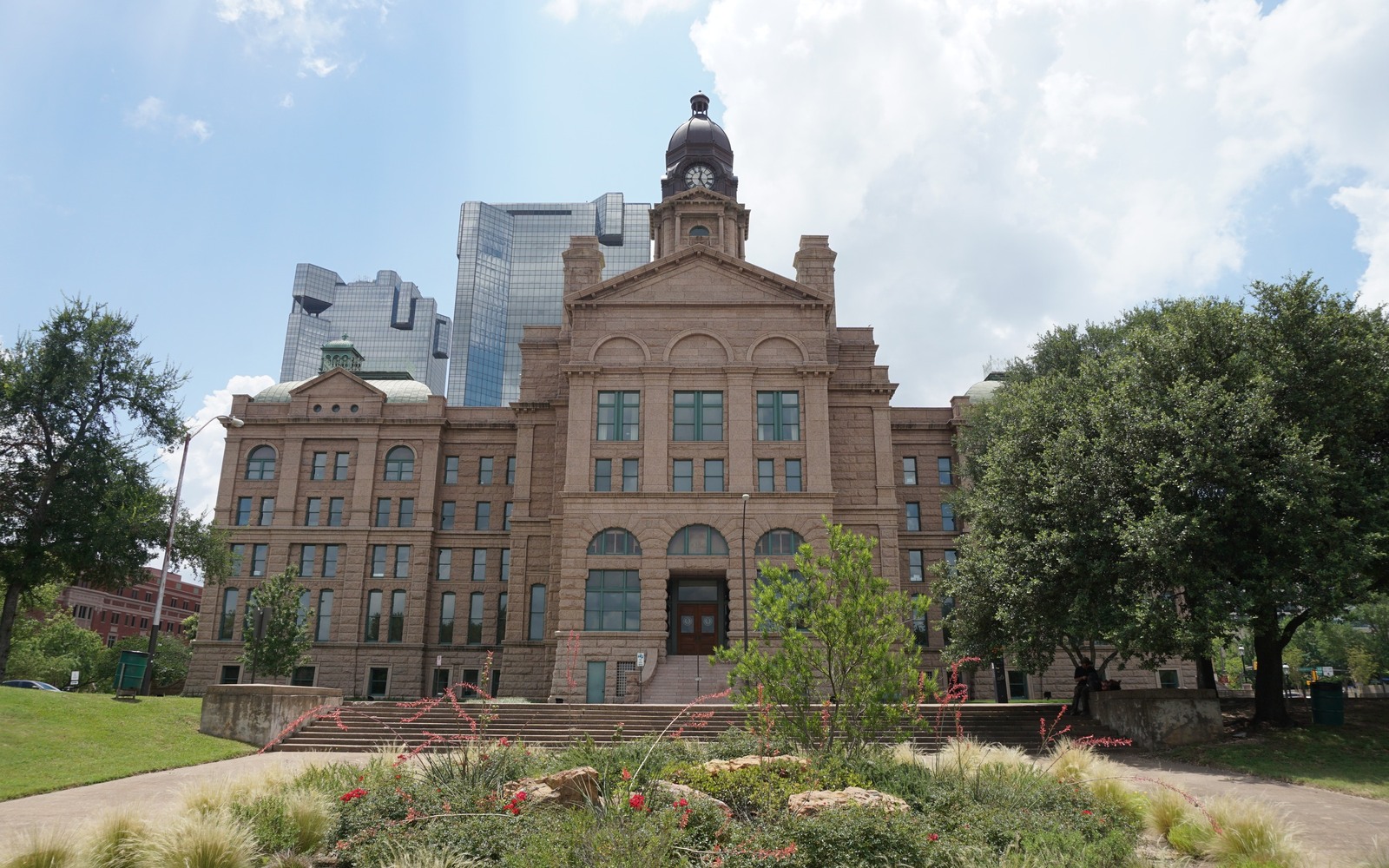
Sell Mineral Rights in Fort Worth, TX
Fort Worth sits at the heart of the Barnett Shale's original core. The tract desk underwrites urban Barnett interests against real production history and current gas pricing.
Tarrant County minerals are unlike almost anywhere else in Texas: the wells are under subdivisions, church parking lots, and school property, not ranchland, and that changes how the tract desk underwrites them.
The tract desk spent years on the operating side before it started buying interests directly, and Tarrant County was one of the strangest fields it ever worked. The Barnett Shale here got developed inside the Fort Worth city limits during the 2000s boom, which means the mineral estate under this county is fragmented into thousands of small tracts, urban lots, and old family parcels that got leased once, drilled once, and mostly forgotten by the people who inherited them.
If you own a royalty or non-participating mineral interest tied to a Barnett well in Tarrant County, the tract desk wants to look at the actual production history before it put a number in front of you. This county has some of the longest-producing horizontal Barnett wells in the play, and decline behavior varies block by block depending on when the well was drilled and how it was completed.
Most of the Barnett Shale wells in Tarrant County were drilled between roughly 2005 and 2010, which puts them well past the steep early decline and into a long, shallow tail. That tail matters to how the tract desk prices an interest. A well drilled in 2007 with fifteen-plus years of check history gives the tract desk a real decline curve to underwrite against, not a projection. That is different from newer plays where the tract desk is buying against an estimated type curve.
The other wrinkle is urban spacing. Because these wells sit under platted subdivisions, the drilling units are often smaller and more oddly shaped than a rural section, and a lot of Tarrant County owners hold a fractional interest carved out of a much larger unit through pooling. The tract desk pulls the unit designation and your decimal interest before it quotes anything, because a 0.0009 net revenue interest and a 0.02 interest in the same field are two very different offers.
A large share of what the tract desk buys in Tarrant County traces back to a single homeowner or small family parcel that got included in a pooled unit when a nearby pad was permitted. Many current owners never signed a lease themselves; they inherited a mineral interest from a parent who bought a house here decades before the Barnett was ever drilled and never separated the minerals when they sold or passed the property along.
That history means title can get tangled fast across heirs, especially where a property changed hands multiple times without anyone reserving or tracking the mineral estate separately. If your interest is still tied up in an open probate or split among siblings who disagree on what to do, the tract desk has bought interests in that exact situation and can structure the purchase around it rather than asking you to clear everything first.
The tract desk starts with the well's production record from the Railroad Commission, then look at your division order and check stub history to confirm the decimal interest matches what is actually paying you. From there the tract desk model where the well sits on its decline curve and what offset activity, if any, is still happening nearby. Fort Worth's Barnett is largely a legacy field now, so the tract desk is not underwriting speculative upside; it is underwriting a known, aging revenue stream and pricing it against that reality.
Title is the other half. In Tarrant County that often means confirming your interest through a chain of city or suburban deed records rather than a rural courthouse plat, and in some pockets it means untangling a homeowners' association-era subdivision plat from the original mineral reservation. The tract desk does that work directly before it brings you a number, so the offer you see is one it can actually close.
Texas owner file
Resolve these owner questions before a Texas mineral purchase is reduced to a single dollars-per-acre number.
Yes. Most of what trades in this county is small and fractional by nature because of how the urban units were pooled. The tract desk underwrites those the same way it underwrites a larger rural interest, just scaled to the decimal.
Not necessarily less, just different. A well with a long production history gives the tract desk more data to underwrite against, so pricing is based on the actual decline curve rather than a projection, and that can cut both ways depending on how flat the tail has been.
Pull your county deed records and any division order you have received checks under, or send the tract desk what you have and it will trace it. It is common in Tarrant County for owners to not realize the minerals were reserved separately from the surface.
It is largely a legacy field at this point, with very little new drilling inside the city limits. Value here is driven by the existing production stream and remaining reserves, not new well announcements, so offers are priced accordingly.
Texas tract board
The same county record, lease position, and production history carry into these Texas property checks.
Fort Worth sits at the heart of the Barnett Shale's original core. The tract desk underwrites urban Barnett interests against real production history and current gas pricing.
How Midland Basin minerals near Big Spring, TX in Howard County are underwritten across decades of conventional and modern Wolfcamp production.
Odessa mineral owners: we buy interests directly and explain how urban Odessa parcels underwrite differently than surrounding Midland/Ector County acreage.
Buy Mineral Rights Texas
Send the county, property description, producing status, operator or well name, and the documents already available.
Notifications