Sell Mineral Rights in Los Fresnos, TX
We buy Eagle Ford mineral and royalty interests around Los Fresnos, Webb County, underwritten against gas well production and current pricing.
Lipscomb, the small county seat itself, sits at the center of a Panhandle gas-producing area that's been active in cycles for decades.
Because this community is the county seat, the tract desk often find more complete historical records here than in some of the surrounding rural sections, which actually makes title work a bit more straightforward.
The tract desk also checks whether your interest has ever been part of a unit that saw a workover or recompletion, since older Panhandle gas wells are sometimes reworked rather than replaced.
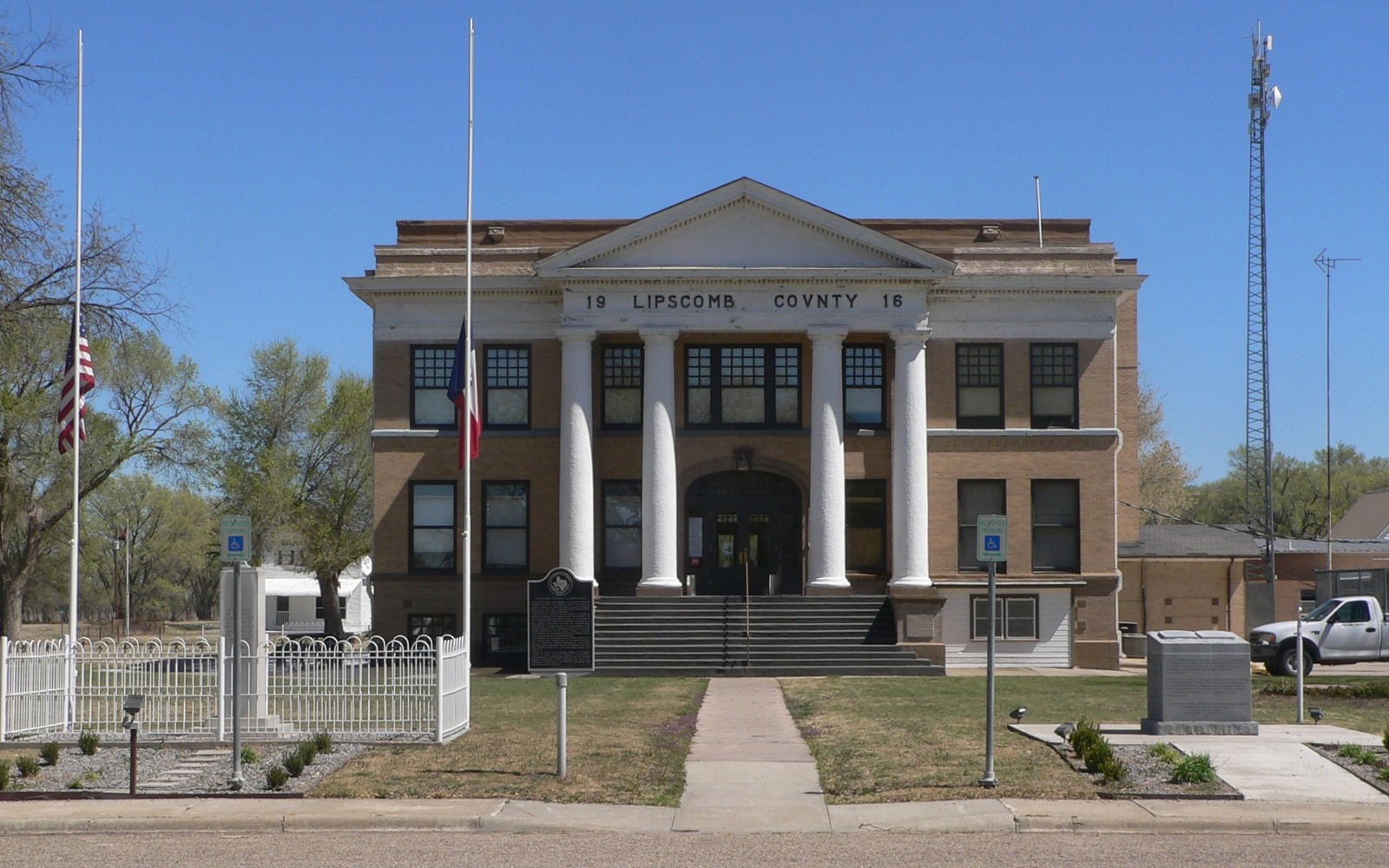
Being the county seat means deed and probate records for tracts near Lipscomb are usually well organized at the courthouse, which speeds up the title portion of a transaction compared to some other rural Panhandle areas.
As with the rest of Lipscomb County, wells here are gas-weighted, so your royalty income tracks natural gas pricing cycles closely, and that's the biggest factor in how the tract desk prices an offer today.
Because Lipscomb is the county seat, the tract desk can often pull deed, probate, and lease records more efficiently here than in outlying parts of the county, which shortens the title confirmation step.
Once title is confirmed, the tract desk builds the offer from trailing production, decline trend, and current gas pricing, same as any Anadarko Basin interest.
Every review begins with the county record, legal description, ownership fraction, lease position, producing status, wells, units, and paid decimal. Surface location can help find a tract, but it does not prove the mineral interest or participation in nearby development.
Formation, field, well vintages, spacing, operator acreage, offsets, permits, and development pace around a subject tract belong in separate evidence lanes. The property's own history carries more weight than activity that does not include the acreage.
Statements, division orders, unit records, volumes, prices, taxes, deductions, downtime, adjustments, burdens, and decimal changes should reconcile before current revenue or remaining production is projected for the tract.
The written purchase file should identify the right conveyed, county, legal description, fractions or acres, depths, products, wells, units, reservations, effective date, receivables, title standard, adjustment rights, funding, and recording sequence.
Texas owner file
Resolve these owner questions before a Texas mineral purchase is reduced to a single dollars-per-acre number.
It can help — record-keeping tends to be more complete, which often speeds up title confirmation.
Almost certainly gas-weighted, consistent with the rest of the Anadarko Basin footprint in this part of the Panhandle.
Send your division order or recent check stubs and the tract desk will begin pulling well data right away.
Generally yes, since Lipscomb is the county seat and where most records are filed and maintained.
It can extend productive life and boost near-term volumes, which the tract desk factors into the offer if it's happened or is likely on your well.
By wire transfer once title is confirmed and closing documents are recorded, the same process the tract desk uses everywhere.
The tract desk will check current Railroad Commission and operator records directly to see what's actually happening on the account.
Texas tract board
The same county record, lease position, and production history carry into these Texas property checks.
We buy Eagle Ford mineral and royalty interests around Los Fresnos, Webb County, underwritten against gas well production and current pricing.
Three Rivers sits in Live Oak County's Eagle Ford oil window. The tract desk underwrites off actual well decline data before making a direct cash offer.
Hackberry sits in Denton County near Lewisville Lake, within reach of Barnett Shale development. The tract desk underwrites interests here against real pooled-unit data.
Buy Mineral Rights Texas
Send the county, property description, producing status, operator or well name, and the documents already available.
Notifications