Sell Mineral Rights in Briar, TX
Underwriting Barnett Shale minerals near Briar, TX in western Tarrant County, where mature wells sit among low-density rural residential land.
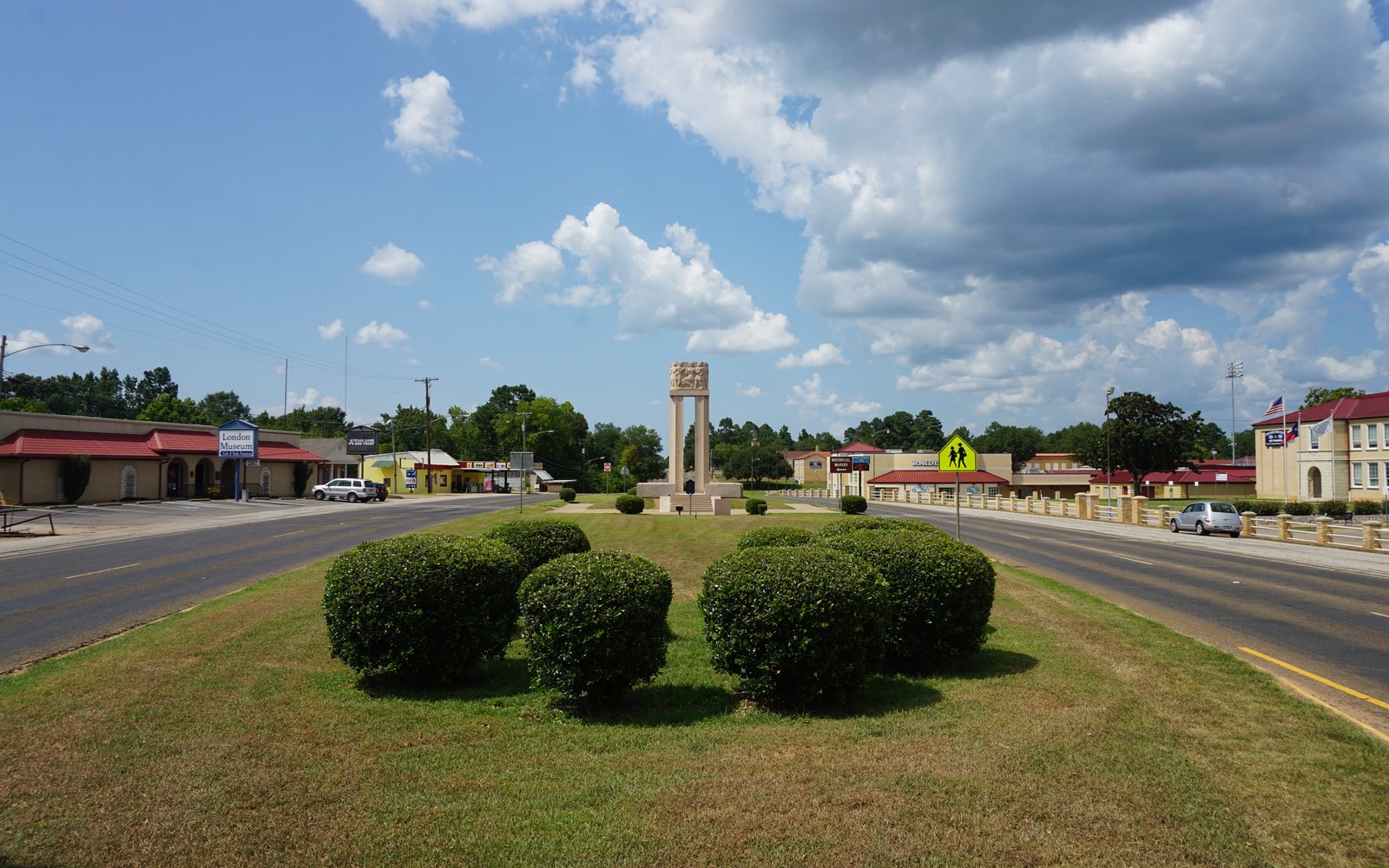
New London sits deep in Rusk County oil country, a place whose name is tied to one of the most significant chapters in Texas petroleum history.
Rusk County around New London has been producing oil and gas for close to a century, first from the massive East Texas Field discovery and more recently from deeper Haynesville shale gas development. That layered history means mineral ownership here can be genuinely complicated, with old family severances, multiple lease generations, and sometimes separate rights for different depths under the same surface acreage.
Before we quote anything on a New London-area tract, we pull the lease history and division orders to determine whether your interest covers shallow East Texas Field rights, deeper Haynesville rights, or both. Each has its own decline profile and gets valued separately.
Owners are often surprised to learn they hold rights in both categories, since decades of separate leasing and pooling activity can create that split without anyone explaining it clearly at the time.
One advantage of an area with this much production history is the depth of real data available. We're not projecting a Rusk County decline curve off limited information, we're reading decades of actual production on comparable wells and applying that to your specific tract. That depth of comparison lets us stand behind an offer with real confidence rather than hedging everything in broad ranges.
Every review begins with the county record, legal description, ownership fraction, lease position, producing status, wells, units, and paid decimal. Surface location can help find a tract, but it does not prove the mineral interest or participation in nearby development.
Formation, field, well vintages, spacing, operator acreage, offsets, permits, and development pace around a subject tract belong in separate evidence lanes. The property's own history carries more weight than activity that does not include the acreage.
Statements, division orders, unit records, volumes, prices, taxes, deductions, downtime, adjustments, burdens, and decimal changes should reconcile before current revenue or remaining production is projected for the tract.
The written purchase file should identify the right conveyed, county, legal description, fractions or acres, depths, products, wells, units, reservations, effective date, receivables, title standard, adjustment rights, funding, and recording sequence.
Texas owner file
Resolve these owner questions before a Texas mineral purchase is reduced to a single dollars-per-acre number.
It sits in the historic East Texas Field, one of the largest oil discoveries in U.S. history, which is part of why mineral ownership in the area is often layered across nearly a century of activity.
Yes, that's common in this area given how leasing and depth severance happened over different eras. We identify exactly what you own before pricing an offer.
Quite reliable. Decades of real production data on comparable wells gives us a strong basis for projecting your specific interest's remaining value.
Send whatever check stub, division order, or old lease paperwork you have. We can research Rusk County Clerk records to fill in the gaps and identify the well or wells your interest is tied to.
Texas tract board
The same county record, lease position, and production history carry into these Texas property checks.
Underwriting Barnett Shale minerals near Briar, TX in western Tarrant County, where mature wells sit among low-density rural residential land.
Zapata County minerals near Pueblo Nuevo sit in the Eagle Ford gas window near Falcon Lake. The tract desk underwrites these directly and explain the number, not only deliver it.
San Augustine sits in far East Texas Haynesville country near the Louisiana line. The tract desk underwrites these deep gas interests with the play's decline in mind.
Buy Mineral Rights Texas
Send the county, property description, producing status, operator or well name, and the documents already available.
Notifications