Sell Mineral Rights in McMullen County, TX
We buy mineral and royalty interests in McMullen County, TX, the historic core of the Eagle Ford. See how condensate-window decline gets priced before an offer.
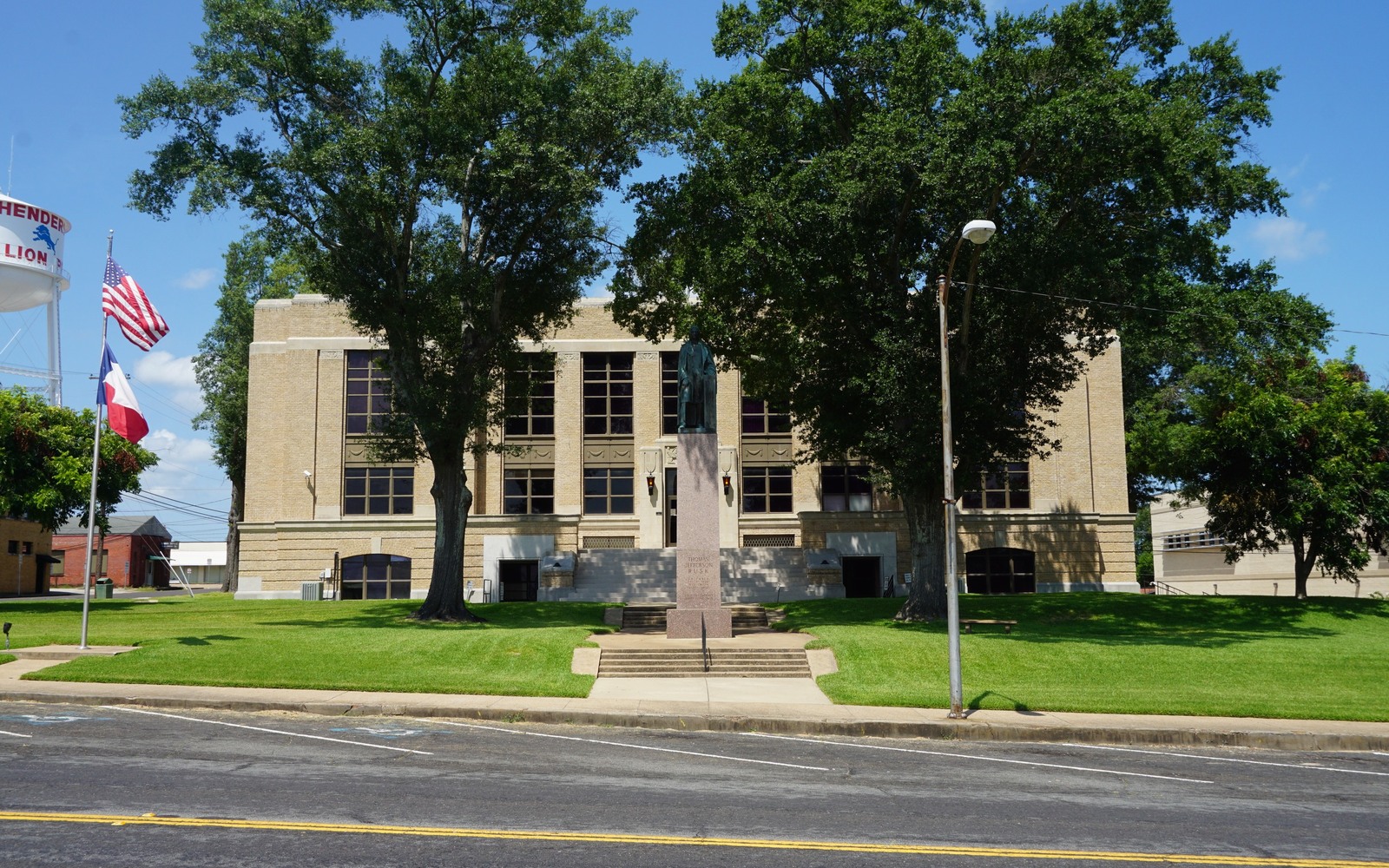
Rusk County, seated in Henderson, has one of the longest production histories in Texas, going back to the original East Texas Field discovery in the 1930s, with more recent Haynesville shale gas development layered on top of that legacy conventional production.
Few counties in Texas have production history as long and layered as Rusk County. That's both an advantage and a complication when the tract desk is underwriting an interest here -- an advantage because there's often decades of real data to work with, a complication because a single tract can have multiple generations of leases, wells, and unit designations stacked on top of each other.
The tract desk wants any Rusk County owner it works with to understand exactly what era of production their interest is actually tied to before we talk about a number, because a legacy East Texas Field well and a modern Haynesville well are priced very differently.
The historic East Texas Field produces oil from conventional, shallower reservoirs and has been in decline for decades, though many wells still produce small, steady volumes after nearly a century. Haynesville wells, by contrast, are deep dry-gas shale wells with a steep initial decline followed by a long flatter tail, and their value tracks gas pricing closely.
Before the tract desk builds an offer, it confirms through Railroad Commission records exactly which type of well, or wells, your interest is tied to. Some Rusk County tracts have both legacy oil production and newer Haynesville gas production under the same acreage, and the tract desk model each stream separately rather than blending them into one rough number.
Legacy East Texas Field wells, even at very low current volumes, often have decades of remaining production ahead of them given how slowly this field has historically declined. The tract desk does not dismiss a low monthly check on an old well as low value -- it looks at the long production history to understand the real trajectory.
Where Haynesville wells are present, the tract desk pay close attention to where the well sits on its decline curve, since these wells typically produce a large share of lifetime volume in the first year or two before flattening substantially. A check that's dropped sharply from an early peak is usually normal behavior, not a warning sign, and the tract desk prices the well off where it stands today weighed against current gas pricing.
Rusk County sits toward the western edge of the deepest Haynesville core, so the tract desk checks current permitting and completion activity nearby to understand whether your specific tract sits closer to the strongest part of the play or the flank, since that affects both current well performance and future development likelihood.
Given how long this county has been producing, mineral ownership here has often been split, inherited, and re-split across several generations of the same East Texas farm and timber families. It's common for the tract desk to work with an interest that traces through multiple wills and probates going back decades.
The tract desk handles that title research directly at the county clerk's office. If your family's ownership isn't cleanly documented, that's normal in a county with this much history, and it's not a reason to hold off reaching out -- the tract desk will tell you plainly what it finds and what it means for the offer.
A deed or division order, plus statements for whichever wells are currently producing under your interest. Given the layered history in this county, more documentation generally helps the tract desk builds a more precise offer, but it can start with whatever you have.
Closing timelines here run typically four to five weeks, sometimes longer if there are multiple wells or a complicated multi-generation title chain to confirm, which the tract desk will flag upfront rather than let surprise you partway through.
Texas owner file
Resolve these owner questions before a Texas mineral purchase is reduced to a single dollars-per-acre number.
The tract desk confirms this through Railroad Commission well records before underwriting, since the two are priced very differently -- legacy oil production behaves nothing like a modern Haynesville gas well.
Often yes. The historic East Texas Field has declined slowly over nearly a century, and many old wells still have meaningful remaining production ahead. The tract desk model that from the long-term trend rather than dismissing a low current check.
That's typical Haynesville behavior -- a large share of lifetime production comes early, then the well settles into a longer, flatter tail. The tract desk prices off where the well stands now, not the early peak.
Yes, that's common in Rusk County given the layered history. The tract desk checks for both legacy and modern production separately and model each stream on its own terms.
It can involve several generations of inheritance, but the tract desk runs that research directly through the county clerk's office at no cost to you, and it will tell you plainly what's involved before we finalize anything.
Texas tract board
The same county record, lease position, and production history carry into these Texas property checks.
We buy mineral and royalty interests in McMullen County, TX, the historic core of the Eagle Ford. See how condensate-window decline gets priced before an offer.
Tanquecitos South Acres II sits in Webb County's Eagle Ford territory. The tract desk underwrites each tract on its own merits, even within the same small community.
Mentone sits in Loving County, the heart of Delaware Basin development. We buy minerals directly and underwrite off actual Wolfcamp and Bone Spring well data.
Buy Mineral Rights Texas
Send the county, property description, producing status, operator or well name, and the documents already available.
Notifications