Sell Mineral Rights in La Salle County, TX
We buy La Salle County mineral and royalty interests in the Eagle Ford condensate and dry-gas window, underwritten well-by-well around Cotulla and Encinal.
DeWitt County, with Cuero as its seat, sits over some of the most consistently productive rock the Eagle Ford oil window has to offer, and that reputation is backed up by more than a decade of real production data at this point.
The tract desk underwrote a lot of Eagle Ford acreage over the years before it moved into buying mineral positions directly, and DeWitt County stood out early as one of the counties where well results tended to justify the attention operators gave it. The county sits in the oil window, and names like Petrohawk, Marathon, and Chesapeake were active here during the original 2010 to 2014 boom, drilling wells that in many cases outperformed acreage in neighboring counties.
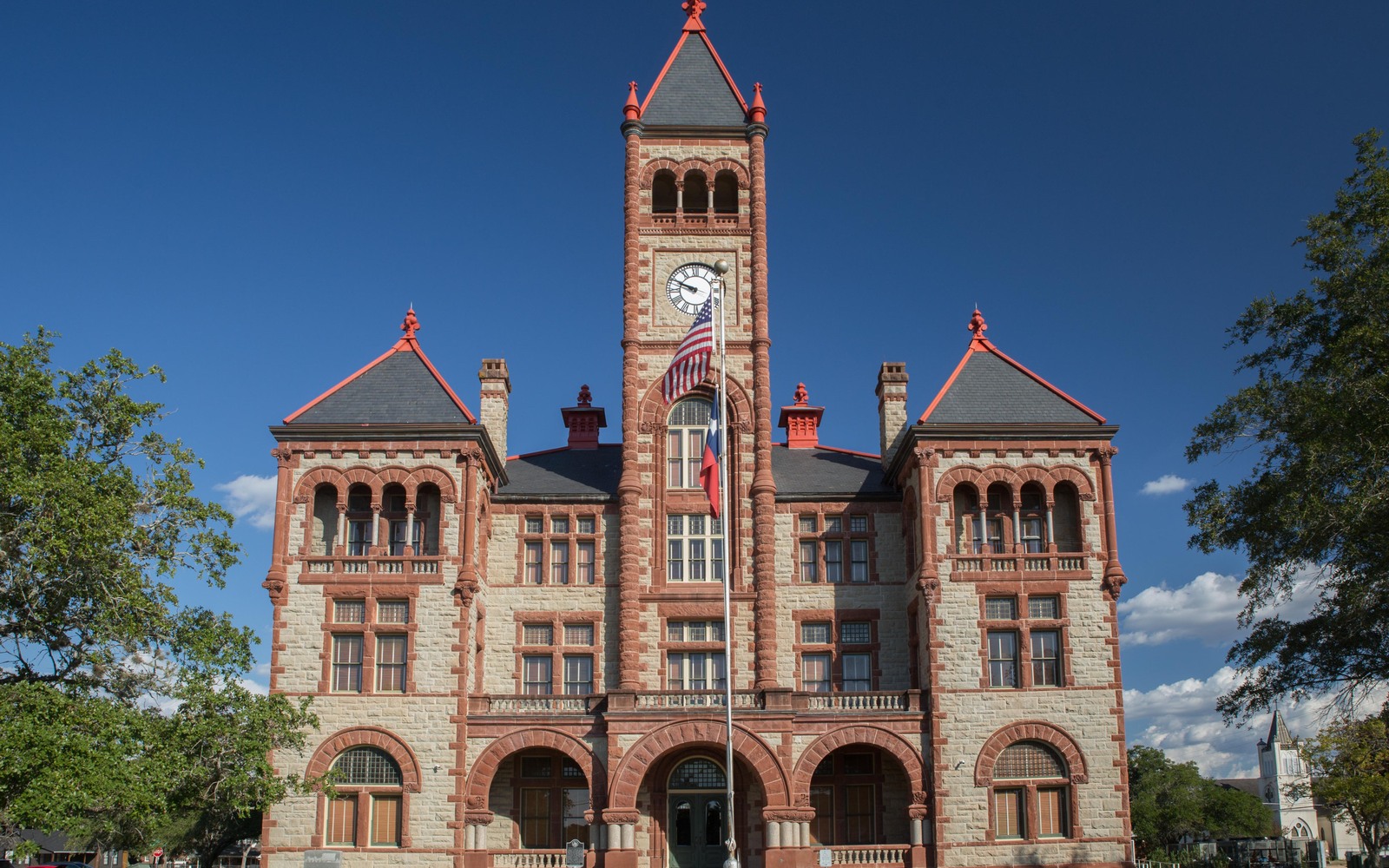
Cuero, the county seat, has been a hub for that activity, and the courthouse there holds the deed and lease records the tract desk relies on when it needs to trace ownership on a DeWitt County tract it haven't looked at before. Cheapside, Yorktown, Westhoff, and other smaller communities across the county sit over acreage with similarly strong development history.
That said, strong county-wide performance doesn't mean every single tract or well here is exceptional. The tract desk still looks at each specific well's production before quoting anything, because even within a good county, results vary based on exact location, completion design, and how many years the well has been producing.
DeWitt County sits in a favorable part of the Eagle Ford's oil window, where thickness, porosity, and pressure combined to give operators generally stronger initial production rates than in a lot of the surrounding counties. That advantage carried through into decline behavior as well, with many DeWitt County wells settling into productive long-term tails rather than falling off a cliff after the first year or two.
The tract desk has underwritten enough wells across this county to know that reputation is earned, but it still pull the actual Railroad Commission production history for every specific well before it put a number on a tract, since even strong counties have variation.
A significant share of DeWitt County's mineral ownership traces back to ranching and farming families who held land, sometimes for a century or more, before the Eagle Ford boom ever reached South Texas. Many of those families leased their minerals in the early 2010s and have since passed interests down through one or two generations, often splitting an original tract among several children or grandchildren.
The tract desk works through these multi-heir situations regularly, confirming the current chain of title through DeWitt County clerk records and helping families understand what documentation is needed, sometimes a simple affidavit of heirship, sometimes something more involved depending on how the original estate was handled.
If your family's minerals were severed from the surface separately, which is common in this part of Texas, that split doesn't complicate a sale. The tract desk just confirms exactly what was severed and when as part of reviewing title before closing.
Most DeWitt County wells have now been producing for well over ten years, meaning the tract desk has a long, detailed monthly production history to work with when building a decline projection. That maturity is genuinely useful, since the tract desk is not guessing at how a young well will behave, it is looking at years of actual performance and extending a well-established trend forward.
The tract desk also checks for any refracturing or infill drilling activity near your tract, since DeWitt County has seen some of that kind of second-phase development where operators believed the original well spacing left recoverable oil behind. A recent infill well nearby can meaningfully change the underwriting picture for an otherwise mature tract.
Whatever stage your specific well is at, the tract desk will walk you through exactly how it reads the production trend and how that translates into the offer it put together, rather than asking you to take the number on faith.
Texas owner file
Resolve these owner questions before a Texas mineral purchase is reduced to a single dollars-per-acre number.
Generally the rock quality here has produced favorable results compared to a lot of surrounding counties, though performance still varies by specific well and location. The tract desk checks the actual production data for your tract rather than relying on the county's overall reputation.
Yes. That's common for DeWitt County ranch families, and the tract desk works through the title process regularly, often using a straightforward affidavit of heirship to confirm current ownership before closing.
In stretches, yes, particularly when oil prices support second-phase development. The tract desk checks current Railroad Commission permits near your specific tract before quoting, since a nearby infill well changes the underwriting picture.
The tract desk looks at the full monthly production history to understand exactly how the decline has behaved, then extend that established trend forward rather than relying on the well's original headline numbers from its first year.
Texas tract board
The same county record, lease position, and production history carry into these Texas property checks.
We buy La Salle County mineral and royalty interests in the Eagle Ford condensate and dry-gas window, underwritten well-by-well around Cotulla and Encinal.
We buy mineral and royalty interests across Panola County, TX, a core Haynesville shale gas county. See how deep gas wells get underwritten before an offer.
Own Barnett Shale minerals under Fort Worth or the suburbs? The tract desk underwrites Tarrant County royalty interests county by county and give you a real number, fast.
Buy Mineral Rights Texas
Send the county, property description, producing status, operator or well name, and the documents already available.
Notifications